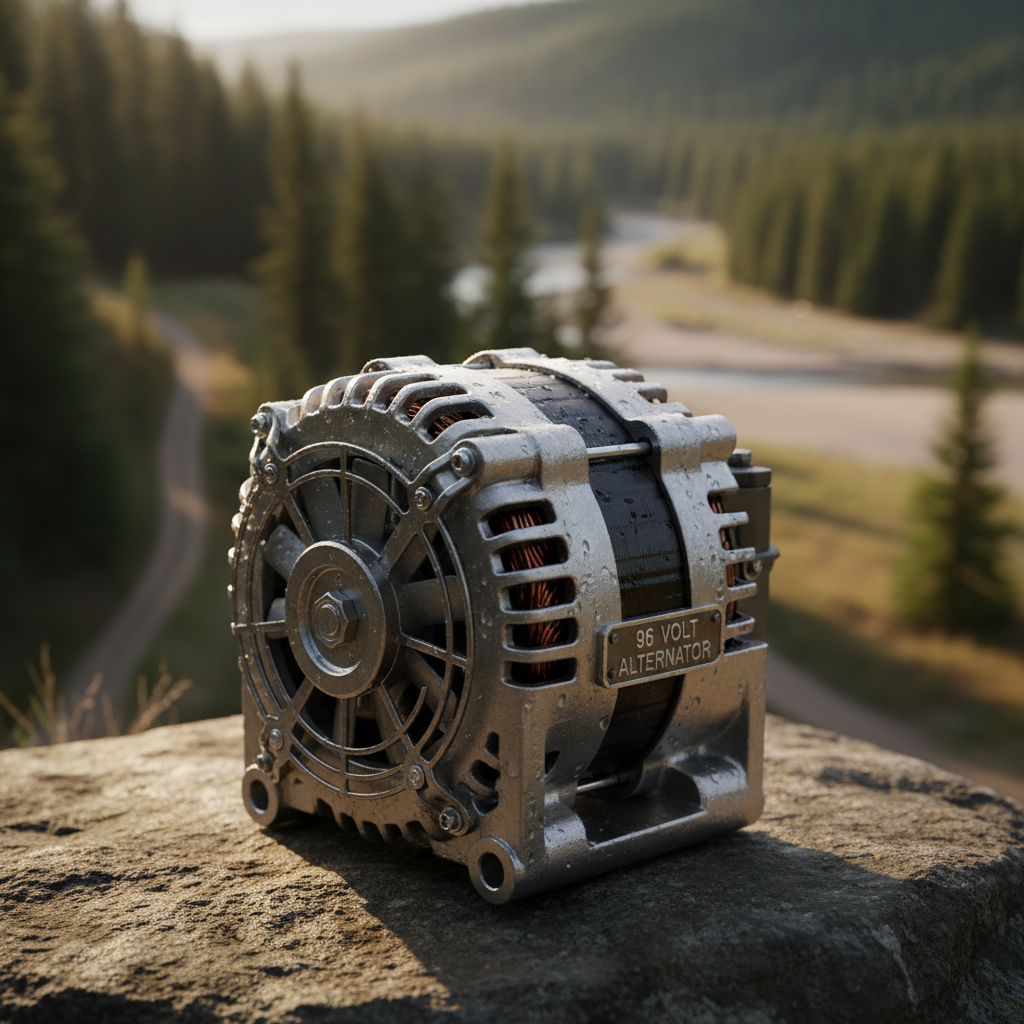
When evaluating the 5 kva alternator price single phase, it is essential to understand that the cost is not merely a purchase price but a reflection of the unit's power stability and construction quality. A 5 kVA single-phase alternator is designed to provide a reliable electrical output for small-to-medium loads, common in residential backups and light commercial equipment, where a steady current is critical for protecting sensitive electronics.
Many procurement managers and technicians struggle with the trade-off between low initial costs and long-term operational reliability. In the automotive and machinery sectors, a cheap alternator often leads to frequent downtime and higher maintenance costs, making the total cost of ownership (TCO) much higher than that of a premium-grade unit produced under strict quality control systems like ISO 9001.
This comprehensive guide analyzes the factors influencing the pricing of 5 kVA single-phase alternators, compares different technical specifications, and provides a procurement framework to help you select a unit that balances efficiency with budget constraints, ensuring a stable power heart for your vehicle or machinery.

1Understanding 5 kVA Single Phase Alternator Fundamentals

A 5 kVA single-phase alternator is an electromechanical device that converts mechanical energy from a prime mover, such as a diesel engine or a turbine, into electrical energy. The "5 kVA" rating indicates the apparent power capacity, meaning it can handle a maximum load of 5 kilovolt-amperes. For single-phase systems, this is typically utilized in environments where three-phase power is unavailable or unnecessary, such as small workshops or specialized vehicle power systems.
The internal architecture typically consists of a rotor and a stator, where electromagnetic induction generates the current. In the context of automotive and construction machinery, these alternators must be robust enough to handle vibrations and extreme temperature fluctuations while maintaining a consistent voltage output to prevent battery drain or electrical surges.
Understanding these basics is the first step in decoding the 5 kva alternator price single phase, as the complexity of the winding materials and the quality of the voltage regulator directly impact the final market cost.
2Core Technical Features Affecting Market Price
Several technical variables determine why some alternators are priced significantly higher than others. First, the quality of the copper used in the windings plays a massive role; high-purity oxygen-free copper reduces resistance and heat buildup, increasing efficiency and lifespan. Second, the type of Automatic Voltage Regulator (AVR) installed determines how well the unit handles load spikes without fluctuating the output voltage.
Furthermore, the insulation class of the alternator (such as Class H or F) affects its ability to operate in high-temperature environments. Higher insulation ratings allow the machine to run longer under full load without the risk of winding failure, which is a common pain point in industrial and engineering vehicle applications.
Lastly, the housing material and coating—whether it is standard paint or an anti-corrosive specialized coating—add to the cost but are essential for units deployed in humid or salty coastal environments.
3Common Application Scenarios and Load Requirements
The 5 kVA single-phase alternator is versatile, finding its way into various sectors including commercial vehicles, passenger cars, and small-scale construction machinery. In these settings, it often serves as the primary charging source for the battery and the power supply for auxiliary systems such as lighting, GPS, and cooling fans. Proper sizing is critical; underloading an alternator can lead to inefficiency, while overloading it leads to premature failure.
In engineering vehicles, such as those in the CONSTRUCTION MACHINERY SERIES, these units must operate under heavy-duty cycles. The demand for stable power is high because any drop in voltage can affect the performance of electronic control units (ECUs) and hydraulic sensors, potentially leading to operational errors or safety risks.
For specialized automotive needs, such as customized alternators for heavy trucks or modified passenger vehicles, the ability to customize the mounting brackets and pulley sizes becomes a key value-add that can influence the overall procurement price.
4Performance Metrics and Efficiency Analysis
Evaluating the performance of a 5 kVA alternator involves looking beyond the price tag and analyzing its efficiency curve. High-efficiency units maintain a stable output even when the engine is idling, which is crucial for vehicles that spend a significant amount of time in stop-and-go traffic or during stationary equipment operation.
Key metrics include the voltage regulation percentage and the thermal dissipation rate. A unit that can dissipate heat quickly allows for a more compact design and reduces the need for oversized cooling fans, which in turn reduces the mechanical load on the engine and improves fuel economy.
5 kva alternator price single phase Performance Metrics
As seen in the performance comparison, premium units typically show a higher reliability index and better energy efficiency compared to the industry average. While the initial investment is higher, the reduction in energy loss and the extended intervals between maintenance cycles provide a better return on investment (ROI) over the product's lifespan.
5Procurement Guide: Selecting the Right Vendor
When searching for a 5 kva alternator price single phase that offers the best value, procurement teams should evaluate the manufacturer's production capabilities. A professional manufacturer with decades of experience, such as one utilizing precision CNC machining and imported DV testing benches, is more likely to provide a product with consistent tolerances and verified performance.
Verification of certifications, such as ISO 9001, is non-negotiable for industrial applications. These certifications ensure that the factory follows a strict quality control system, including 100% factory testing and high-frequency sampling, which minimizes the risk of receiving defective units.
Additionally, consider the after-sales support. A vendor that offers a clear warranty (e.g., 6 months) and provides technical support throughout the product's lifecycle is far more valuable than a low-cost supplier with no post-purchase accountability.
6Industry Trends in Power Generation Technology
The alternator industry is currently shifting toward "intelligent" power solutions. Modern 5 kVA units are increasingly incorporating smart regulators that can adjust output based on real-time battery health and load demand. This prevents overcharging and extends the life of the vehicle's battery system, which is particularly important for the latest generation of hybrid and electric-assisted vehicles.
Another major trend is the drive toward low-carbon upgrades. Manufacturers are optimizing the weight of the alternator using advanced alloys and improving the aerodynamics of the internal cooling fans to reduce parasitic loss, thereby contributing to lower overall vehicle emissions.
As these technologies evolve, the pricing structure is changing. We are seeing a bifurcation in the market: a commodity segment for basic replacements and a value-added segment for high-performance, intelligent units that offer significant operational savings.
7Cost Comparison: Budget vs. Premium Solutions
To make an informed decision, it is helpful to compare budget-friendly alternators with premium industrial-grade solutions. Budget options are typically suitable for low-duty applications or temporary fixes, whereas premium units are designed for continuous, heavy-duty operation where downtime is costly.
The following table outlines the key differences in terms of materials, expected lifespan, and total cost of ownership, providing a clear view of where the additional investment in a premium 5 kVA alternator is justified.
| Comparison Factor | Budget Option | Premium Solution | Impact on TCO |
|---|---|---|---|
| Winding Material | Standard Aluminum/Mixed | High-Purity Copper | High Efficiency |
| Voltage Regulation | Basic Mechanical | Advanced Electronic AVR | Electronic Stability |
| Expected Lifespan | 12-24 Months | 48-72+ Months | Reduced Replacement |
| Testing Standard | Random Sampling | 100% Factory Tested | Zero-Defect Delivery |
| Bearing Quality | Standard Grade | Heavy-Duty Precision | Less Noise/Wear |
| Warranty Support | Limited/None | 6 Months + Technical Support | Risk Mitigation |
While the budget option may seem attractive due to a lower 5 kva alternator price single phase, the premium solution typically results in lower long-term costs due to fewer failures and higher energy efficiency. For enterprises operating fleets of vehicles or heavy machinery, the premium route is almost always the more economical choice.
Frequently Asked Questions
Conclusion
Selecting a 5 kVA single-phase alternator requires a balance between immediate cost and long-term operational stability. While a lower 5 kva alternator price single phase may be tempting, the risks of unstable power generation and frequent replacements often outweigh the initial savings. By focusing on technical specifications such as copper purity, AVR quality, and certified manufacturing processes, you can ensure your equipment receives a stable power heart that reduces operating costs and maximizes uptime.
For procurement professionals and technicians seeking reliable, high-performance power solutions tailored to automotive or construction machinery needs, exploring a vendor with a proven track record of quality control and technical expertise is the best path forward. You can review a wide range of available product specifications and solutions at www.jltalternator.com to find the perfect fit for your specific application.