



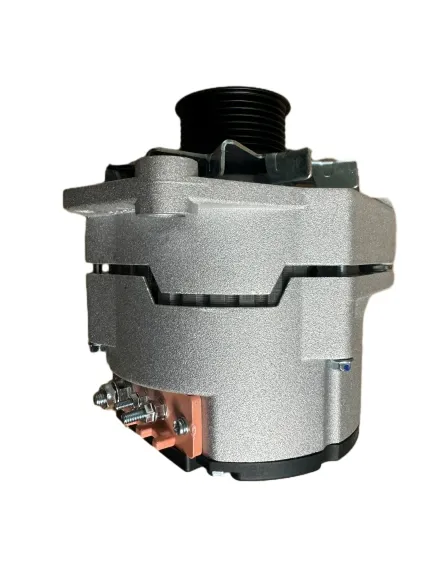
14 Volt Alternator – 140A 1-Wire High Output
A Field Note on the 14-Volt Alternator: Real-World Specs, Vendors, and What’s Changing
If you’re hunting for a dependable 14 volt alternator, you’ve probably noticed two things: the market is crowded, and the specs don’t always tell the whole story. In fact, light-duty vehicles still lean on 12V systems regulated around 14.0–14.7 V, while heavy-duty trucks and off-road gear run 24V systems with ≈28V charging. That’s why I like looking at vendors who can do both—because fleets are mixed, and downtime is expensive.
Industry Snapshot
The trend is clear: higher efficiency rectifiers, smarter internal regulators, and better thermal paths. Some automakers flirt with 48V mild-hybrid add-ons, yet the humble 14 volt alternator remains the backbone for classic 12V architectures. On the commercial side, 28V units dominate, especially for engines like the Wei Chai 615 series—more on that below.
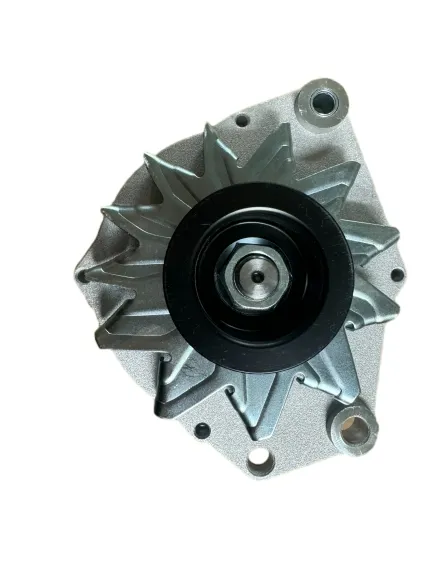
Example Product: Alternator 612600090248 for Wei Chai
Origin: No. 9 Shuguang Road, Economic Development Zone, Hejian City, Hebei Province. This is a 28V unit (for 24V systems), but it comes from a supplier that also builds robust 14 volt alternator lines, which matters when you’re standardizing across a fleet.
| Parameter | Spec (real-world may vary) |
|---|---|
| Product Name | Alternator 612600090248 For Wei Chai |
| OEM / Part No. | 612600090248 |
| Voltage / Current | 28V, 70A |
| Pulley | 8PK multi-rib |
| Application | Wei Chai 615 series |
| Typical Setpoint | ≈27.6–28.8 V @ 25°C |
Materials, Process, and Testing
Build typically includes high-copper stator windings, slip rings with wear-resistant plating, and high-temp diodes. Methods: vacuum impregnation of windings, precision rotor balancing, and end-of-line regulator calibration. Tests reference SAE J180 (alternator/regulator performance), ISO 16750 (environmental/electrical loads), ISO 7637-2 (transients), and ECE R10 for EMC. Bench data I’ve seen: ripple often ≤100–150 mV RMS at mid-load; thermal endurance checked up to ≈120–125°C housing temps. Service life? Many customers report 100k+ miles on 14 volt alternator units when belts and batteries are maintained.
Where It’s Used
- Passenger cars and light vans (12V systems with a 14 volt alternator).
- Heavy-duty trucks, construction, ag equipment (24V with 28V charge).
- Marine auxiliaries and genset applications (with corrosion-resistant coatings).
Vendor Comparison (at a glance)
| Vendor | Voltage Options | Output Range | Certs (typ.) | Customization |
|---|---|---|---|---|
| JLT Alternator (Hejian, Hebei) | 14V, 28V | ≈70–180A | ISO/TS; ECE R10 (model-dependent) | Pulley, clocking, setpoint; lead time ≈2–4 wks |
| Bosch | 14V, 28V | ≈90–220A | Global OEM standards | Wide, OEM-grade options |
| Delco Remy | 14V, 28V | ≈100–300A | Heavy-duty focused | HD specials; remote sense options |
Customization & Field Notes
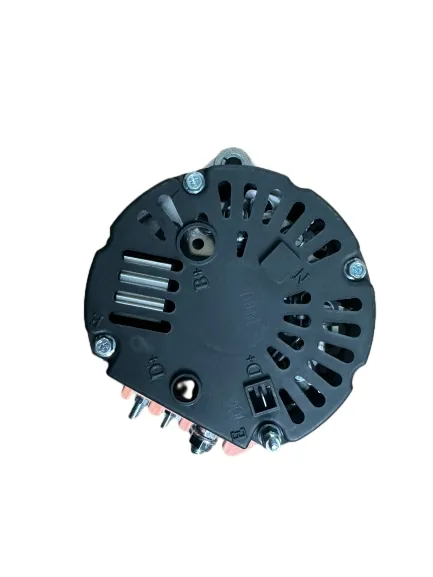
What matters in practice? Pulley (6PK/8PK, overrunning clutch), regulator setpoint (e.g., 14.4V vs. 14.7V for AGM), mounting “clock” positions, and connector style. Fleet techs tell me a well-matched 14 volt alternator with remote sense can stabilize charge by a few tenths of a volt—enough to keep AGM batteries happier in winter. Corrosion-resistant hardware and sealed bearings are worth it if you’re in coastal or mining sites.
Case Briefs
- Municipal vans: Swapping to higher-output 14 volt alternator units cut low-voltage DTCs during idle-with-load duty (light bars, inverters).
- Wei Chai 615 equipment: 28V/70A spec satisfies ECU + hydraulic fan loads; fewer belt squeals after moving to 8PK pulley.
References
- SAE J180 — Alternators with Regulators — Performance and Test Requirements. SAE International.
- ISO 16750-2 — Road vehicles — Environmental conditions and testing for electrical and electronic equipment — Part 2: Electrical loads. ISO.
- ISO 7637-2 — Road vehicles — Electrical disturbances from conduction and coupling — Part 2. ISO.
- UNECE Regulation No. 10 (ECE R10) — Electromagnetic compatibility. United Nations.