



300 Amp Alternator for Sale — High Output, Single Wire?
Looking for a 300A alternator? Read this before you buy
If you’re hunting for a 300 amp alternator for sale, here’s the insider angle: many “300A” units are glorified stock builds, while others are proper heavy-duty, hairpin-wound machines that actually hold current at idle and survive heat. I’ve spent enough hours around test benches to know the difference. Interestingly, the team in Hejian, Hebei (No. 9 Shuguang Road, Economic Development Zone) sells the Alternator G3220-3701100A for XiChai—rated 24V, 90A—but also supports custom heavy-output builds in the same ecosystem. More on that below.
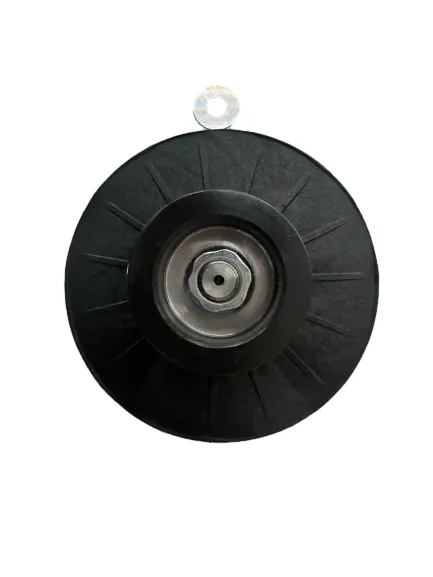
What’s trending in high-output alternators
The market’s drifting toward higher output at idle (for PTO, fleet idling, and big audio), better thermal paths, and smarter regulators (LIN/BSS control, temp compensation). In fact, robust 300A units now use heavy copper hairpin stators, press-fit diodes on finned heat sinks, and oversized bearings. It seems obvious, but many customers say the real-world difference is whether it still charges at night with A/C, lights, and a winch going. That’s the bar.
Specs at a glance
| Model | Voltage | Rated Current | Pulley | Application | Notes |
|---|---|---|---|---|---|
| G3220-3701100A (XiChai) | 24V | 90A | 2B 76 | XiChai 6DF2 / 6DF2D / 6DF2E | OEM ref: G3220-3701100A |
| Custom 300A Build (example) | 12V or 24V | ≈300A (real-world may vary) | V-groove, multi-groove, or decoupler | Fleet, marine, emergency, off-road | Hairpin stator, HD rectifier, idle-optimized |
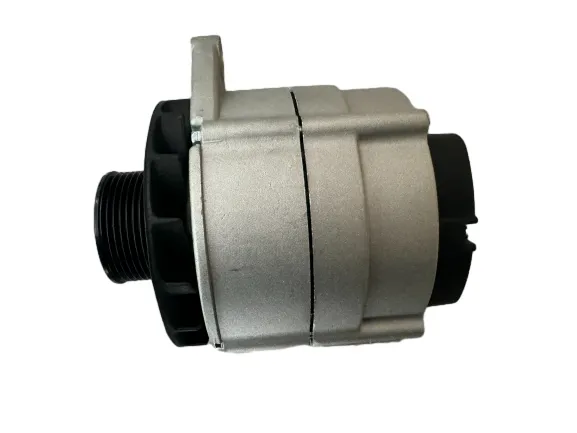
Materials, methods, and testing (the real QA stuff)
Materials: high-copper windings, epoxy-impregnated stators, press-fit avalanche diodes, quality bearings (often SKF/NSK class), and balanced rotors. Methods: CNC-machined housings, varnish bake, dynamic balancing, and end-of-line dyno validation. Testing: ripple and load per SAE practices; thermal soak cycling (ISO 16750-4 style); vibration sweeps; salt-fog for brackets/fasteners (ASTM B117, where applicable).
Field data (typical for a good 300A): ≈180–220A at fast idle (engine 900–1100 rpm), ≤2–3% RMS ripple at rated voltage, rectifier case temp held below 130–150°C under sustained 70% load with forced airflow. Service life? Around 6,000–10,000 hours in fleet duty if belts and airflow are right. To be honest, airflow is everything.
Where a 300A alternator makes sense
- Emergency and utility trucks with PTO hydraulics
- Mobile welding rigs and off-road recovery builds
- Marine house banks, bow thrusters (24V systems love amperage)
- Outside broadcast vans, surveillance, big audio
- Construction equipment and ag machinery with continuous loads
Vendors compared (my quick take)
| Vendor | Customization | Lead Time | Testing/Standards | After-sales |
|---|---|---|---|---|
| JLT Alternator (Hejian, Hebei) | Mounts, pulleys, regulators, 12/24V up to ≈300A | Around 2–5 weeks (varies) | Can test to ISO 16750 / SAE J1455 guidelines | Direct tech support; parts readily available |
| Vendor B (global) | Good, but preset SKUs | 3–8 weeks | Internal spec, selective third-party | Regional centers |
| Vendor C (boutique) | Excellent custom fab | 4–10 weeks | Per-project validation | White-glove, higher cost |
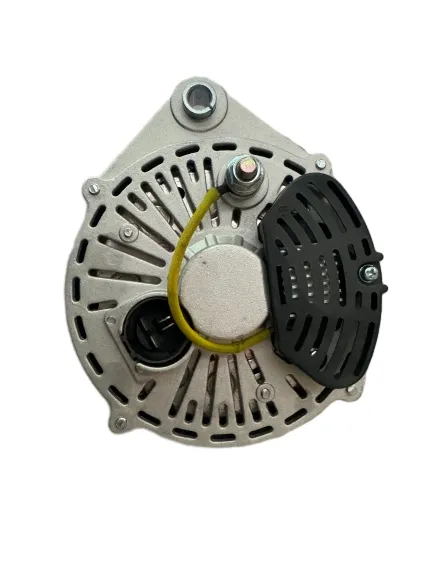
Case notes and customer feedback
Case 1: A municipal fire truck went 12V/300A with an idle-boost pulley and temp-sensing regulator; voltage stayed ≥13.9V at scene with lights and pumps. “Surprisingly calm on the heat,” the fleet chief told me.
Case 2: XiChai 6DF2D with the G3220-3701100A (24V/90A) for a construction crane—stock rating, but it passed ripple and temperature checks after a long-day duty cycle. The owner liked the pulley match and quick swap.
Customization checklist
Mount pattern, pulley type (2B 76, multi-groove, decoupler), regulator interface (self-excite, LIN), voltage (12/24V), and cooling path. Confirm against SAE J56 performance methods and environmental envelopes from ISO 16750. Then, yes—ask for bench curves, not just max amps. If you need a 300 amp alternator for sale that actually holds output, insist on dyno data.
Citations
- SAE J56: Alternating Current Generators for Passenger Cars and Light Trucks (rating and performance methods).
- SAE J1455: Recommended Environmental Practices for Electronic Equipment Design in Heavy-Duty Vehicles.
- ISO 16750-2/-4: Road vehicles — Environmental conditions and testing for electrical/electronic equipment.
- IEC 60068-2 series: Environmental testing (vibration, thermal, etc.).
- ASTM B117: Standard Practice for Operating Salt Spray (Fog) Apparatus.