



5.3 Vortec Alternator Amp Guide | Output, Upgrades & Specs
Real-World Guide to 5.3 Vortec Alternator Amp Output, Specs, and Upgrades
If you’ve ever wondered why your lights dim at idle with the A/C, winch, and a bass-heavy playlist, you’re really asking about alternator amps. On 5.3 Vortec trucks, factory alternators typically came in 105A, 130A, 145A, and later 160–170A variants. But the story doesn’t stop with one platform. Heavy-duty diesel gear, like YuChai-powered equipment, plays by similar rules—just scaled for 24/28V systems. Different worlds, same physics.
Industry trend check
There’s a quiet arms race: more hotel loads, LED light bars, plows, inverters, telematics. Automakers answer with higher-amp units, smart regulators, and better idle output. In heavy equipment, 28V/55A is a common sweet spot for stable power to ECUs and pumps; in half-ton trucks, 12V/145A+ keeps the accessories happy. Honestly, the needs are converging.
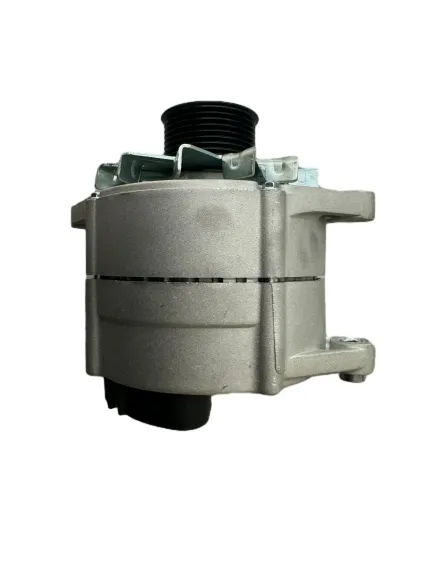
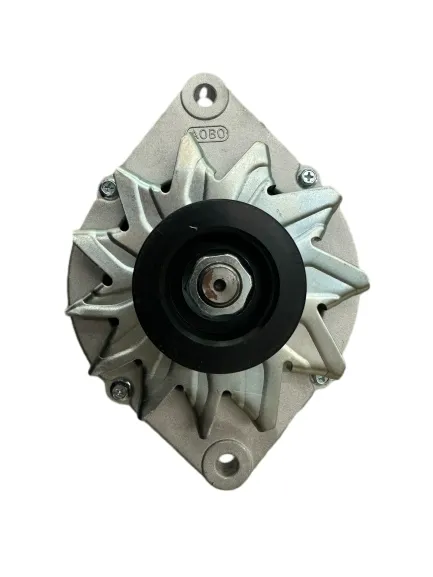
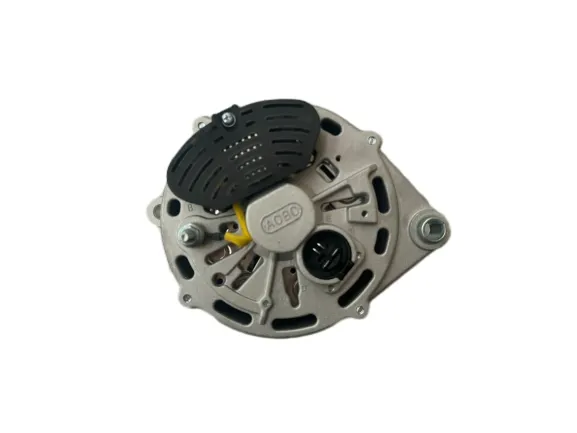
Featured spec: Alternator G0103-3701100;D0801-3701100 for YuChai
Made in Hejian City, Hebei (No. 9 Shuguang Road, Economic Development Zone), this unit is a tidy 28V workhorse. It’s not a drop-in for a Silverado—different voltage—but it’s a useful benchmark for quality and test discipline that, frankly, the truck crowd should appreciate.
| Parameter | Spec (≈ real-world) |
|---|---|
| OEM | G0103-3701100; D0801-3701100 |
| Voltage / Current | 28V / 55A |
| Pulley | 8PK 102; 8PK 71 |
| Applications | YuChai 4112ZQ; 6018ZLQB; 4108; 6108; 4D; 4E |
| Construction | Copper windings, silicone rectifier diodes, sealed bearings |
| Service life | ≈3,000–6,000 engine hours (usage dependent) |
How that maps to a 5.3 Vortec Alternator Amp conversation
- Stock ratings: ≈105–145A (’99–’06 era), 160–170A on later/tow packages.
- Idle output matters: many customers say the upgrade feels bigger at stoplights than on the highway.
- Loads to count: dual batteries, winch (300–400A spikes), audio (60–150A), plow hydraulics, big cooling fans.
Rule of thumb I use: target 30% headroom over your continuous draw. If your gear averages 110A, a 150–170A alternator keeps voltage steady without cooking the diodes.
Process, testing, and standards (what separates good from noisy)
Materials: copper stator with solventless varnish; hardened slip rings; low-ESR rectifier. Methods: CNC pulley machining, rotor balance to ≈G6.3, regulator burn-in. Tests: ISO 8854 output curves, thermal soak to 125°C stator, vibration per SAE J1455. Salt-spray per ASTM B117 is often used for housings. Certifications commonly seen: ISO 9001 and IATF 16949.
Bench snapshot (example, 28V unit): 1,800 alt-RPM cut-in; 54–58A at 6,000 alt-RPM; ripple ≈50–80 mV p‑p. Real-world use may vary with belt tension and under-hood temps.
Vendor snapshot (for shoppers comparing)
| Vendor | Typical Amps | Notes |
|---|---|---|
| JLT (YuChai spec shown) | 28V/55A (this model) | Heavy-equipment focus; robust diode packs; customization on pulley/clocking. |
| ACDelco (GM OE) | 12V/145–170A for 5.3 | Factory-fit, good idle output, warranty network. |
| Remy/Aftermarket HD | 12V/160–240A | High-amp options; ensure pulley alignment and larger charge wire. |
Customization and integration
For the YuChai unit: choose 8PK 102 or 8PK 71 pulleys, clocking position to suit harness, optional over-running pulley to tame belt flutter. For a 5.3 Vortec Alternator Amp upgrade: pair a 160–240A unit with 2–4 AWG charge cable, 250A fuse, and a clean engine-to-chassis ground. To be honest, the wiring upgrade is half the win.
Mini case notes
- ’05 Silverado 5.3: moved from 130A to 170A; voltage drop at idle with dual fans disappeared, audio whine gone.
- Quarry loader (YuChai 6108): 28V/55A unit stabilized telematics supply; reports of fewer CAN faults after heat-soak shifts.
User feedback, briefly
It seems that most customers notice “quieter” electrical behavior first—no flicker, steadier steering effort at low RPM. Surprisingly, many say the cabin fan sounds stronger after the upgrade; that’s just voltage doing its thing.
Where it fits, industry-wise
Trucks, ag machinery, construction, marine auxiliaries—any duty cycle with long idles and bursts of load. The principles behind a 5.3 Vortec Alternator Amp upgrade translate cleanly to fleets and off-road rigs alike.
Authoritative references
- ISO 8854: Road vehicles — Alternators with regulators — Test methods and general requirements.
- SAE J1455: Recommended environmental practices for electronic equipment in heavy-duty vehicles.
- GM Service Information (ACDelco TSBs): Charging system diagnostics and output specifications for 4.8/5.3/6.0L trucks.
- ASTM B117: Standard Practice for Operating Salt Spray (Fog) Apparatus.