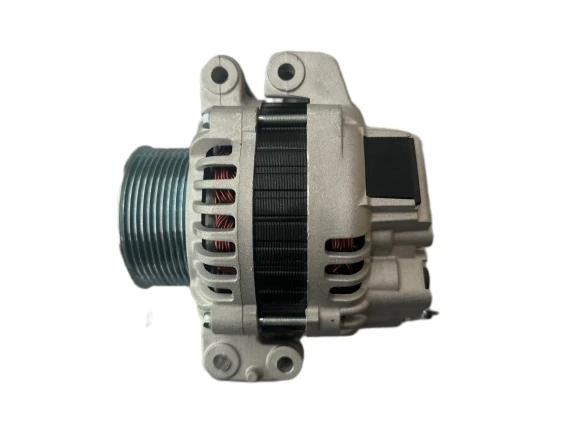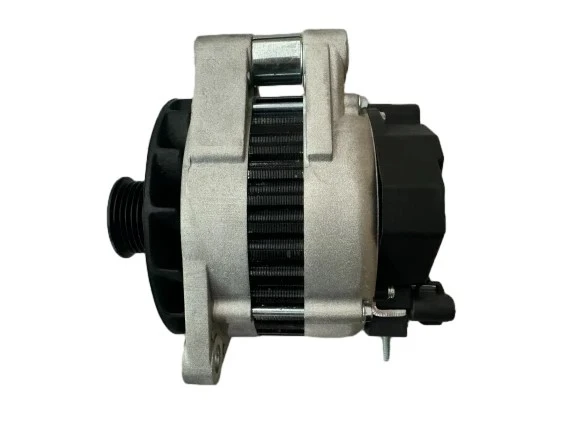
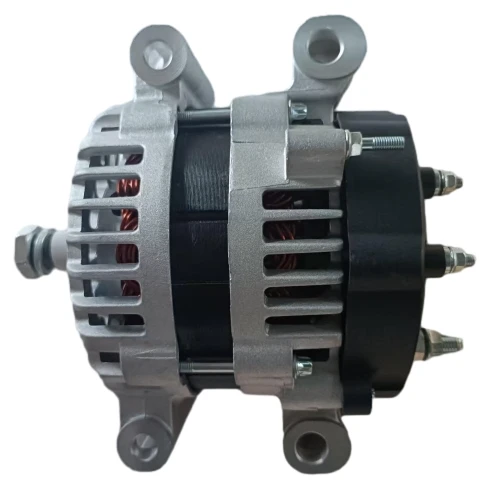

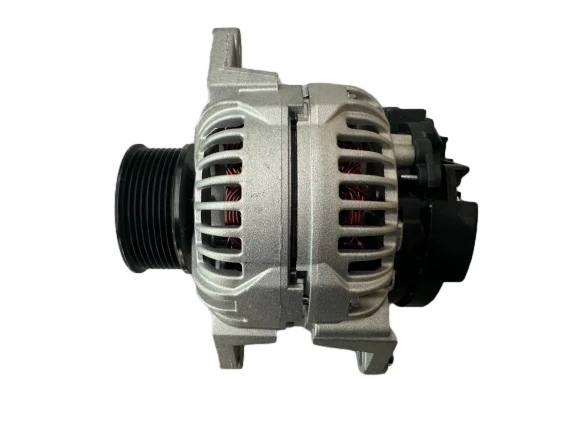
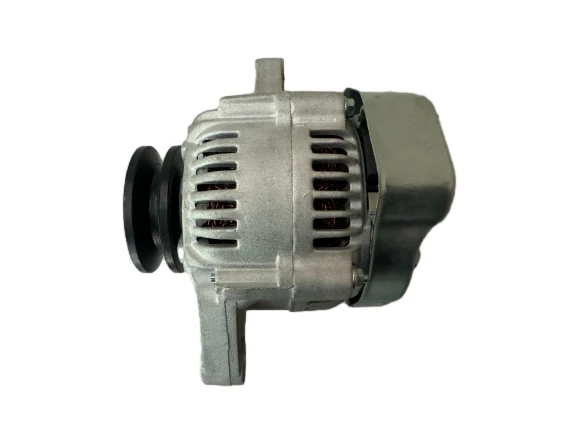
Advanced High Output Alternator Solutions for Philippines

Engineered for resilience in tropical climates, ensuring uninterrupted power for the diverse automotive landscape of the Philippines.

Advanced High Output Alternator Solutions for Philippines

Providing heavy-duty electrical power systems designed to withstand high humidity and extreme road conditions across the Philippine archipelago.

Current State of Charging Systems in the Philippines

Analyzing the impact of geography and climate on vehicle electrical components.

The automotive sector in the Philippines faces unique challenges due to its tropical maritime climate. High humidity and saltwater air lead to accelerated corrosion of automotive alternator components, requiring specialized coatings and higher durability standards for long-term reliability.

Urban congestion in Metro Manila and Cebu causes frequent stop-and-go traffic, which puts immense thermal stress on charging systems. This environment increases the demand for auto alternators that can maintain stable voltage output even at low engine RPMs during idling in extreme heat.

Furthermore, the logistics backbone of the islands relies heavily on modified diesel fleets. There is a growing trend toward upgrading standard units to more robust systems to support additional cooling fans and electronic accessories essential for regional transport.
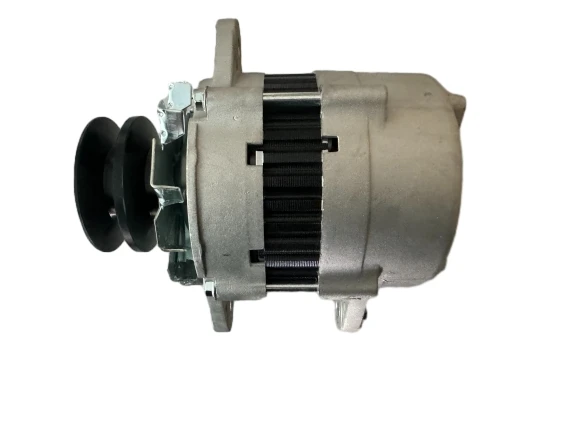
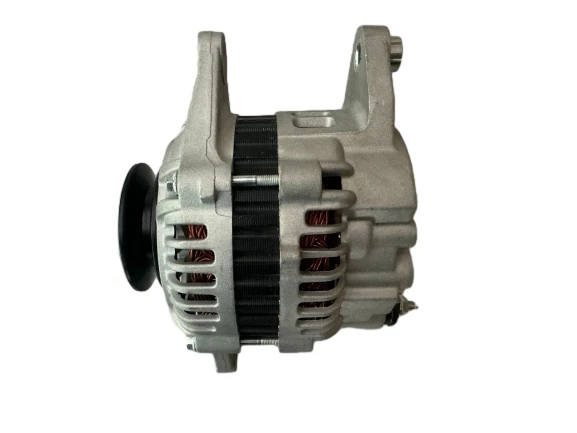
Evolution and Trajectory of Alternator Technology

From basic charging to intelligent power management.

Market Development History

From 1990 to 2005, the Philippine market was dominated by traditional mechanical regulators. These early auto alternators were prone to overheating in the local climate, often requiring frequent manual adjustments to prevent battery overcharging.

Between 2006 and 2015, the shift toward Integrated Circuit (IC) regulators revolutionized the industry. The introduction of more efficient diesel alternator units allowed for better compatibility with the rising number of imported diesel-powered commercial vehicles and utility trucks.

From 2016 to the present, the focus has shifted to "Smart Charging." The adoption of electronic control units (ECUs) now manages the alternator's output based on real-time battery needs, significantly improving fuel efficiency for transport operators across the provinces.

Future Development Trends

Eco-Efficient Power Conversion

Integration of lightweight materials to reduce parasitic loss, aligning with global emissions standards being adopted by the Philippine Department of Environment and Natural Resources.

Voltage Stability for EVs/Hybrids

Development of DC-DC converters and specialized alternators to support the growing hybrid vehicle fleet in major Philippine urban centers.

Heat-Resistant Polymer Insulation

Implementation of advanced thermal shielding to prevent winding failure during the peak summer months in Southeast Asia.

Industry Trends and Future Outlook

Strategic forecasting for the Philippines' automotive electrical market.

High-Current Demand
Rising use of auxiliary electronics in commercial fleets necessitates the adoption of high output alternator units.
Heavy-Duty Logistics
Expanding infrastructure projects in Luzon and Visayas drive the need for specialized semi truck alternator systems.
Diesel Engine Optimization
Modernizing agriculture and construction machinery with high-efficiency diesel alternator technology.
Smart Diagnostics
Integration of IoT sensors into alternators for predictive maintenance in fleet management.

Industry Outlook

Based on Google search trends for automotive parts in Southeast Asia, there is a significant increase in queries for "heavy duty charging systems," suggesting a shift towards professional-grade replacements over generic parts in the Philippines.

The next 3-5 years will likely see a convergence of high-amperage output and energy-saving technology, as fleet owners seek to reduce operational costs while increasing vehicle uptime in challenging terrains.

Localized Application Scenarios in the Philippines

Real-world deployments across various Philippine industries.

1. Metro Manila Public Transport (Jeepneys)

Upgrading traditional Jeepneys with high-efficiency alternators to support modern lighting, sound systems, and ventilation for passenger comfort during heavy traffic.

2. Visayas Inter-Island Logistics

Utilizing corrosion-resistant semi truck alternator units for vehicles transporting goods across ports where salty air is prevalent.

3. Mindanao Agricultural Machinery

Installing heavy-duty diesel alternator systems in tractors and harvesters to ensure reliable starting in remote farming areas.

4. Provincial Long-Haul Trucking

Implementing high output alternator upgrades for trucks traveling the Maharlika Highway to power long-range communication and GPS equipment.

5. Specialized Emergency Response Vehicles

Providing high-stability charging solutions for ambulances and fire trucks that require constant power for life-saving medical electronics.

Brand Story

Global Development History of Hebei JLT Automotive Parts Co., Ltd.

Industrial Foundation

Established with a focus on precision engineering, we began by solving the most common failure points in standard alternator design.

Technological Breakthrough

Developed advanced winding techniques that increased thermal efficiency, specifically targeting high-temperature environments.

Global Market Expansion

Expanded our footprint into Southeast Asia, tailoring our products to meet the rigorous demands of the Philippine and Thai markets.

Quality Certification

Achieved international quality standards, ensuring every unit produced meets global benchmarks for durability and electrical output.

Future Vision

Dedicated to pioneering the next generation of smart charging systems to support the global transition toward greener transport.

Comprehensive Charging Portfolio for the Philippines

Our full range of high-performance electrical solutions tailored for local vehicle fleets.

Frequently Asked Questions - Philippines Market

Expert answers to common queries about automotive charging systems.

How to choose the best high output alternator for a modified Jeepney?

You should calculate the total amperage of all added accessories (lights, audio, fans) and choose a unit that provides at least 20% more capacity than your peak load to ensure battery longevity.

What causes automotive alternator failure in the Philippine climate?

The primary causes are extreme humidity leading to internal corrosion and high ambient temperatures causing the regulator to overheat during city traffic congestion.

Can a diesel alternator be used in a gasoline engine?

Generally, no. Diesel alternators are designed for different pulley speeds and electrical loads specific to diesel engine cycles. Always use a unit specifically matched to your engine type.

Which semi truck alternator is best for long-haul routes in Luzon?

We recommend heavy-duty units with reinforced bearings and enhanced heat dissipation fins to handle the extended operating hours of long-distance hauling.

How often should I inspect my auto alternators in tropical regions?

Due to high humidity and dust, we recommend a visual inspection of the belt tension and cleaning of the terminals every 6 months to prevent premature failure.

Are high output alternators compatible with standard batteries?

Yes, provided the voltage regulator is correctly calibrated. High output units provide more current (Amps), not higher voltage, making them safe for standard batteries.

Get Expert Power Solutions Today

Our technical team is ready to provide customized charging system consultations for businesses across the Philippines.

Contact Us Now

If you are interested in our products, you can choose to leave your information here, and we will be in touch with you shortly.