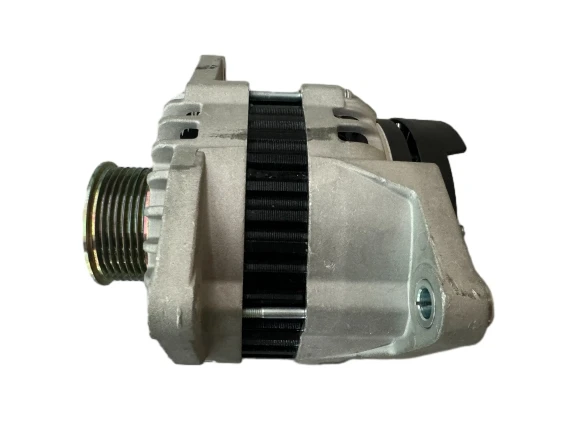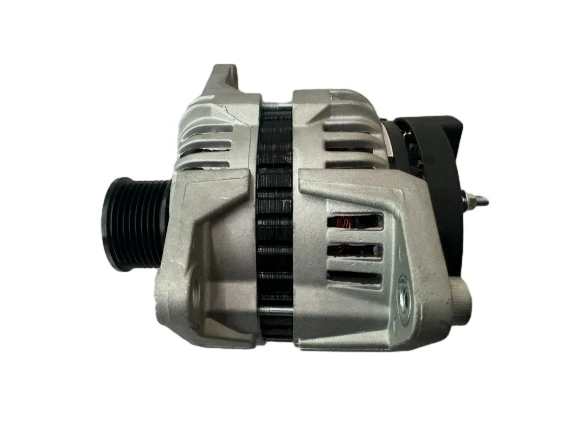
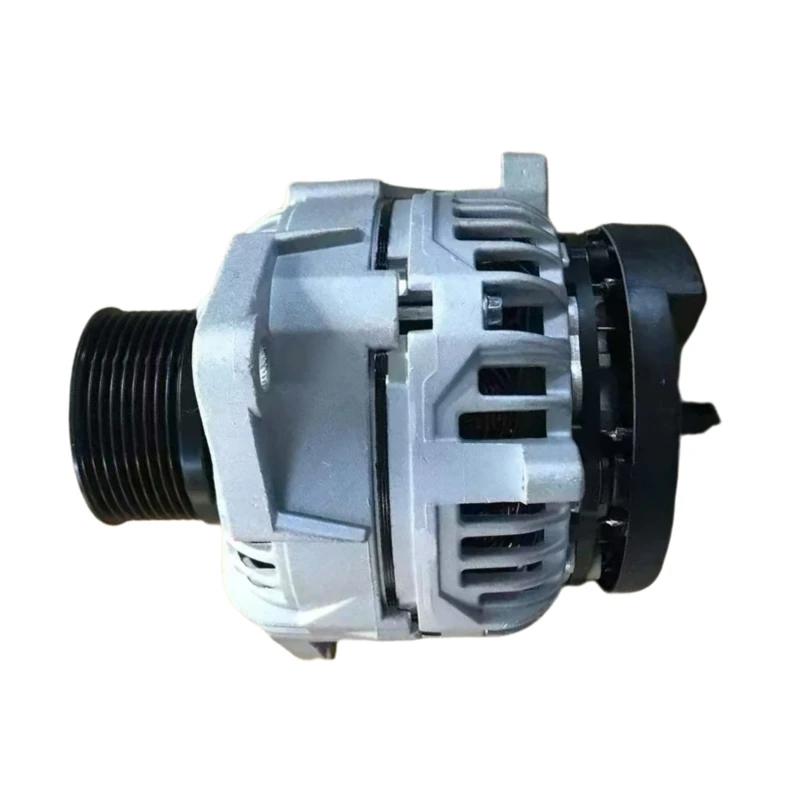
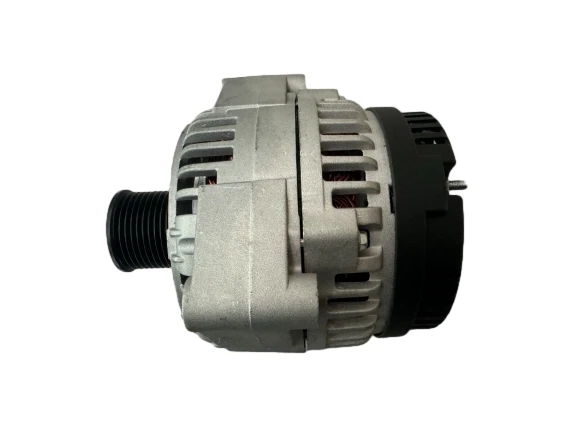
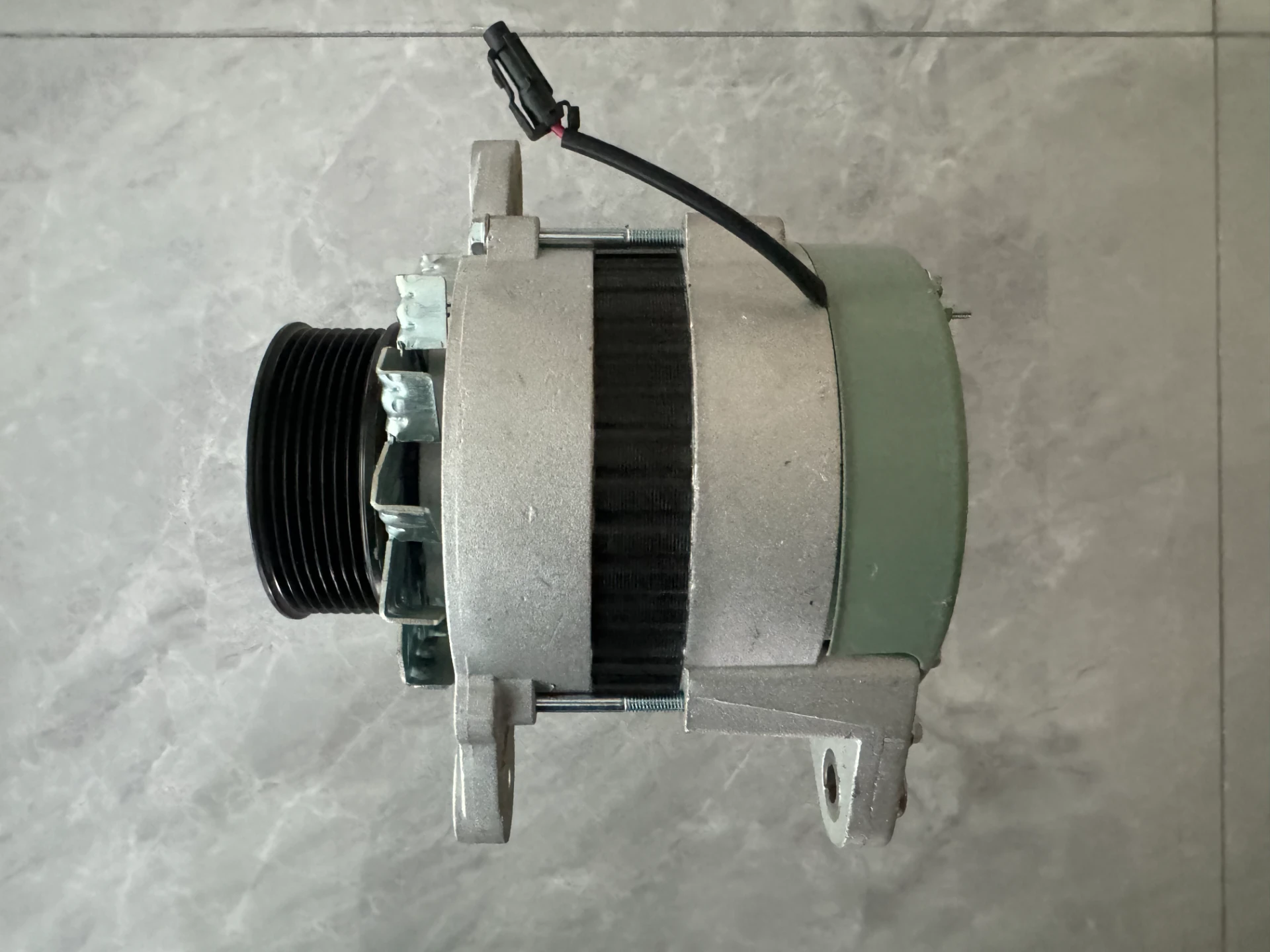
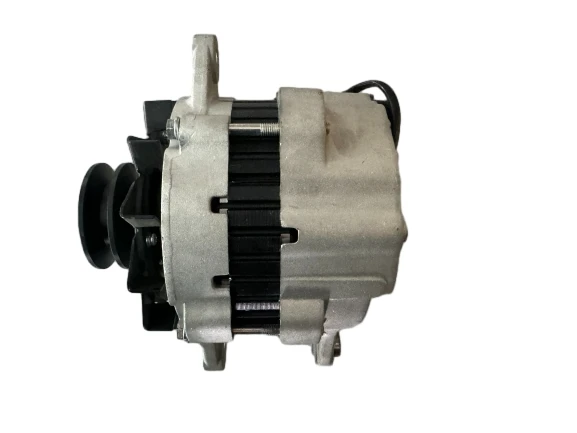
Advanced Power Solutions for high output alternator in Italy

Engineering high-performance charging systems for Italy's demanding automotive and industrial transport sectors, ensuring maximum uptime and electrical stability.

Advanced Power Solutions for high output alternator in Italy

Providing the Italian market with premium charging components, from heavy-duty diesel units to precision-engineered automotive systems, designed to withstand Mediterranean climates and rigorous industrial use.

The State of Power Generation in Italy's Automotive Sector

Analyzing the intersection of traditional Italian craftsmanship and modern electrical demands.

Italy's automotive landscape is unique, blending a high density of luxury sports cars with a massive logistics network relying on heavy-duty semi truck alternator systems. The regional climate, characterized by extreme summer heat in the south and alpine cold in the north, puts significant thermal stress on charging components, necessitating higher thermal efficiency.

The Italian industrial sector is currently transitioning toward higher electronic integration. This has led to an increased demand for automotive alternator units that can support advanced onboard diagnostics and complex infotainment systems without compromising battery longevity.

Furthermore, the logistics hubs in Lombardy and Veneto require exceptionally reliable diesel alternator solutions for their fleets, as downtime in these economic engines leads to substantial financial losses. The market is shifting from generic replacements to high-spec, durable components.
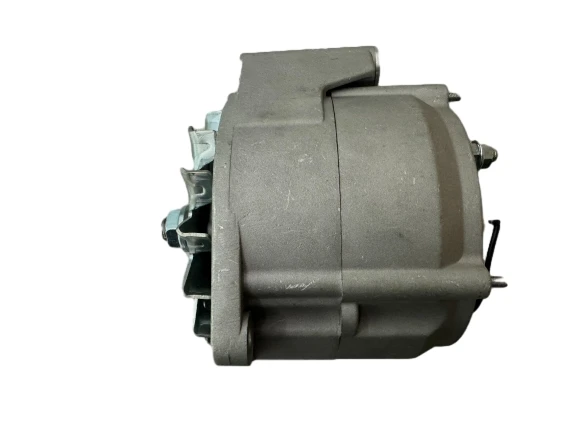
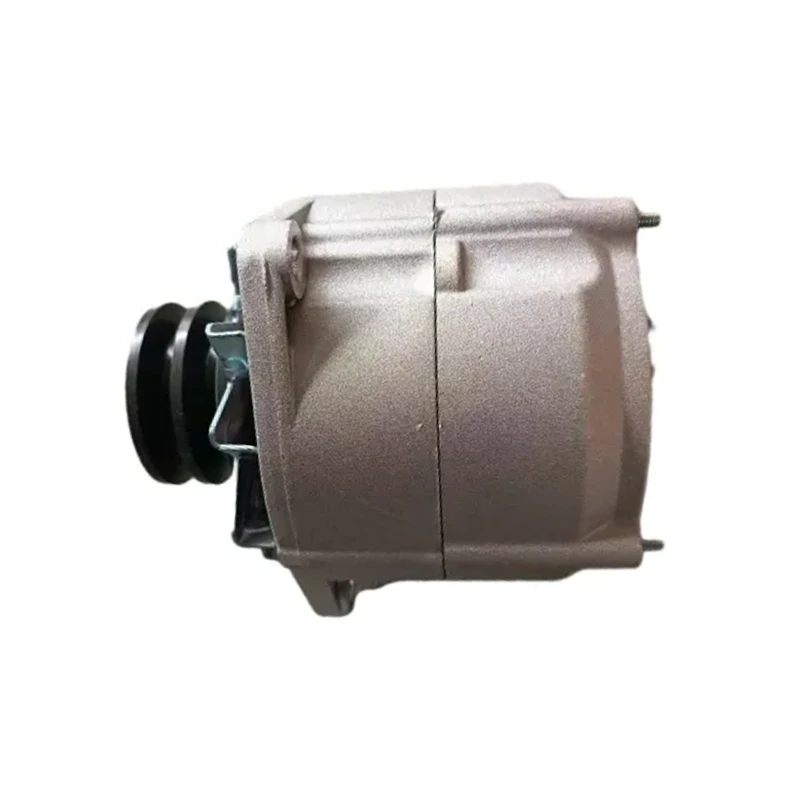
Evolution and Technical Trajectory of Charging Systems

From basic voltage regulation to intelligent energy management.

Market Development History

During the late 20th century, the Italian market relied on standard mechanical regulators. The primary focus was on basic reliability for domestic vehicle brands, where auto alternators were simple inductive devices providing steady current for basic lighting and ignition.

Between 2000 and 2015, the shift toward Electronic Control Units (ECUs) transformed the industry. Alternators began integrating with the vehicle's computer to optimize fuel efficiency, leading to the rise of "smart" charging systems that adjust output based on real-time battery needs.

From 2016 to the present, the surge in auxiliary electronic equipment in commercial vehicles has pushed the industry toward high-amperage designs. This era marked the dominance of heavy-duty units capable of supporting complex filtration and cooling systems in diesel engines.

Future Development Trends

Integration of Gallium Nitride (GaN) Tech

We expect a shift toward wider bandgap semiconductors in regulators to reduce heat waste and increase the efficiency of power conversion in compact spaces.

Hybridization of Charging Loops

As Italy adopts more mild-hybrid commercial vehicles, alternators will evolve into integrated starter-generators (ISG) to allow for smoother stop-start transitions.

Predictive Maintenance Sensors

Future units will incorporate IoT sensors to alert fleet managers in Italy about brush wear or diode failure before a total breakdown occurs.

Industry Trends and Future Outlook

Forecasting the next 3-5 years of electrical power evolution in the European transport sector.

Eco-Efficient Regulation
Implementing advanced voltage management to reduce CO2 emissions, aligning with EU Green Deal standards.
High-Current Demand
Growth in high-output units to power sophisticated telematics and refrigerated transport systems.
Thermal Resilience
Development of aerospace-grade cooling fins to combat the Italian summer heat waves.
Smart Diagnostics
Integration of CAN-bus communication for real-time health monitoring and failure prediction.

Industry Outlook

Google search trends in Italy indicate a rising interest in "energy efficiency" and "heavy-duty reliability," suggesting that the market is moving away from cheap replacements toward long-term investment pieces. This is particularly evident in the growth of the logistics sector in Northern Italy.

The future will be defined by the synergy between traditional internal combustion engine charging and the emerging electric architecture, requiring components that are versatile, highly efficient, and capable of handling fluctuating electrical loads.

Localized Application Scenarios in Italy

Real-world deployment of our charging solutions across the Italian peninsula.

1. Milan-Venice Logistics Corridor

Deployment of heavy-duty semi truck alternator units for long-haul fleets, ensuring constant power for refrigerated trailers moving perishables through Northern Italy.

2. Roman Urban Delivery Fleets

Implementation of compact, high-efficiency auto alternators for light commercial vehicles navigating the stop-and-go traffic of Rome's historic center.

3. Tuscan Agricultural Machinery

Providing robust diesel alternator systems for vineyard and olive grove tractors, designed to operate in dusty environments with high vibration.

4. Alpine Transit Services

Supplying high-performance charging units for snow-clearing and mountain transport vehicles in the Dolomites, focusing on cold-start reliability.

5. Luxury Automotive Restoration (Modena/Bologna)

Custom high-output power solutions for modified classic sports cars, blending vintage aesthetics with modern automotive alternator reliability.

Brand Story

Global Development Journey of Hebei JLT Automotive Parts Co., Ltd.

Founding and Technical Core

Established with a mission to solve the instability of charging systems in commercial vehicles, we focused on high-precision winding and superior diode selection.

Quality Standardization

We implemented rigorous ISO-certified testing protocols, ensuring every unit can withstand extreme thermal cycles and voltage spikes.

European Market Expansion

Recognizing the demand for precision in Europe, specifically Italy, we tailored our product line to meet the strictest EU electrical safety standards.

R&D Innovation Leap

Investment in high-output technologies allowed us to break the ceiling of traditional amperage, supporting the modern "smart truck" revolution.

Global Power Leadership

Today, we stand as a trusted partner for Italian distributors, providing a bridge between advanced manufacturing and local automotive needs.

Common Questions from Italian Clients

Technical insights and support for automotive electrical systems in Italy.

How to choose the right high output alternator for luxury Italian cars?

You should assess the total auxiliary load of the vehicle. For cars with advanced sound systems and ECU modifications, a high-output unit ensures voltage stability without draining the battery during idling.

Do diesel alternator units handle the high temperatures of Southern Italy?

Yes, our units feature reinforced thermal insulation and optimized cooling vents specifically designed to prevent overheating in hot Mediterranean climates.

What are the signs that a semi truck alternator needs replacement?

Common signs include flickering dashboard lights, a whining noise from the front end, or the battery failing to hold a charge despite being new.

Are these automotive alternator components compatible with EU standards?

Absolutely. All our products are manufactured to meet or exceed European quality and safety certifications for automotive electrical components.

How often should auto alternators be serviced in commercial fleets?

For high-mileage Italian fleets, we recommend a voltage check every 50,000km and a full inspection of the drive belt and brushes every 100,000km.

Can I upgrade to a high-capacity unit for my delivery van?

Yes, upgrading to a high-capacity alternator is possible as long as the mounting bracket and pulley system are compatible, which we can verify through your VIN.

Request Technical Consultation

Our engineering team is ready to support your automotive electrical needs across Italy. Contact us for bulk orders or custom technical specifications.

Contact Us Now

If you are interested in our products, you can choose to leave your information here, and we will be in touch with you shortly.