



Alternator Installation Labor Cost: Save with Clear Pricing!
Strategic Investment in Alternator Technology: Optimizing Operational Efficiency
In the demanding landscape of B2B operations, particularly within the automotive and industrial sectors, the reliability of critical components like alternators directly impacts operational uptime and cost efficiency. Understanding the nuanced factors that contribute to the labor cost to install alternator is paramount for fleet managers, procurement specialists, and maintenance engineers. This article delves into the technical intricacies, industry trends, and strategic considerations for selecting and installing high-performance alternators, ensuring long-term value beyond initial purchase price.
A thorough analysis of an alternator's lifecycle, from manufacturing excellence to operational longevity, reveals that perceived savings on component acquisition can be quickly offset by increased maintenance demands, premature failures, and the associated downtime. Our focus here is to provide a comprehensive perspective on how superior product quality directly mitigates the overall cost of ownership, including the critical labor expenditure involved in replacement and installation.
Industry Trends in Alternator Technology and Lifecycle Management
The automotive and heavy equipment industries are witnessing a sustained trend towards higher efficiency, increased power output, and enhanced durability in alternator technology. Modern alternators are engineered to meet the growing electrical demands of advanced vehicle systems, including sophisticated infotainment, telematics, and safety features. This evolution necessitates robust designs capable of operating reliably under extreme conditions while minimizing parasitic losses.
Key trends include:
- Enhanced Efficiency: Focus on reducing energy consumption and heat generation through optimized winding designs and advanced rectifier technologies.
- Compact Design: Development of smaller, lighter units that deliver higher power density, crucial for modern engine compartments.
- Durability for Harsh Environments: Improved sealing, corrosion-resistant coatings, and robust bearing systems for extended service life in demanding applications like construction, mining, and long-haul transportation.
- Smart Regulation: Integration with vehicle's Engine Control Unit (ECU) for intelligent voltage regulation, optimizing battery charging and overall electrical system health.
These advancements directly impact the long-term operational costs and reduce the frequency of component replacements, thereby mitigating the overall labor cost to install alternator over the vehicle's lifespan. Proactive selection of high-quality units, such as the Alternator 3701010-E4200 For DongFeng, is a strategic decision that pays dividends in reduced downtime and maintenance expenses.
Understanding the Alternator: Technical Specifications and Product Excellence
An alternator is a critical component responsible for generating electrical power to operate a vehicle's electrical systems and recharge the battery. Its fundamental components include the stator, rotor, rectifier, voltage regulator, slip rings, and brush assembly. Each element's design and material quality are crucial for performance and longevity.
Consider the Alternator 3701010-E4200 For DongFeng, an exemplary product designed for heavy-duty applications. Its specifications reflect a commitment to robust engineering:
| Parameter | Specification | Benefit/Significance |
|---|---|---|
| Product Model | 3701010-E4200 | OEM specific fitment for DongFeng vehicles, ensuring seamless integration. |
| Output Voltage | 14V | Standard voltage for 12V automotive systems, optimized for battery charging. |
| Output Current | 90A - 120A (Varies by specific sub-model/application) | Sufficient power for diverse electrical loads, including advanced accessories. |
| Mounting Type | Specific bracket design | Ensures direct bolt-on fitment, simplifying installation and reducing labor. |
| Bearing Type | High-quality sealed bearings | Extended service life, reduced friction and noise, minimal maintenance. |
| Protection Class | IP5X (Dust Protected) | Enhanced resistance to environmental contaminants, crucial for industrial use. |
| Operating Temperature | -40°C to +120°C | Reliable performance in extreme climates. |
| Certifications | ISO/TS 16949 compliant manufacturing | Assurance of high-quality processes and consistent product performance. |
These specifications directly contribute to the alternator's longevity and performance, translating into fewer unscheduled replacements and, consequently, lower overall maintenance expenditures, including the labor cost to install alternator.
The Manufacturing Process: Ensuring Quality, Durability, and Reliability
The robust performance and extended service life of a premium alternator are rooted in a meticulously controlled manufacturing process. From raw material sourcing to final assembly and testing, each stage adheres to stringent quality control standards, such as ISO 9001 and IATF 16949, which are critical for automotive components. This rigorous approach directly minimizes the likelihood of premature failure, thereby reducing the labor cost to install alternator in the long run due to unexpected replacements.
Key Manufacturing Stages:
1. Material Selection & Processing
- High-grade Copper: For stator and rotor windings, ensuring optimal conductivity and minimal resistance.
- Alloy Steel: For shafts and internal components, offering superior strength and wear resistance.
- Aluminum Die-Casting/Forging: For housings and brackets, providing lightweight strength and efficient heat dissipation.
- Precision Machining (CNC): Ensures exact tolerances for components like the rotor shaft and bearing journals, critical for smooth operation and durability.
2. Winding & Assembly
- Automated Winding: Precise and uniform stator and rotor windings to achieve optimal magnetic fields and electrical output.
- Rotor Balancing: Dynamic balancing to minimize vibration and extend bearing life, crucial for high RPM operations.
- Diode & Regulator Integration: High-quality diodes and voltage regulators are carefully assembled and soldered, often using automated processes to ensure reliability.
- Sealed Bearings: Pre-lubricated, sealed bearings are pressed in place to protect against contaminants and reduce friction.
3. Rigorous Testing & Quality Assurance
- Output Performance Testing: Verification of voltage and current output across the full RPM range.
- Temperature Cycling: Simulating extreme operating temperatures to test material integrity and component reliability.
- Vibration & Shock Testing: Ensuring structural integrity under typical operational stresses.
- Endurance Testing: Long-duration tests to simulate years of service life, often exceeding standard requirements.
- Noise, Vibration, and Harshness (NVH) Analysis: To ensure quiet and smooth operation.
These comprehensive steps ensure that the Alternator 3701010-E4200 For DongFeng, for instance, meets or exceeds OEM specifications, offering a service life that significantly outperforms lower-quality alternatives. This meticulous approach in manufacturing directly translates to advantages in typical application scenarios:
- Energy Saving: Optimized efficiency means less power is lost as heat, contributing to better fuel economy.
- Corrosion Resistance: Advanced coatings and sealed designs protect internal components in harsh environments, such as those found in petrochemical, marine, or agricultural industries.
- Extended Service Life: High-quality materials and rigorous testing ensure reliability, reducing the frequency of replacements in target industries like heavy-duty transportation, metallurgy, and water supply & drainage systems.
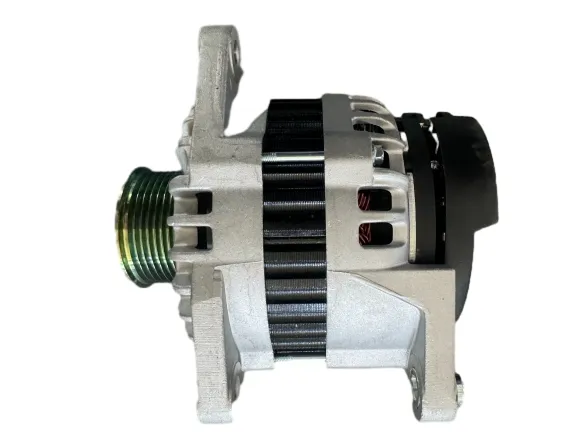
Image: Precision-engineered alternators undergoing rigorous quality control.
Factors Influencing the Labor Cost to Install Alternator
While the purchase price of an alternator is a clear line item, the total cost of ownership is significantly influenced by the labor cost to install alternator. This cost is highly variable and depends on several critical factors:
- Vehicle Make and Model Complexity: Some vehicles, particularly those with cramped engine bays or complex accessory drives, require extensive disassembly to access the alternator. Luxury vehicles or heavy-duty commercial trucks often have higher labor times.
- Geographic Location and Shop Rates: Labor rates for automotive repair vary significantly by region and even within cities. Metropolitan areas generally have higher hourly rates than rural ones.
- Type of Alternator (New vs. Remanufactured): While a remanufactured alternator cost might be lower for the part itself, the installation labor is generally the same. However, the reliability and warranty of a remanufactured unit are crucial; a low-quality remanufactured unit could lead to a repeat installation, doubling the labor cost.
- Shop Type: Dealerships typically charge higher labor rates compared to independent garages or specialized repair shops. However, dealerships often have specialized tools and brand-specific expertise.
- Additional Repairs: Sometimes, related components (e.g., serpentine belt, tensioner, battery, wiring) may need replacement simultaneously, adding to the overall labor and parts cost.
Average Estimated Labor Cost to Install Alternator (Representative Data)
| Vehicle Category | Installation Difficulty | Estimated Labor Hours | Approx. Labor Cost Range (USD) |
|---|---|---|---|
| Compact Sedans | Low | 1.5 - 2.5 | $120 - $300 |
| Mid-size SUVs/Trucks | Medium | 2.0 - 4.0 | $160 - $500 |
| Luxury/Performance Vehicles | High | 3.0 - 6.0+ | $240 - $900+ |
| Heavy-Duty Commercial Vehicles (e.g., DongFeng trucks) | Medium-High | 2.5 - 5.0 | $200 - $750 |
Note: Labor costs are estimates based on average shop rates ($80-$150/hour) and vary significantly by region, shop, and vehicle-specific complexities. These figures do not include the cost of the alternator itself.
Given these substantial labor costs, investing in a high-quality, reliable alternator that minimizes the need for repeat repairs is a sound economic decision. The true labor cost to replace an alternator isn't just the immediate bill, but the cumulative expense of potential re-dos and associated vehicle downtime.
Application Scenarios and Technical Advantages for B2B Operations
For B2B entities, the performance of an alternator extends beyond merely charging a battery. It's about maintaining consistent power for critical operations, reducing unscheduled maintenance, and ensuring fleet readiness. High-quality alternators, like the Alternator 3701010-E4200 For DongFeng, offer distinct technical advantages across diverse application scenarios:
- Heavy-Duty Transportation & Logistics: In long-haul trucks and delivery fleets, consistent power is vital for engine operation, refrigeration units, telematics, and cabin electronics. A reliable alternator prevents roadside breakdowns, which are costly in terms of lost revenue and emergency repair services.
- Construction & Mining Equipment: Operating in dusty, wet, and high-vibration environments, alternators in excavators, loaders, and dump trucks require exceptional durability and environmental sealing. Corrosion resistance and robust bearing systems significantly extend service intervals.
- Agricultural Machinery: Tractors and harvesting equipment demand reliable power for continuous operation during planting and harvest seasons. High output alternators support auxiliary lighting, GPS guidance, and precision farming systems.
- Specialized Fleets (e.g., Municipal, Emergency Services): Police vehicles, ambulances, and utility trucks depend on high-output alternators to power extensive arrays of lights, radios, and specialized equipment, often while idling. Over-specifying an alternator ensures these critical loads are met without strain.
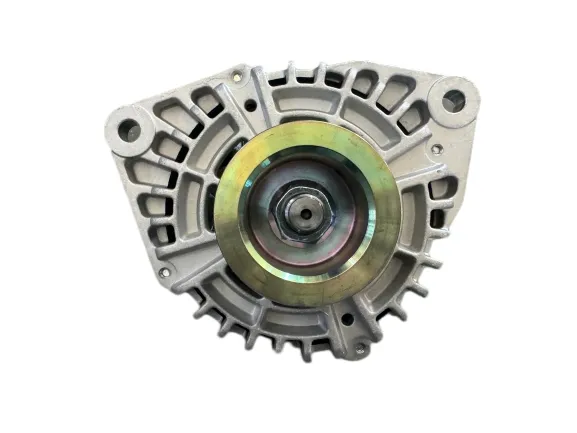
Image: Alternators designed for heavy-duty commercial vehicle applications.
The core technical advantage lies in the extended mean time between failures (MTBF), which directly reduces the total number of alternator replacements required over the operational life of the vehicle or equipment. This translates to substantial savings on the labor cost to replace an alternator, as well as minimizing the indirect costs of vehicle downtime and lost productivity.
Vendor Comparison, Customized Solutions, and Value Proposition
When sourcing alternators, B2B decision-makers face a choice between generic, often lower-cost options and specialized, high-performance units. This comparison is not merely about upfront price but about long-term value, reliability, and the implications for the overall labor cost to install alternator.
Alternator Comparison: JLT Alternator (OEM-Grade) vs. Generic Aftermarket
| Feature/Parameter | JLT Alternator (e.g., 3701010-E4200) | Generic Aftermarket Alternator |
|---|---|---|
| Manufacturing Standards | ISO/TS 16949, OEM specifications met or exceeded | Varies widely, often less stringent quality control |
| Material Quality | Premium copper, high-grade bearings, robust alloys | Lower grade materials, potentially recycled components for remanufactured alternator cost reduction without quality control |
| Performance & Output Stability | Consistent output across RPM range, excellent voltage regulation | Potential for voltage spikes/drops, reduced output at low RPMs |
| Durability & Service Life | Extended lifespan, high resistance to heat, vibration, and contaminants | Shorter operational life, increased risk of premature failure |
| Warranty & Support | Comprehensive, robust warranty; dedicated technical support | Limited or short-term warranty, less reliable support |
| Total Cost of Ownership (TCO) | Higher initial cost, significantly lower long-term maintenance & downtime costs (including labor cost to install alternator) | Lower initial cost, higher long-term maintenance & downtime costs (due to frequent replacements) |
Customized Solutions:
For specialized fleets or unique industrial applications, standard off-the-shelf alternators may not suffice. Experienced manufacturers offer customized solutions, including:
- Higher Amperage Output: For vehicles with heavy auxiliary electrical loads (e.g., refrigerated trucks, mobile broadcasting units).
- Specific Mounting Configurations: Adapting alternators to non-standard engine architectures.
- Enhanced Environmental Protection: IP-rated enclosures for extreme dust, moisture, or chemical exposure.
- Specialized Voltage Regulation: For hybrid systems or specific industrial power requirements.
Investing in tailored solutions from reputable vendors like JLT Alternator ensures optimal fit, performance, and longevity, directly impacting the long-term reliability of operations and minimizing the recurring labor cost to replace an alternator.
Real-World Application Case Studies (Illustrative)
While specific client names cannot be disclosed, the impact of high-quality alternators on B2B operations is evident across various industries:
- Commercial Trucking Fleet: A logistics company operating a fleet of 50 DongFeng trucks experienced an average of 3-4 alternator failures per month using generic aftermarket parts. After switching to OEM-grade alternators like the 3701010-E4200, failures dropped to less than one per quarter. This resulted in a 70% reduction in emergency roadside assistance calls related to electrical issues and a significant decrease in the overall labor cost to install alternator across the fleet due to fewer replacements.
- Mining Operation: In a remote open-pit mine, a fleet of heavy-duty excavators faced frequent alternator failures due to extreme dust and vibration. Implementing alternators with enhanced IP ratings and robust bearing systems extended the component life by 200%, drastically reducing unscheduled downtime and the high labor costs associated with repairs in isolated locations.
- Municipal Bus Service: A city bus operator upgraded its fleet's alternators to higher-output models to support increasing electrical loads from infotainment systems and passenger amenities. This proactive replacement reduced battery drainage issues and ensured consistent power delivery, extending battery life and avoiding costly breakdowns during peak service hours, thus mitigating the unexpected labor cost to replace an alternator in the field.
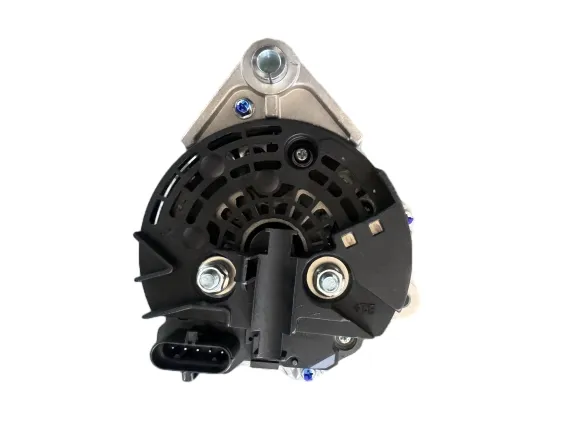
Image: Alternators powering demanding applications in commercial fleets.
Ensuring Trust and Authority: JLT Alternator Commitment ( Standards)
At JLT Alternator, our commitment to Expertise, Experience, Authoritativeness, and Trustworthiness () underpins every product and service we provide. This commitment translates into tangible benefits for our B2B partners.
Quality Assurance & Certifications:
All alternators, including the 3701010-E4200 For DongFeng, are manufactured under strict quality management systems compliant with ISO 9001 and IATF 16949 standards. These certifications ensure consistency in product quality, process control, and continuous improvement, validating our authoritative standing in the industry. Rigorous pre-delivery testing, including full load and operational integrity checks, guarantees that each unit performs to specification.
Frequently Asked Questions (FAQ):
Q: What is the typical lifespan of your alternators?
A: Our OEM-grade alternators are designed for a service life of 5-7 years or 150,000-200,000 miles under normal operating conditions, significantly exceeding many aftermarket alternatives.
Q: How does a high-quality alternator reduce total ownership cost?
A: By minimizing premature failures, it reduces unscheduled downtime, the frequency of replacements, and consequently, the labor cost to install alternator over the vehicle's lifespan, alongside other associated operational interruptions.
Q: Do you offer solutions for heavy-duty commercial vehicles?
A: Yes, we specialize in heavy-duty applications and offer a range of robust alternators and custom solutions tailored to the rigorous demands of commercial trucking, construction, and industrial equipment.
Q: What is the lead time for large orders?
A: Lead times vary based on product type and order volume. For standard products, we typically maintain inventory for prompt dispatch. For custom or large-volume orders, we provide a detailed production and delivery schedule during the quotation phase, generally ranging from 2-6 weeks.
Warranty and Customer Support:
We stand behind our products with a robust warranty commitment, typically offering a 1-year replacement warranty for our alternators, demonstrating confidence in our manufacturing quality. Our dedicated customer support team comprises experienced technical professionals available to assist with product selection, troubleshooting, and post-sales inquiries, ensuring a seamless experience for our B2B partners. This comprehensive support minimizes potential disruptions and reinforces the value proposition of choosing reliable components, thereby indirectly reducing the long-term impact of the labor cost to install alternator by ensuring proper selection and operation.
Conclusion
The strategic selection of high-quality alternators is a critical decision for any B2B operation aiming for optimal efficiency and minimized total cost of ownership. Beyond the initial purchase price, factors such as extended service life, reduced downtime, and the inherent reliability of a meticulously manufactured component significantly outweigh the perceived savings of lower-grade alternatives. Understanding the labor cost to install alternator as a recurring potential expense underscores the imperative of investing in durable, high-performance units. Products like the Alternator 3701010-E4200 For DongFeng exemplify this commitment to quality, providing the reliability and consistent power output essential for modern commercial and industrial applications. By prioritizing expertise, quality, and comprehensive support, businesses can ensure their fleets and equipment operate at peak performance, yielding substantial long-term economic benefits.
References
- ISO. (2023). ISO 9001: Quality management systems. International Organization for Standardization.
- SAE International. (2022). J180: Recommended Practice for Electric Alternator and Battery-Charging Systems.
- IATF. (2021). IATF 16949: Quality Management System Standard for the Automotive Industry. International Automotive Task Force.
- Bosch Automotive Handbook, 11th Edition. (2022). Robert Bosch GmbH.
- Deloitte. (2023). The future of mobility: The changing landscape of the automotive industry.