



Comprehensive Guide to 80 Amp Alternators Performance and Applications
Understanding 80 Amp Alternators: A Comprehensive Guide
An 80 amp alternator is a crucial component in many vehicles and equipment, providing the electrical power needed to run various systems. Choosing the right alternator is vital for optimal performance and reliability. This article will delve into the workings of 80 amp alternators, their applications, how to select the right one, and explore factors like lifespan and maintenance. Understanding these aspects ensures you make an informed decision and maximize the value of your investment. We'll cover everything from basic functionality to troubleshooting common issues.
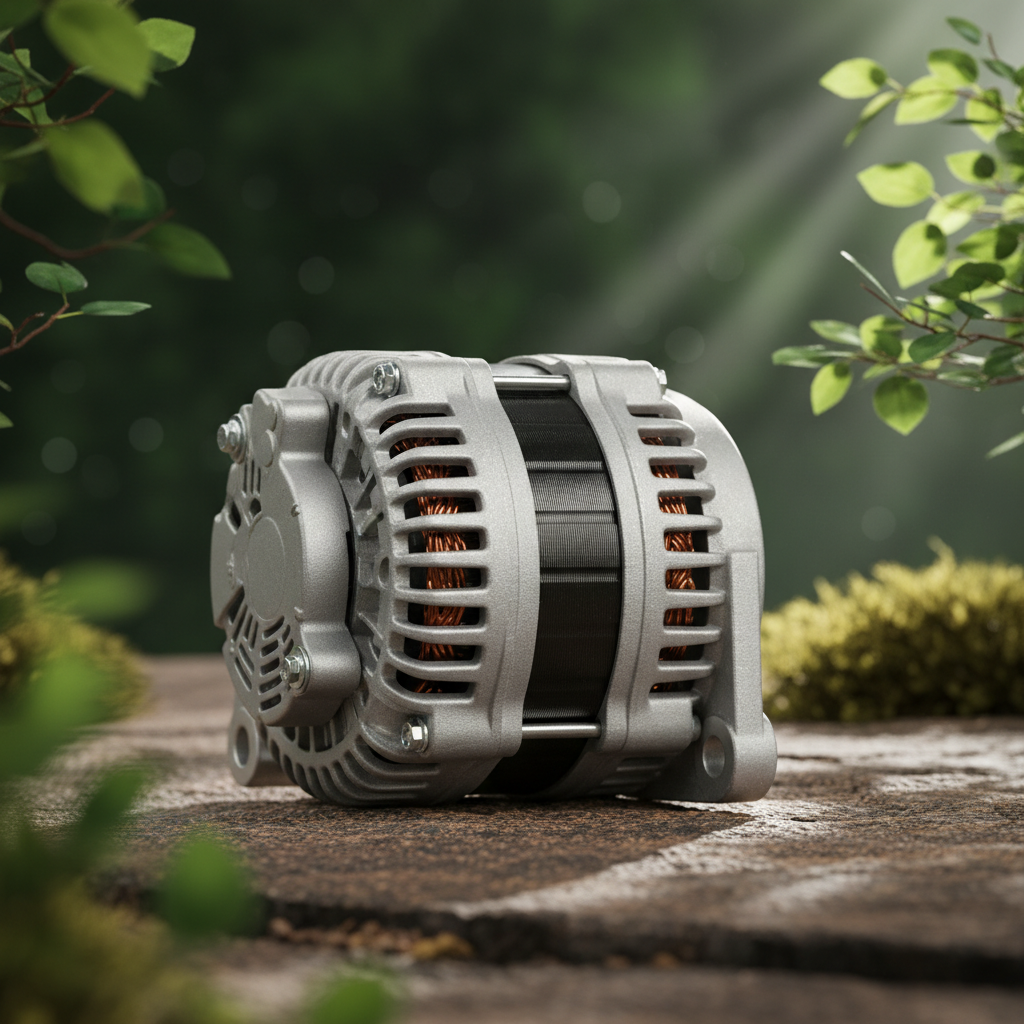
How Does an 80 Amp Alternator Work?
At its core, an alternator converts mechanical energy from the engine’s rotation into electrical energy. The 80 amp rating signifies the alternator's capacity to deliver 80 amperes of current at 12 or 24 volts (depending on the system). The alternator uses a rotating magnetic field, typically created by a rotor with windings, to induce a voltage in the stator windings. This voltage is then rectified (converted from AC to DC) and regulated to ensure a stable output. A voltage regulator is a critical part, preventing overcharging of the battery and protecting sensitive electronic components. The JLT Alternator line offers robust regulators for consistent performance.
Key Components: Rotor, Stator, Voltage Regulator, Rectifier Diodes, Pulley.
Applications of 80 Amp Alternators
80 amp alternators are commonly found in a wide range of vehicles and equipment. They are often sufficient for cars, trucks, and SUVs with moderate electrical demands. However, vehicles equipped with numerous accessories – such as high-powered audio systems, auxiliary lighting, winches, or aftermarket electronics – may require a higher amperage alternator. Industrial equipment, small generators, and boats also frequently utilize 80 amp alternators. Properly matching the alternator capacity to the electrical load is crucial for preventing battery drain and ensuring reliable operation.
Common Applications:
• Cars and Light Trucks
• SUVs
• Boats
• Small Generators
• Industrial Equipment
Choosing the Right 80 Amp Alternator for Your Needs
Selecting the correct alternator involves considering several factors. First, determine your vehicle’s or equipment’s electrical system voltage (12V or 24V). Next, assess the total electrical load – the sum of the amperage requirements of all electrical components. It's often advisable to choose an alternator with a slightly higher amperage capacity than your calculated load to accommodate future additions or unexpected power surges. Consider the alternator’s physical dimensions and mounting configuration to ensure compatibility with your equipment. Finally, prioritize quality and reliability by choosing a reputable brand like JLT Alternator.
80 Amp Alternator Lifespan & Maintenance
The lifespan of an 80 amp alternator typically ranges from 5 to 10 years, depending on operating conditions and maintenance. Factors like excessive heat, corrosion, and heavy electrical loads can shorten its lifespan. Regular maintenance, such as checking the belt tension and cleaning the connections, can significantly extend its longevity. Avoid overloading the alternator with excessive electrical demands. If you notice dimming headlights, a failing battery, or unusual noises, have the alternator inspected by a qualified technician.

Troubleshooting Common 80 Amp Alternator Issues
Common problems with 80 amp alternators include a failing voltage regulator, worn-out brushes, and faulty diodes. A failing voltage regulator can lead to overcharging or undercharging the battery. Worn brushes can cause intermittent charging or complete failure. Faulty diodes can result in AC voltage in the DC system, potentially damaging sensitive electronics. Often, a simple visual inspection can reveal loose connections or damaged wires. Professional diagnostic tools can pinpoint the exact cause of the problem. If you suspect an issue, it’s best to consult a qualified mechanic or consider a replacement from a trusted supplier like JLT Alternator.
Conclusion: Powering Your Needs with a Reliable 80 Amp Alternator
Choosing the right 80 amp alternator is crucial for the reliable operation of your vehicle or equipment. Understanding its function, applications, and proper maintenance will ensure long-lasting performance. Investing in a quality alternator from a reputable brand like JLT Alternator provides peace of mind and minimizes the risk of costly breakdowns. Don't compromise on power – choose wisely and keep your systems running smoothly.
Frequently Asked Questions (FAQs)
What is the difference between an alternator and a generator?
While both alternators and generators produce electrical power, they operate on different principles. Generators produce DC power directly, while alternators produce AC power that is then converted to DC using diodes. Alternators are generally more efficient, lighter, and more durable than generators, making them the preferred choice for modern vehicles and equipment. They also provide a more consistent output at varying engine speeds. The JLT Alternator utilizes advanced technologies to maximize efficiency and reliability.
How can I tell if my 80 amp alternator is failing?
Several symptoms can indicate a failing alternator. These include dimming headlights, a weak or failing battery, a warning light on the dashboard (often shaped like a battery), unusual noises (whining or grinding), and difficulty starting the engine. If you experience any of these symptoms, it's crucial to have your alternator tested by a qualified mechanic. Early detection can prevent more serious issues and costly repairs.
Can I upgrade to a higher amperage alternator?
In some cases, you can upgrade to a higher amperage alternator, especially if you've added aftermarket electrical accessories. However, it's essential to ensure that your vehicle’s wiring harness and battery can handle the increased current. Upgrading the wiring may be necessary to avoid overheating or damage. Consult with a qualified automotive electrician to determine if an upgrade is suitable for your vehicle and to ensure proper installation.
What is the role of the voltage regulator in an alternator?
The voltage regulator is a critical component that maintains a constant voltage output from the alternator, regardless of engine speed or electrical load. It prevents overcharging the battery, which can damage electronic components, and ensures a stable power supply to all electrical systems. A faulty voltage regulator can lead to a variety of issues, including battery damage, dimming lights, and malfunctioning accessories.