



Exploring the Versatility and Power of Mini Alternators for Diverse Applications
Understanding Mini Alternators: A Comprehensive Guide
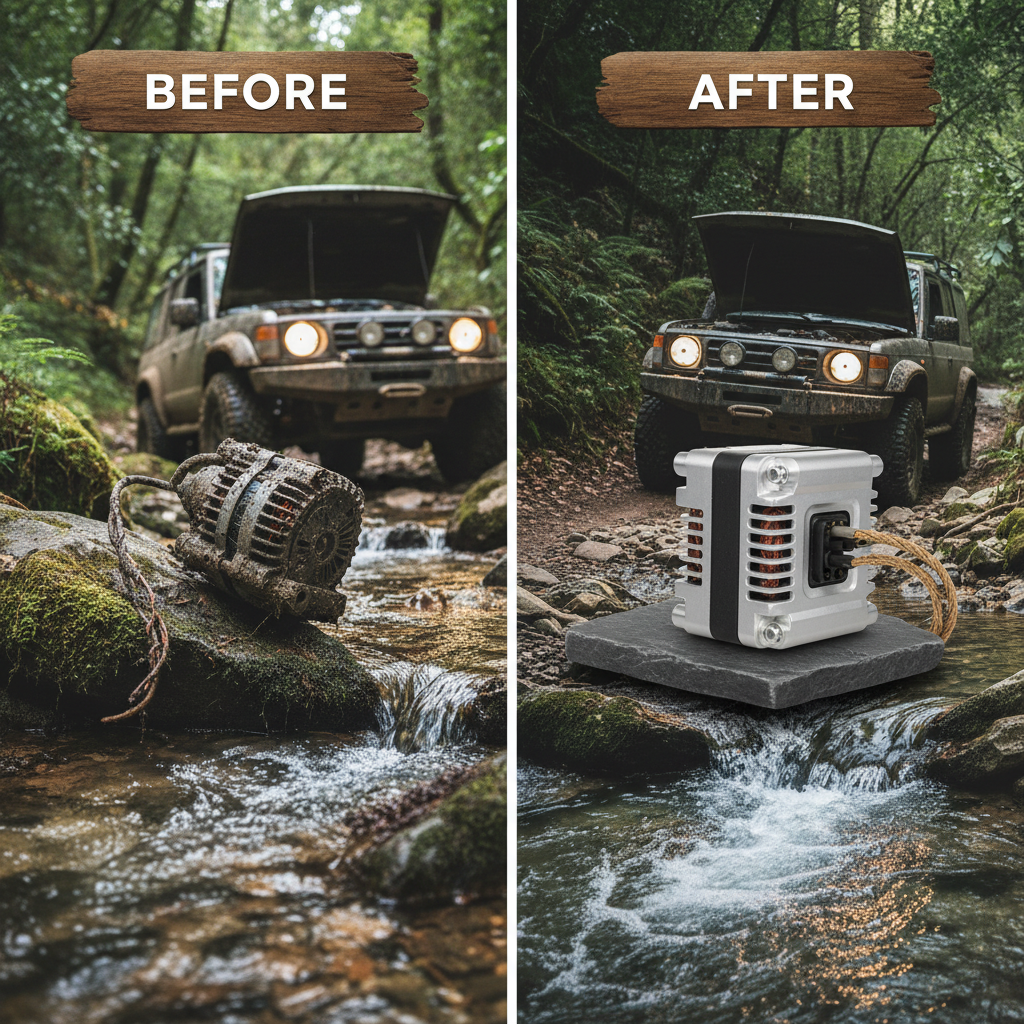
Mini alternators are compact, lightweight electrical generators designed to produce alternating current (AC) power. Their versatility makes them ideal for a wide range of applications, from portable power tools to automotive auxiliary systems. This article will explore the key features, benefits, applications, and specifications of mini alternators, providing a detailed overview for both professionals and enthusiasts. Understanding these generators is crucial for optimizing power solutions in diverse settings.
Key Features of Mini Alternators
Mini alternators distinguish themselves through their small size, light weight, and efficient power generation. They typically utilize permanent magnets for excitation, simplifying the design and reducing energy consumption. Many models are designed for high-speed operation, maximizing power output in compact packages. Furthermore, advanced manufacturing techniques have significantly improved their reliability and durability. Choosing the right mini alternator depends on the specific application and power requirements.
Key Highlights: Compact design, lightweight, efficient power generation, often utilizes permanent magnets, suitable for high-speed operation, and durable construction.
Mini Alternator Applications: A Versatile Power Source
The applications of mini alternators are vast and varied. They are commonly used in portable generators for camping and emergency power, wind turbines for small-scale electricity generation, and as auxiliary power sources in vehicles. Furthermore, they play a crucial role in robotics, providing power to drive motors and sensors. The increasing demand for portable and efficient power solutions continues to drive innovation and expansion in mini alternator applications. From DIY projects to industrial machinery, these generators offer a convenient and reliable power source.
Application Benefits:
• Portable power solutions for various needs
• Small-scale electricity generation (wind turbines)
• Auxiliary power for vehicles and robotics
• Reliable power source for DIY projects and industrial applications
Comparing Mini Alternators: Brushless vs. Brushed
Mini alternators come in two primary designs: brushless and brushed. Brushed alternators are simpler and generally less expensive, but require periodic maintenance due to brush wear. Brushless alternators, on the other hand, offer higher reliability, longer lifespan, and reduced maintenance requirements. However, they are typically more expensive. The choice between the two depends on the specific application and budget constraints. JLT Alternator specializes in providing high-quality, durable mini alternators for a diverse range of applications.
Choosing the Right Mini Alternator: Key Specifications
Selecting the appropriate mini alternator requires considering several key specifications. These include the output voltage, current capacity, rotational speed, and physical dimensions. Output voltage should match the requirements of the intended load. Current capacity determines the maximum power the alternator can deliver. Rotational speed affects the power output, and physical dimensions are crucial for ensuring compatibility with the application. JLT Alternator provides detailed specifications for each model, helping customers make informed decisions.

Future Trends in Mini Alternator Technology
The future of mini alternator technology is focused on increasing efficiency, reducing size, and enhancing reliability. Research and development efforts are concentrated on advanced materials, improved magnetic designs, and innovative control systems. The integration of smart technologies, such as predictive maintenance capabilities, is also gaining traction. As demand for portable and efficient power solutions continues to grow, we can expect to see significant advancements in mini alternator technology in the years to come. These advancements will drive further innovation across a wide range of industries.
Conclusion: Powering the Future with Mini Alternators
Mini alternators represent a vital component in modern power solutions, offering versatility, efficiency, and reliability. From portable applications to industrial machinery, their compact size and robust performance make them an increasingly popular choice. JLT Alternator is dedicated to providing high-quality mini alternators that meet the evolving needs of diverse industries. Invest in a reliable power source – choose a mini alternator from JLT Alternator.
Frequently Asked Questions (FAQs)
What is the typical lifespan of a mini alternator?
The lifespan of a mini alternator varies depending on usage conditions, load, and maintenance. However, a well-maintained brushless mini alternator can typically last for 5,000 to 10,000 hours of operation. Brushed alternators generally have a shorter lifespan, around 1,000 to 3,000 hours, due to brush wear. Regular inspections and adherence to manufacturer recommendations are crucial for maximizing lifespan. Factors like overheating and excessive vibration can significantly reduce the alternator’s longevity.
What factors affect the output power of a mini alternator?
Several factors influence the output power of a mini alternator. These include rotational speed (RPM), the strength of the magnetic field, and the efficiency of the winding design. Increasing the RPM generally increases power output, up to a certain point. The quality of the permanent magnets and the precision of the windings also play significant roles. Load conditions can also impact performance; exceeding the alternator’s rated capacity can lead to reduced efficiency and potential damage.
Are mini alternators suitable for powering sensitive electronic devices?
While mini alternators can provide power, directly connecting sensitive electronic devices isn't always recommended. The output from a mini alternator can sometimes be "dirty," meaning it contains voltage spikes or fluctuations that can damage sensitive electronics. It’s best to use a voltage regulator or a DC-DC converter to stabilize and filter the output voltage before connecting it to sensitive devices. This ensures a clean and consistent power supply.
What is the importance of choosing the correct voltage for a mini alternator?
Selecting the correct voltage is crucial for both safety and performance. Using a voltage that's too high can damage the connected devices, while a voltage that's too low can result in insufficient power and malfunction. The alternator's output voltage should match the voltage requirements of the load. JLT Alternator offers a range of voltages to suit various applications.