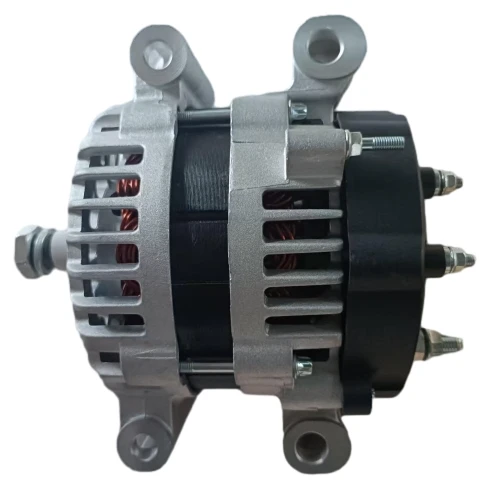
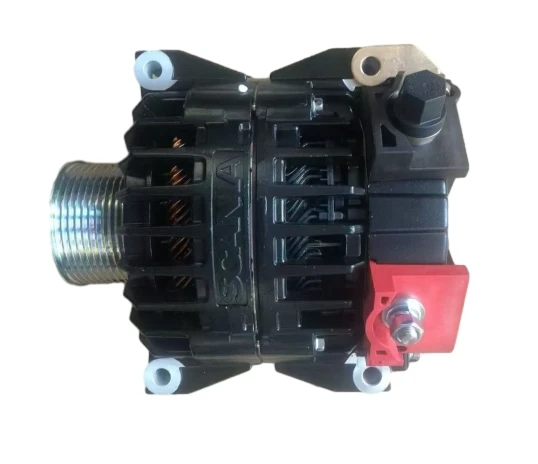
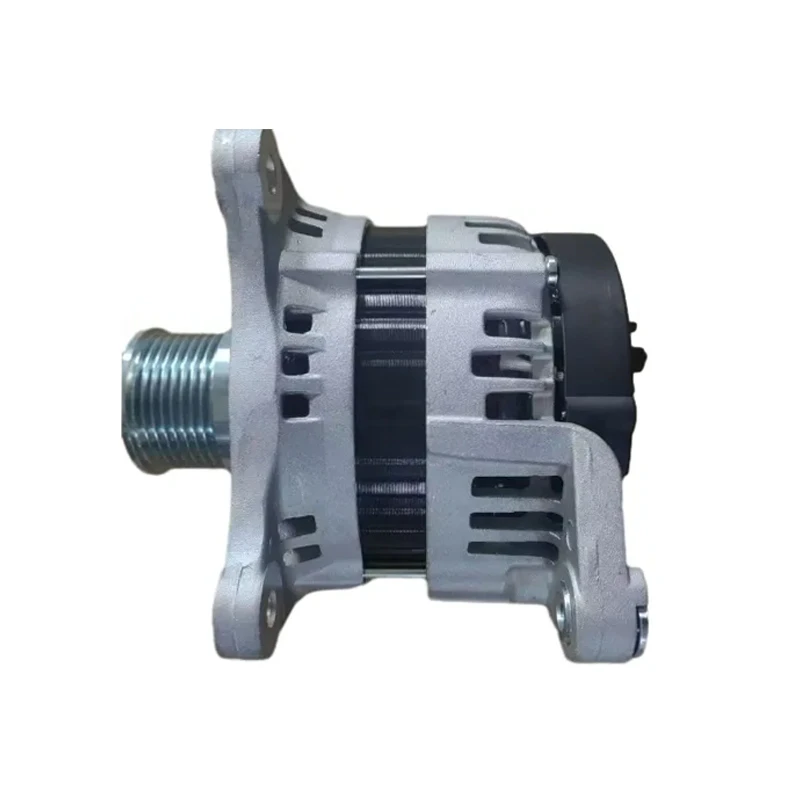
In Afghanistan, the automotive landscape is dominated by heavy-duty vehicles navigating mountainous terrain and arid plains. The prevalence of dust and sand poses a severe threat to standard auto alternators, often leading to premature wear of bearings and brush failure due to particulate infiltration.
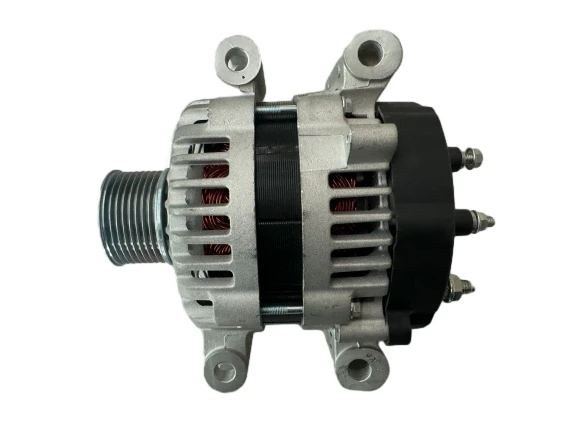
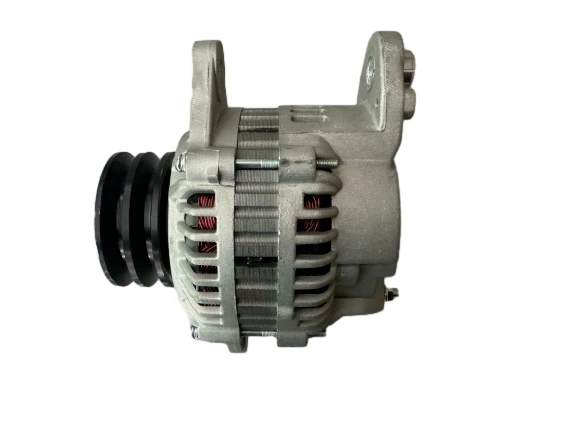
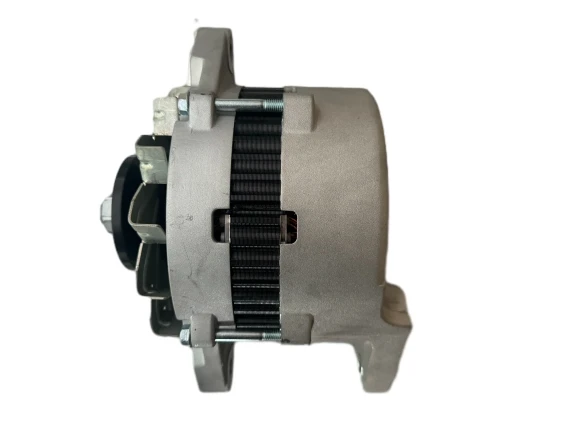
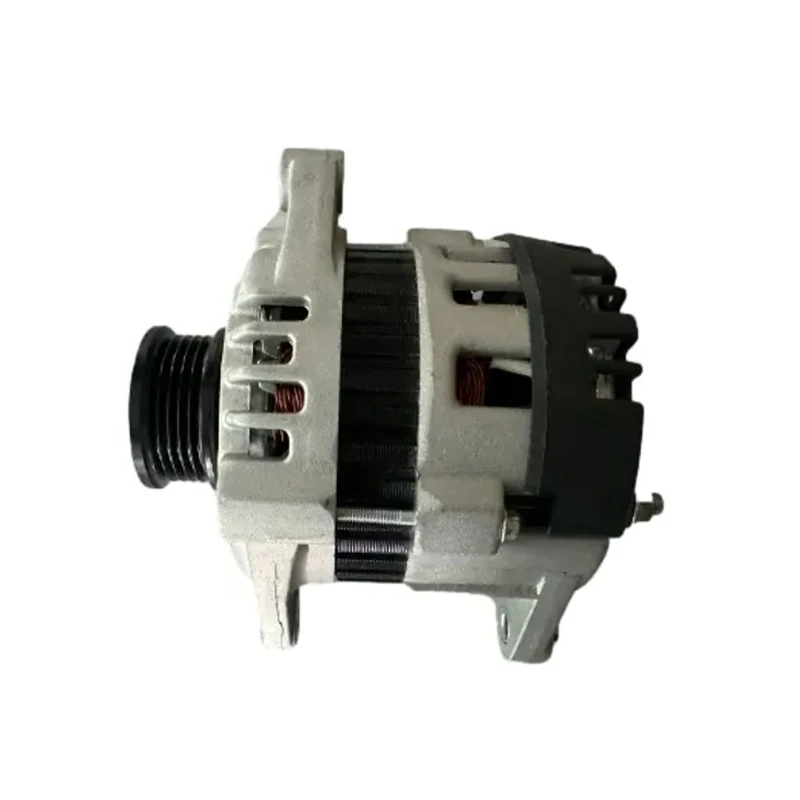
Extreme temperature fluctuations—from scorching summers to freezing winters in the highlands—place immense stress on battery chemistry and voltage regulation. This necessitates the use of a robust automotive alternator that can maintain a consistent charge without overheating under high-load idling conditions common in urban centers like Kabul.
Furthermore, the reliance on older diesel fleets for logistics means that the demand for reliable, high-amperage charging is critical. Vehicles often operate far from service hubs, making the durability of the electrical system a matter of operational survival rather than mere maintenance.