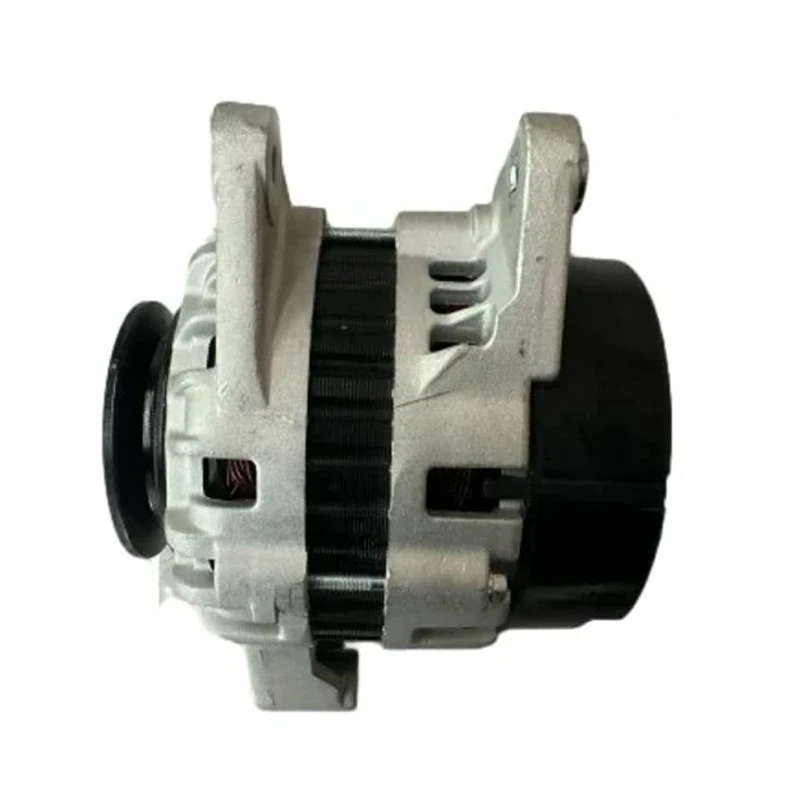
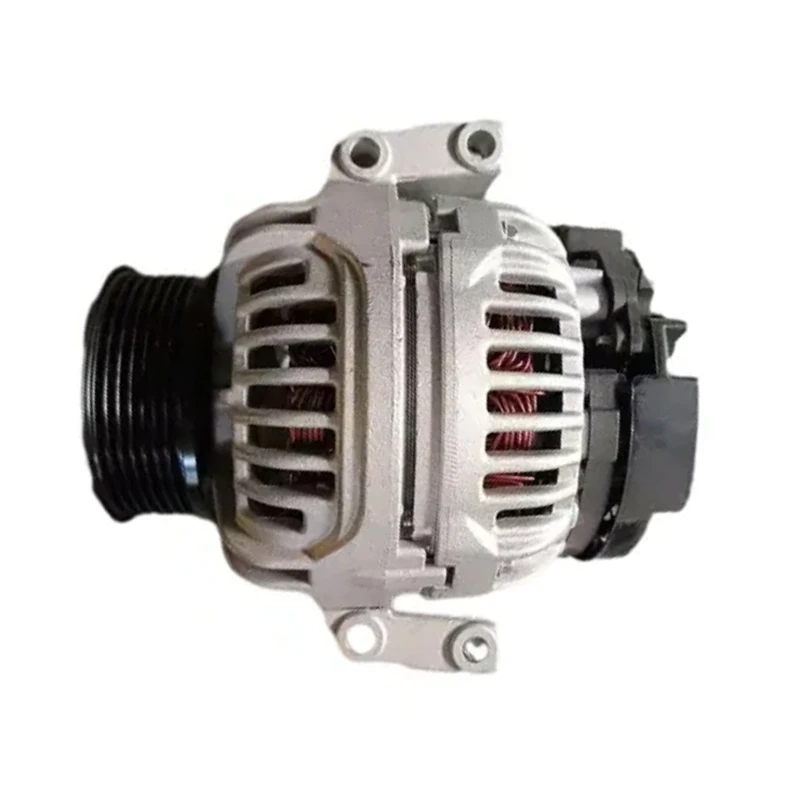
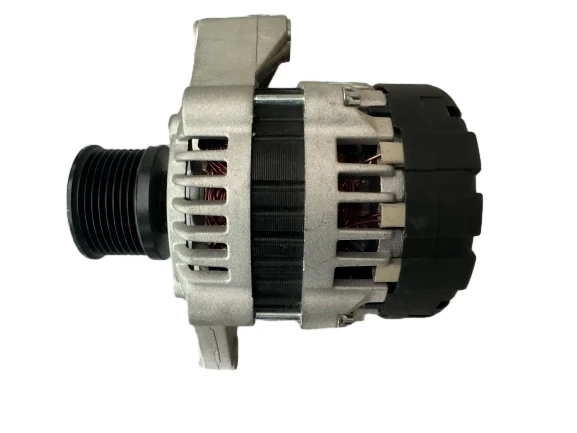
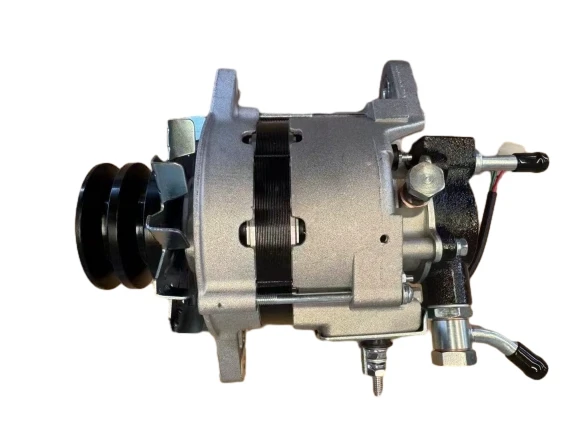

Heavy-Duty Diesel Alternator Solutions for DRC

Powering the Democratic Republic of the Congo's industrial and mining fleets with high-performance charging systems engineered for extreme environments.

Heavy-Duty Diesel Alternator Solutions for DRC

Providing the Democratic Republic of the Congo with specialized electrical power solutions to ensure zero downtime for critical logistics and mining operations across the Congo Basin.

The Charging Infrastructure Landscape in DR Congo

Analyzing the operational challenges of automotive electrical systems in Central Africa.

In the Democratic Republic of the Congo, the automotive sector is dominated by heavy-duty machinery used in copper and cobalt mining. The humid tropical climate and extreme dust levels in regions like Katanga place immense stress on auto alternators, leading to premature wear of bearings and brushes.

Logistics networks relying on rugged terrain demand an automotive alternator that can withstand constant vibration and high ambient temperatures. Standard components often fail under these conditions, necessitating reinforced housing and superior heat dissipation technologies.

Furthermore, the prevalence of modified diesel engines for heavy transport means that a standard charging system is rarely sufficient. There is a critical demand for robust power generation that can support auxiliary lighting and communication systems essential for safety in remote jungle territories.
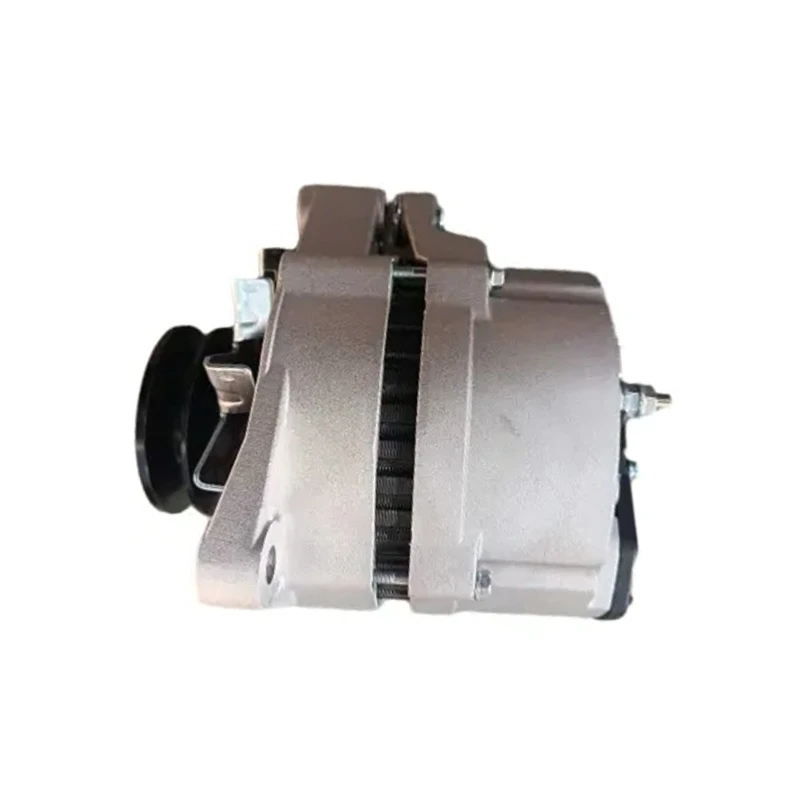
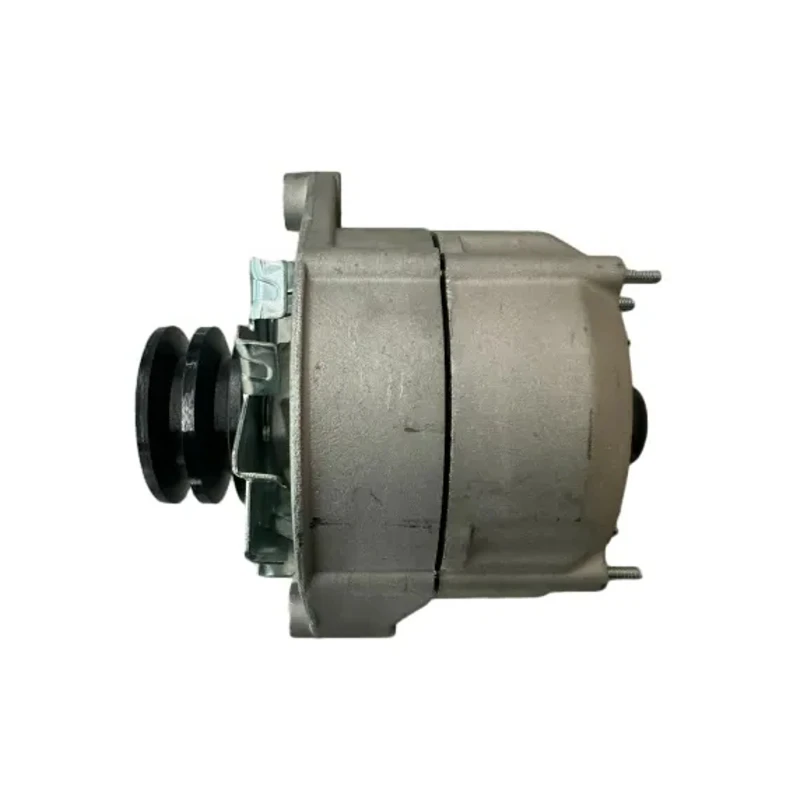
Evolution of Power Generation in Congolese Transport

From basic mechanical charging to intelligent high-output electrical systems.

Market Development History

From 1990 to 2005, the DRC market relied heavily on legacy mechanical alternators. These units were simple but lacked the efficiency required for the growing fleet of heavy-duty mining trucks, often resulting in frequent battery failures during the rainy seasons.

Between 2006 and 2015, the shift toward electronic voltage regulation began. The introduction of the semi truck alternator with integrated regulators allowed for more stable power delivery, reducing the risk of overcharging in the extreme heat of Kinshasa and Lubumbashi.

From 2016 to the present, the industry has pivoted toward "over-spec" components. Operators have realized that investing in a high output alternator is more cost-effective than frequent replacements of standard units, leading to a surge in demand for industrial-grade parts.

Future Development Trends

Smart Charging Integration

Expect a transition toward LIN-bus and CAN-bus controlled alternators that communicate directly with the ECU to optimize fuel efficiency and battery life.

Climate-Resilient Materials

Integration of advanced hydrophobic coatings and reinforced seals to prevent moisture ingress from the Congo Basin's high humidity.

Hybrid-Ready Power Systems

Development of alternators capable of supporting the increased electrical loads of hybrid-diesel mining equipment to reduce overall carbon footprints.

Future Outlook for DRC Automotive Electricals

Strategic forecasts for the next 3-5 years of power system development.

Mining Grade Durability
Shift toward reinforced housings and military-grade bearings to handle 24/7 mining operation cycles.
Increased Ampere Capacity
Growing demand for 200A+ systems to support advanced GPS and telematics in remote areas.
Modular Replacement
Moving toward plug-and-play units that reduce repair time in the field.
Sustainability focus
Implementation of recyclable copper and efficient winding to lower energy loss.

Industry Outlook

Google search trends for the region indicate a sharp rise in queries for "industrial heavy duty parts" and "long-life charging systems." This suggests a shift in the DRC market from a "cheapest available" mindset to a "total cost of ownership" strategy.

We anticipate that as infrastructure projects expand across the Congo River, the demand for ultra-reliable electrical components will outpace general automotive growth, creating a niche for high-specification industrial power solutions.

Local Application Scenarios in DR Congo

Real-world deployment of charging systems in the most demanding environments.

1. Cobalt & Copper Mine Haulers

In the Lualaba province, massive dump trucks operate 24/7. These vehicles require high-amperage alternators to power heavy-duty cooling fans and onboard diagnostics in 40°C heat.

2. Remote Jungle Logistics Fleets

Trucks transporting goods through the rainforest face high humidity. Moisture-sealed alternators prevent short-circuits and corrosion of the internal stator windings.

3. Urban Transit in Kinshasa

Public transport vans frequently idling in heavy traffic require efficient charging systems that can maintain battery health even at low engine RPMs.

4. Hydroelectric Project Machinery

Construction equipment used in dam projects requires reliable starting and charging systems to ensure continuous operation in remote, flood-prone zones.

5. Cross-Border Trade Semi-Trucks

Long-haul vehicles traveling between DRC and neighboring countries rely on high-capacity alternators to power auxiliary sleepers and long-range communication gear.

Brand Story

Global Development Process of Hebei JLT Auto Parts Co., Ltd.

Foundational Excellence

Established with a focus on precision engineering, we began by solving the core failure points of standard charging systems in industrial environments.

Technological Breakthrough

Developed advanced winding techniques that increased current output without increasing the physical size of the alternator.

Global Market Expansion

Expanded our reach to Africa, specifically tailoring our products to the extreme climate and road conditions of the DR Congo.

Quality Certification

Implemented rigorous ISO-standard testing to ensure every unit can withstand the most brutal vibrations and thermal shocks.

Industry Leadership

Today, JLT is a trusted partner for mining and logistics giants, providing the electrical heartbeat for the world's toughest fleets.

Complete Power Portfolio for DR Congo

Customized electrical solutions designed for African industrial standards.

DR Congo Automotive Electrical FAQ

Expert answers to common charging system questions in the DRC region.

How to choose the right high output alternator for mining trucks in Katanga?

You should evaluate the total auxiliary load (lights, AC, radios) and choose a unit that provides at least 20% more amperage than your peak load to ensure longevity in high-heat environments.

Why do auto alternators fail more frequently in the Congo Basin?

The combination of extreme humidity and pervasive dust leads to rapid bearing oxidation and brush wear. Using sealed, industrial-grade units significantly reduces these failures.

What is the best diesel alternator for heavy-duty transport?

The best units are those with reinforced internal housings and heavy-duty regulators that can handle voltage fluctuations common in modified diesel engines.

Can a semi truck alternator be used in smaller industrial generators?

Yes, provided the pulley size and mounting bracket match. Semi-truck units are often preferred for generators due to their superior durability and higher output.

How often should automotive alternator brushes be checked in DRC?

Due to the dusty environment, we recommend a visual inspection every 5,000 to 10,000 km to prevent catastrophic failure of the commutator.

Do you provide high-amperage solutions for customized fleet vehicles?

Yes, we specialize in high-output systems that can be customized to the specific amperage needs of modified logistics and emergency vehicles.

Ready to Upgrade Your Fleet Power?

Get professional consultation and high-performance charging solutions delivered to the Democratic Republic of the Congo.

Contact Us Now

If you are interested in our products, you can choose to leave your information here, and we will be in touch with you shortly.