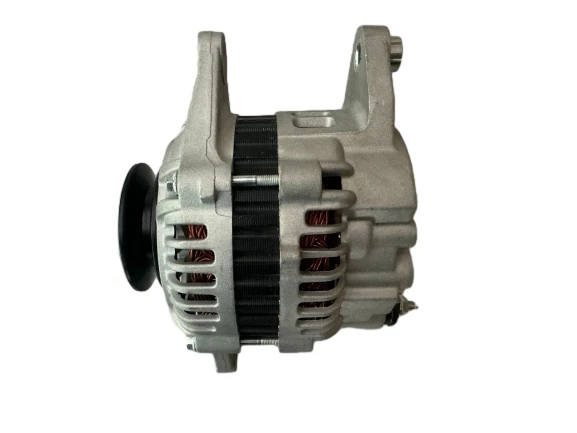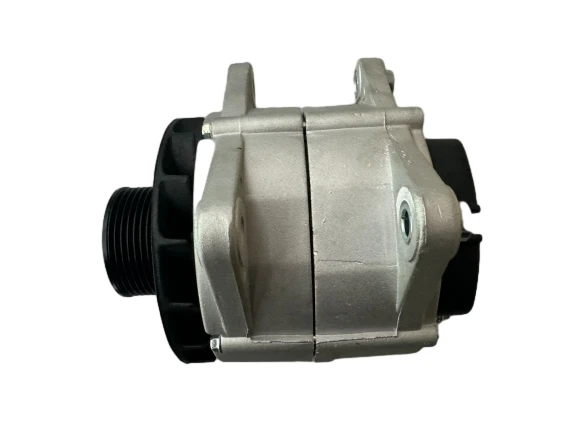
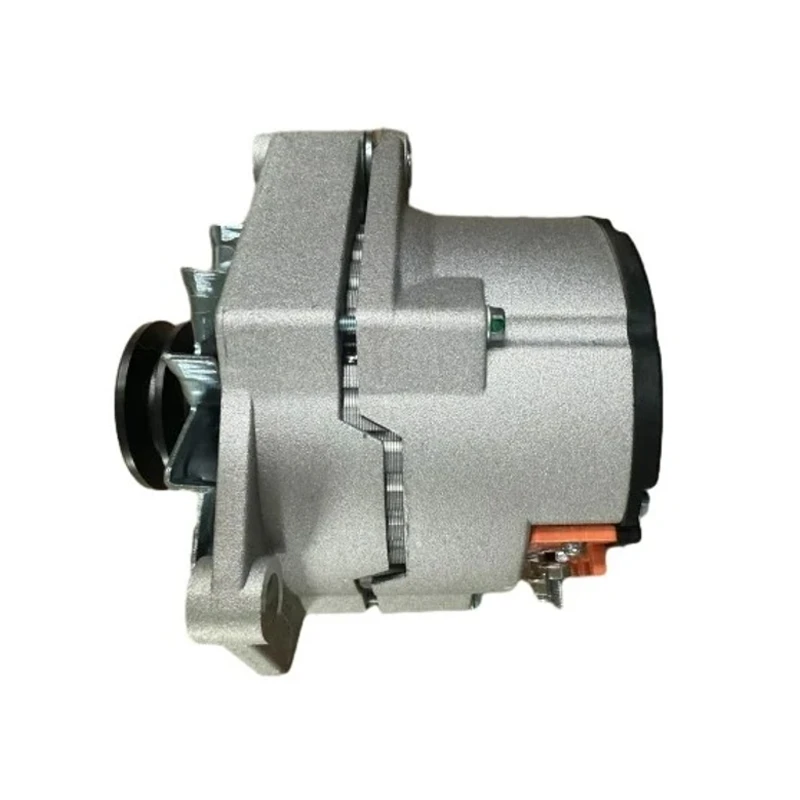
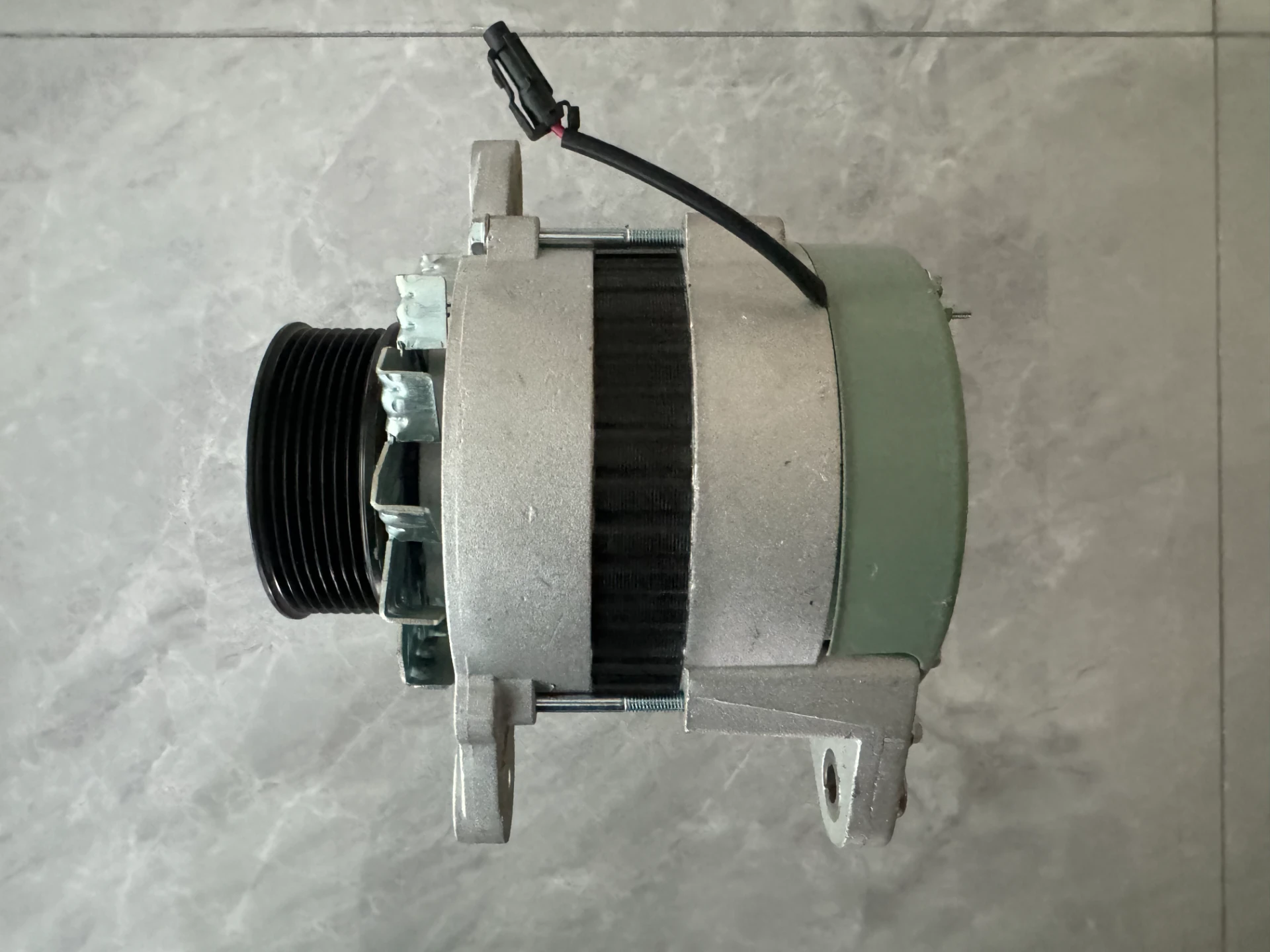
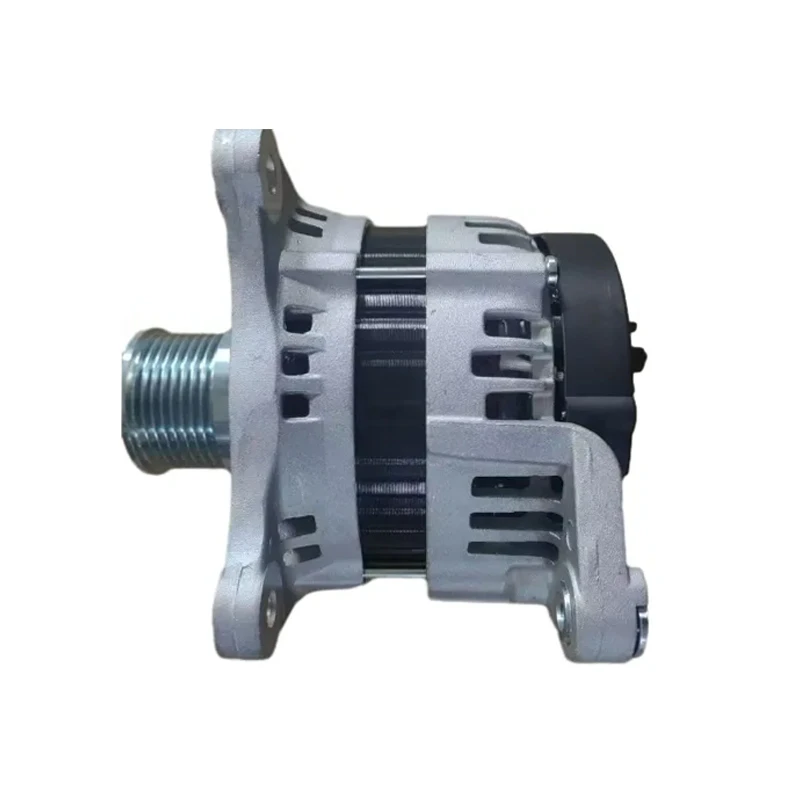
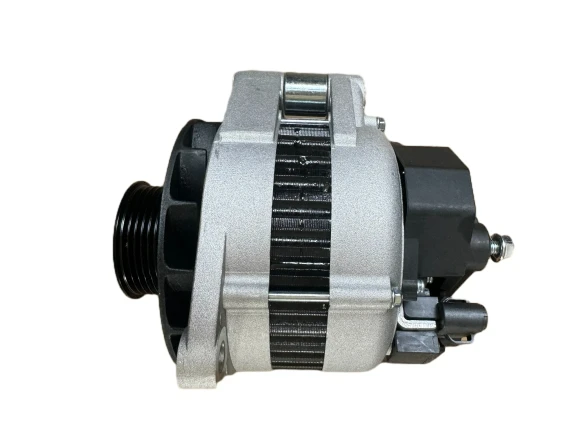
Heavy-Duty diesel alternator Solutions for Russia's Extreme Climates

Engineered for resilience, our charging systems ensure uninterrupted power for commercial fleets across the vast Russian territories, from Moscow to Siberia.

Heavy-Duty diesel alternator Solutions for Russia's Extreme Climates

Providing high-performance electrical charging systems designed to withstand sub-zero temperatures and heavy-duty workloads in the Russian automotive sector.

The Operational Reality of auto alternators in Russia

Navigating the challenges of extreme temperature fluctuations and vast logistical distances.

In Russia, the automotive electrical system faces some of the harshest conditions globally. The extreme contrast between scorching summers and Siberian winters puts immense pressure on automotive alternator components, often leading to premature failure of voltage regulators and bearings due to thermal shock.

The prevalence of heavy-duty logistics across the Eurasian landbridge means that long-haul transport relies heavily on high-capacity charging. The demand for stability in remote regions makes the reliability of the charging system a critical safety factor, rather than just a maintenance concern.

Furthermore, the Russian market is characterized by a diverse mix of aging Soviet-era machinery and modern European imports, necessitating a versatile supply of parts that can offer both legacy compatibility and modern efficiency.
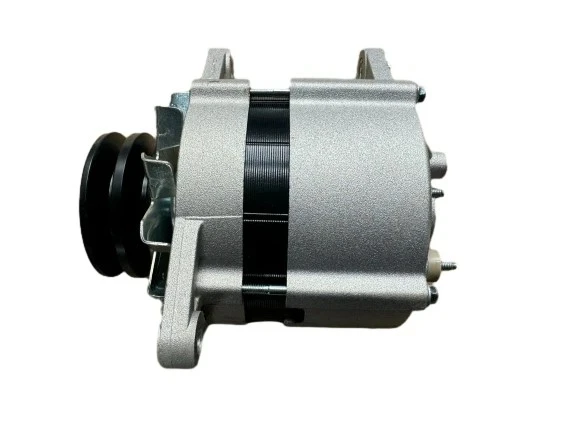
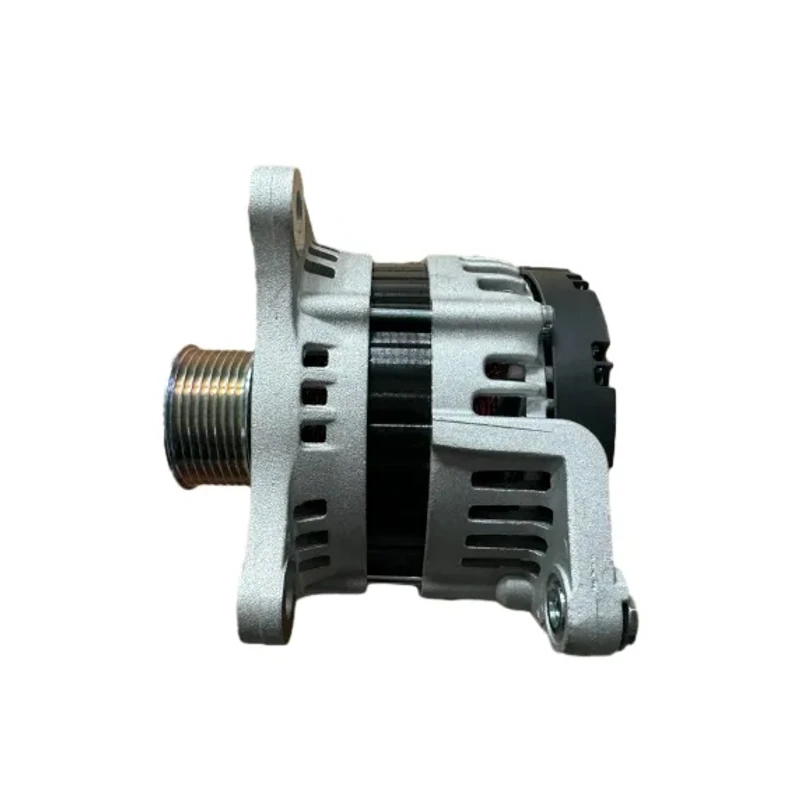
Evolution of Charging Systems in Russia

From basic mechanical regulation to intelligent, high-output energy management.

Market Development History

During the late 20th century, the Russian market relied predominantly on robust but inefficient mechanical alternators. These units were designed for durability over efficiency, focusing on simple construction that could be repaired in field conditions with basic tools.

The early 2000s saw a transition toward electronic voltage regulation. The introduction of European and Asian commercial vehicles pushed the market toward the adoption of more precise high output alternator units to support the increasing electrical load of cabin heating and navigation systems.

By 2015, the shift toward Euro-standard emissions and more complex diesel engines required specialized charging solutions. This era marked the rise of reinforced internal components to handle the vibration and load of modern heavy-duty transport.

Future Development Trends

Smart Charge Management

Integration of LIN-bus and CAN-bus protocols to allow the ECU to optimize alternator output, reducing fuel consumption and engine wear.

Thermal Resilience Engineering

Development of new housing alloys and lubricant types that maintain viscosity at -50°C to prevent bearing seizure in Northern regions.

High-Ampere Modular Designs

Moving toward modularity to allow faster replacement and upgrades in the field, reducing downtime for critical logistics fleets.

Future Outlook for Russian Automotive Charging

Analyzing the shift toward higher efficiency and extreme-duty specifications.

Extreme Cold Adaptation
Focusing on low-temperature start-up efficiency and frost-resistant circuitry for Northern territories.
Enhanced Ampere Capacity
Increasing baseline output to support autonomous heating and advanced telemetry systems in trucks.
Hybrid System Integration
Developing alternators that interface seamlessly with starter-generators for soft-start diesel engines.
Vibration Dampening
Advanced casing designs to reduce mechanical fatigue on rough Russian provincial roads.

Industry Outlook

Google search trends indicate a rising demand for "heavy-duty electrical systems" and "cold-weather charging" within the CIS region. This suggests a market shift toward preventative maintenance and the adoption of premium, high-durability components over cheap, disposable alternatives.

The future will likely see a convergence of automotive charging technology with industrial power standards, as the line between heavy commercial trucks and specialized construction machinery blurs in the Russian infrastructure sector.

Localized Application Scenarios in Russia

Practical implementations of our charging solutions across diverse Russian terrains.

1. Arctic Logistics & Freight

Deploying high-capacity semi truck alternator units for fleets operating in the Yamal Peninsula, where constant battery heating is required to prevent freezing.

2. Ural Mountain Mining Operations

Installation of reinforced diesel alternator systems in dump trucks and excavators operating in high-vibration, dust-heavy mining environments.

3. Siberian Long-Haul Transport

Integration of high-output charging systems for trucks crossing the Amur Highway, ensuring power for sleepers and auxiliary heaters during winter transits.

4. Moscow Urban Distribution

Providing efficient automotive alternator replacements for last-mile delivery vans facing constant stop-and-go traffic and idling.

5. Agricultural Machinery in the Steppes

Customized charging solutions for large-scale tractors and harvesters during the peak harvest season in the Southern Federal District.

Brand Story

Global Development History of Hebei Jiltong Auto Parts Co., Ltd.

Foundational Excellence

Starting with a focus on precision engineering, we established our core competency in electrical component manufacturing, prioritizing durability above all.

Technical Iteration

We transitioned from basic alternator assembly to developing proprietary high-output designs, solving the pain point of insufficient power in modified commercial vehicles.

Global Market Expansion

Expanding into the European and Russian markets, we adapted our product line to meet the rigorous demands of extreme climates and heavy-duty industrial use.

Quality Certification

Achieving international quality standards ensured that our components could be integrated into the world's leading commercial vehicle brands without compromise.

Vision for the Future

Today, we strive to be the global leader in charging solutions, focusing on the intersection of electrical efficiency and extreme-environment resilience.

Comprehensive Charging Portfolio for Russia

From compact passenger vehicle units to massive industrial diesel alternators.

Russia Market Frequently Asked Questions

Expert answers to the most common technical queries in the region.

How to choose the right high output alternator for Siberian winters?

Focus on units with reinforced bearings and low-temperature rated regulators. Ensure the alternator has sufficient amperage to support both the engine start and auxiliary heating systems simultaneously.

What is the average lifespan of a semi truck alternator in heavy-duty logistics?

Depending on the road conditions and maintenance, a premium unit typically lasts 200,000 to 300,000 km. Regular brush inspection is recommended every 100,000 km in dusty environments.

Can a diesel alternator from a different brand be retrofitted into a Russian truck?

Yes, provided the mounting brackets, pulley diameter, and electrical connectors match. We provide custom adaptation guides for common Russian vehicle models.

Why do auto alternators fail more frequently in coastal Russian regions?

High humidity and salt air in coastal areas lead to rapid corrosion of external terminals and internal windings. We recommend using anti-corrosion coatings for these regions.

What are the signs that an automotive alternator is failing in cold weather?

Common signs include flickering headlights, slow engine cranking, or a dashboard battery warning light that appears specifically during cold-start sequences.

How does a high output alternator improve diesel engine performance?

It ensures the battery remains fully charged even under heavy load, reducing the strain on the engine during restarts and providing stable power to electronic fuel injection systems.

Ready to Upgrade Your Fleet?

Contact our specialists today for customized charging solutions tailored specifically for the operational demands of Russia.

Contact Us Now

If you are interested in our products, you can choose to leave your information here, and we will be in touch with you shortly.