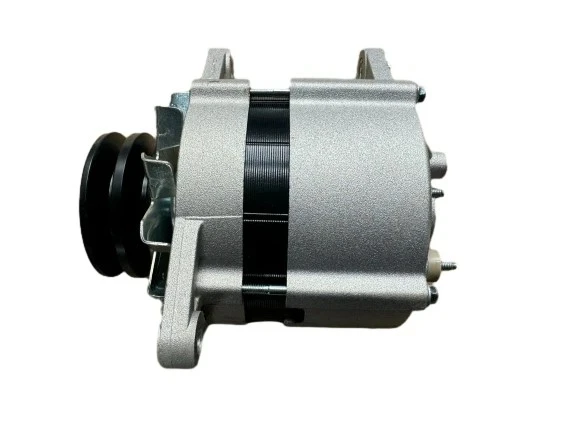
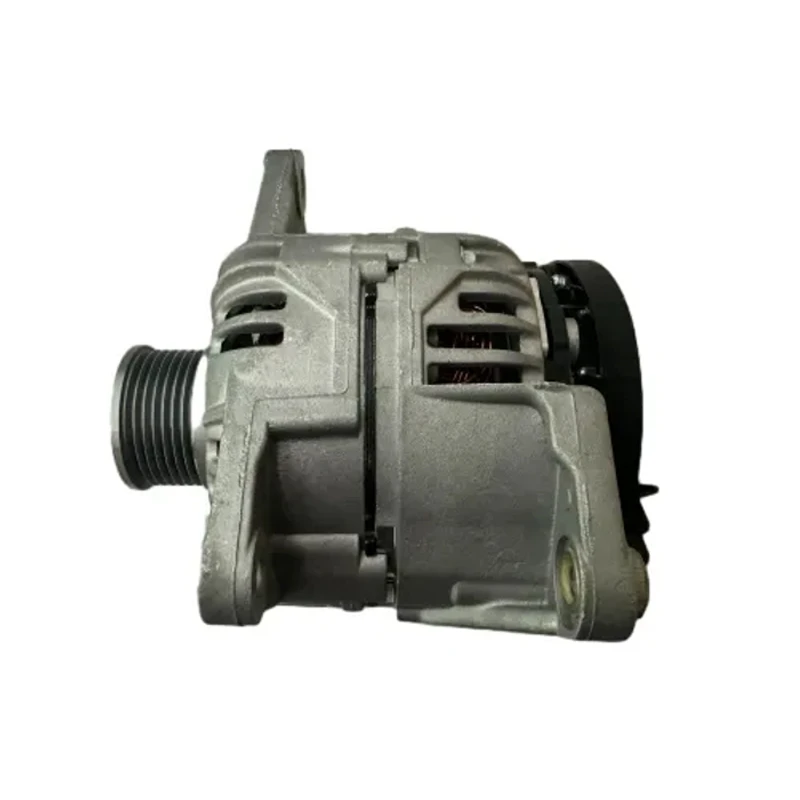
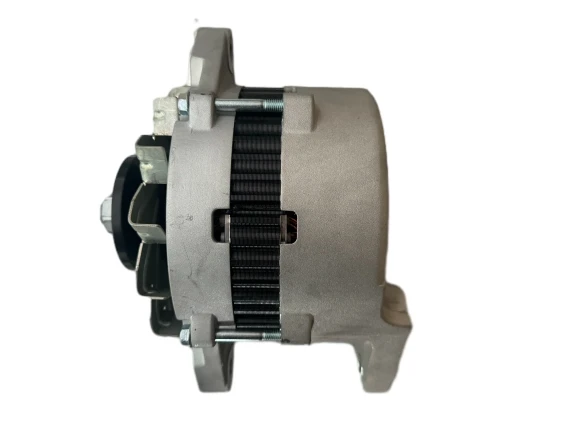
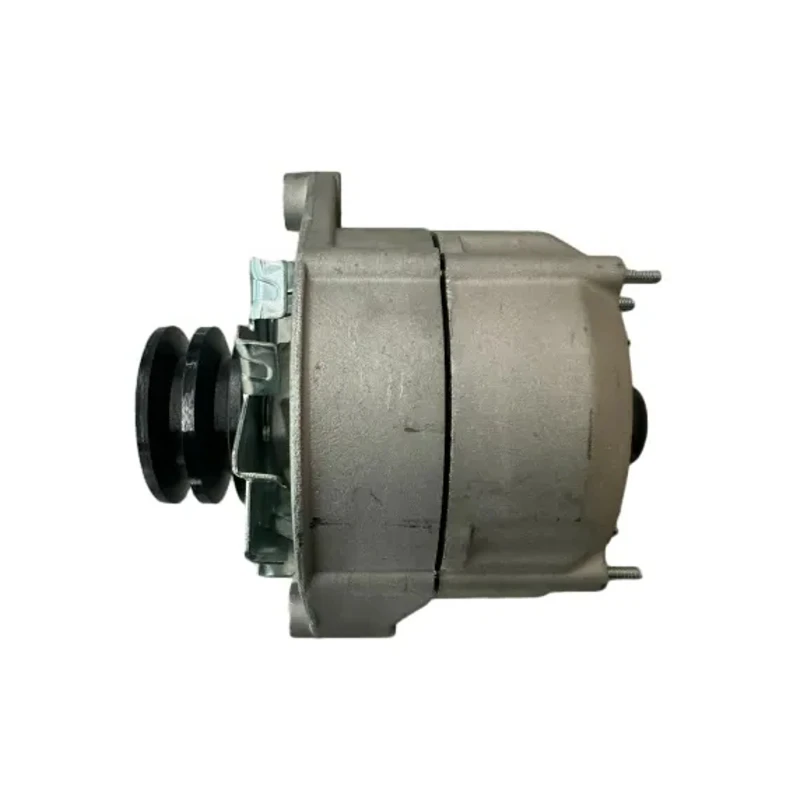
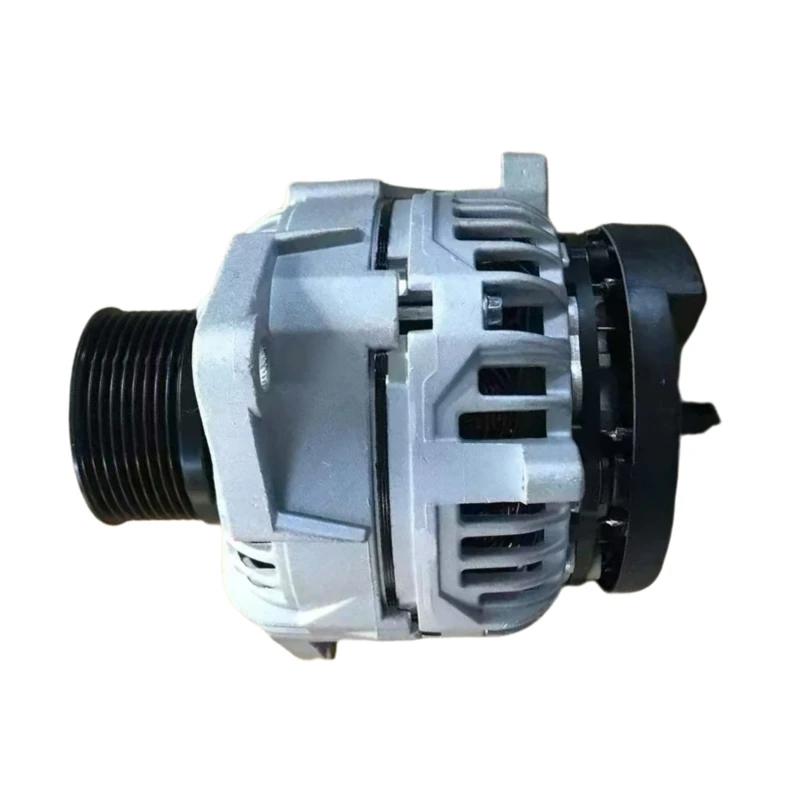
High-Performance diesel alternator Solutions for Libya

Engineered to withstand extreme Saharan heat and dust, providing unmatched electrical stability for Libya's demanding automotive and industrial sectors.

High-Performance diesel alternator Solutions for Libya

Providing durable, high-capacity charging systems specifically optimized for the rugged terrains and climatic extremes of the Libyan landscape.

The Charging System Landscape in Libya

Analyzing the impact of environmental stressors on automotive electrical components in North Africa.

In Libya, the automotive sector faces severe challenges due to the combination of extreme high temperatures and pervasive sand ingress. Standard auto alternators often suffer from premature diode failure and overheating when operating in the Sahara's arid climate, leading to frequent vehicle breakdowns in remote areas.

The local economy relies heavily on heavy-duty transport for oil and gas logistics. Consequently, there is a critical demand for a robust automotive alternator that can maintain a steady voltage output despite the fluctuations caused by heat-induced resistance in the wiring.

Furthermore, the prevalence of diesel-powered fleets for construction and transport means that a specialized semi truck alternator is not just a preference but a necessity for ensuring operational continuity across the vast distances between Tripoli and Benghazi.
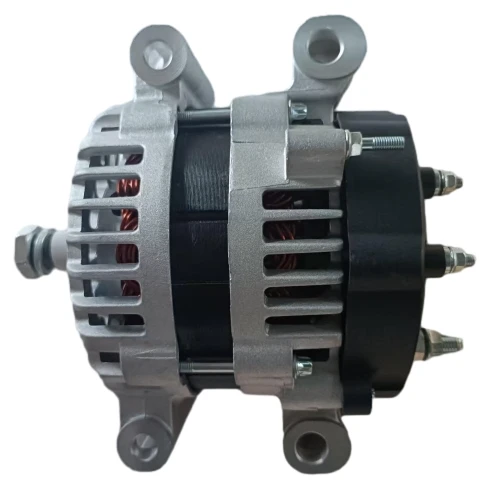
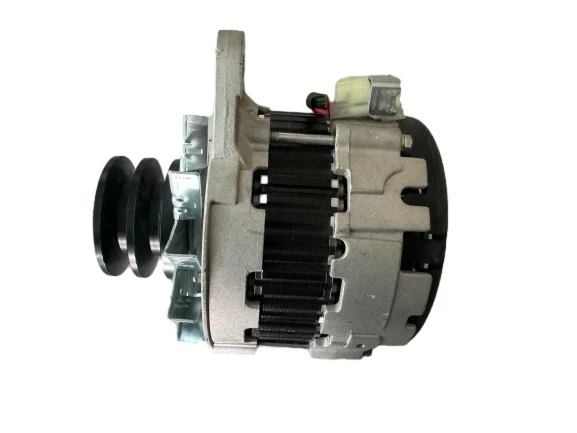
Evolution of Power Generation in Libya

From basic mechanical charging to intelligent, high-output electronic regulation.

Market Development History

During the late 20th century, the Libyan market was dominated by basic mechanical charging systems. These early iterations lacked efficient heat dissipation, making them prone to failure during the peak summer months when ambient temperatures exceed 45°C.

By the early 2010s, a shift toward electronic voltage regulators occurred. This transition allowed for more stable power delivery, reducing the risk of battery overcharging and extending the lifespan of the high output alternator units used in heavy machinery.

Currently, the market is evolving toward "extreme-environment" specifications, where components are sealed against fine silica dust and utilize high-grade copper windings to maximize efficiency in low-airflow conditions.

Future Development Trends

Smart Charging Integration

Integration of LIN-bus and CAN-bus communication to allow the ECU to optimize alternator load based on real-time battery health.

Advanced Thermal Management

Adoption of aerospace-grade heat sinks and improved internal cooling fans to prevent thermal throttling in desert environments.

Eco-Friendly High-Efficiency Core

Migration toward cobalt-free magnets and recycled aluminum housings to align with emerging global sustainability standards in the automotive industry.

Future Outlook of Power Systems in Libya

Strategic projections for the next 3-5 years based on regional infrastructure growth.

Climate-Resilient Design
Shift towards IP67-rated housings to eliminate dust contamination and moisture corrosion.
Heavy-Duty Fleet Upgrades
Increased adoption of high-ampere units to support expanded auxiliary electronic systems in trucks.
Hybrid System Support
Development of charging units capable of interfacing with mild-hybrid starter-generators.
Digital Diagnostic Integration
Moving toward predictive maintenance where alternators signal failure before total collapse.

Industry Outlook

Google search trends indicate a rising interest in "heavy-duty electrical components" across North Africa, mirroring Libya's reconstruction efforts and the expansion of its logistics corridors. The shift is moving away from generic replacements toward application-specific engineering.

As Libya modernizes its transport fleet, the demand for components that bridge the gap between traditional durability and electronic efficiency will drive the market. Companies that offer guaranteed thermal stability will dominate the local supply chain.

Local Application Scenarios in Libya

Real-world deployments of our charging solutions in the Libyan environment.

1. Oil & Gas Field Transport

Deploying high-capacity high output alternator units in 4x4 vehicles operating in the Sirte Basin to power advanced GPS and satellite communication arrays in remote zones.

2. Long-Haul Logistics (Tripoli to Benghazi)

Utilizing heavy-duty semi truck alternator systems in transport fleets to ensure that refrigeration units for food transport remain powered throughout the journey.

3. Construction & Infrastructure Projects

Integrating rugged diesel alternator components into excavators and bulldozers used for urban reconstruction, ensuring reliable starts in dust-heavy environments.

4. Desert Emergency Services

Equipping rescue vehicles with reinforced automotive alternator units to ensure auxiliary lighting and medical equipment stay charged during prolonged rescue missions.

5. Agricultural Irrigation Machinery

Providing specialized auto alternators for diesel-powered water pumps in rural farming regions, where stability is key to preventing crop loss during power outages.

Brand Story

Global Development Journey of Hebei Jiltong Automotive Parts Co., Ltd.

Foundation & Technical Roots

Established with a focus on precision engineering, we began by solving the core problem of electrical instability in commercial vehicles.

Quality Standardization

We implemented rigorous ISO standards to ensure every unit could withstand the most extreme global climates, from frozen tundras to Saharan deserts.

Global Market Expansion

Expanding our footprint into Africa and the Middle East, tailoring our designs to meet the high-heat demands of regional transport fleets.

Innovation in Power Output

Developing the next generation of high-ampere alternators to support the electrification of truck accessories and advanced onboard electronics.

Commitment to Sustainability

Focusing on longevity and recyclability, reducing the total cost of ownership for our global partners in the automotive sector.

Libya Automotive Electrical FAQ

Expert answers to common questions regarding alternator performance in desert climates.

Why do auto alternators fail more frequently in Libya's heat?

Excessive heat causes the internal diode bridge to overheat and the insulation on the copper windings to degrade. Our units use high-temperature rated components to prevent this.

What are the benefits of a high output alternator for desert vehicles?

Vehicles in the desert often run high-power air conditioning and auxiliary lighting. A high output unit ensures the battery remains charged despite these heavy electrical loads.

How does a diesel alternator differ in heavy-duty applications?

Diesel engines typically have higher vibration levels and different RPM ranges. Our diesel-specific units are reinforced to handle these mechanical stresses without failing.

Can a semi truck alternator be upgraded for better performance?

Yes, by upgrading to a high-ampere version of the same fitment, you can increase the available current for electronic logging devices and sleeper-cab amenities.

How to protect an automotive alternator from Saharan sand?

We recommend units with enhanced sealing on the rear housing and periodic cleaning of the cooling vents to prevent sand buildup from blocking airflow.

What is the average lifespan of a heavy-duty alternator in Libya?

With standard units, failure often occurs within 2 years. Our reinforced, climate-optimized units are designed to double that lifespan through superior thermal management.

Ready to Upgrade Your Fleet's Power?

Our technical experts are ready to provide customized electrical solutions tailored for the unique demands of Libya.

Contact Us Now

If you are interested in our products, you can choose to leave your information here, and we will be in touch with you shortly.