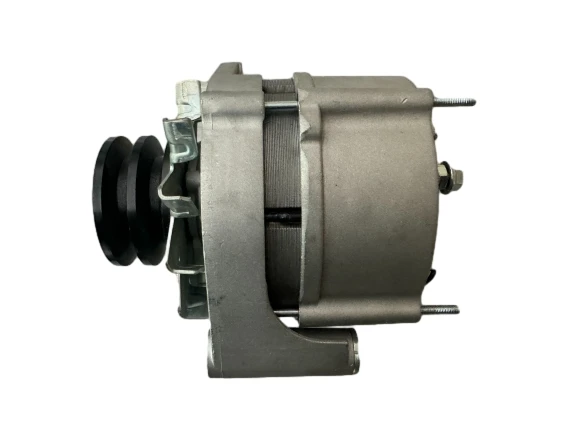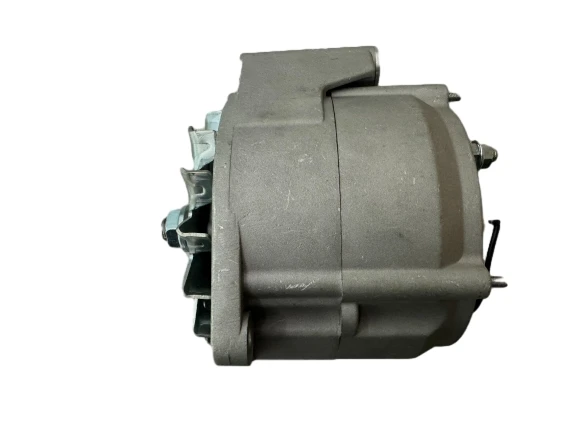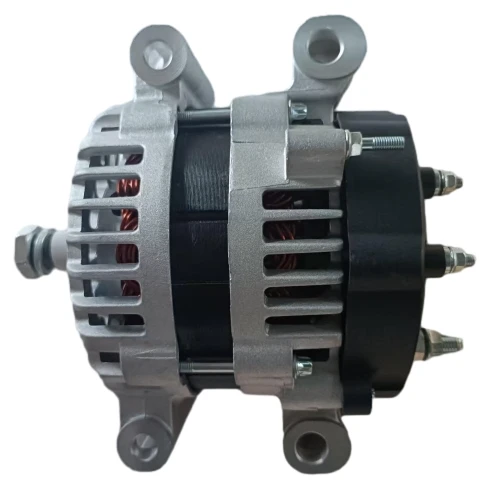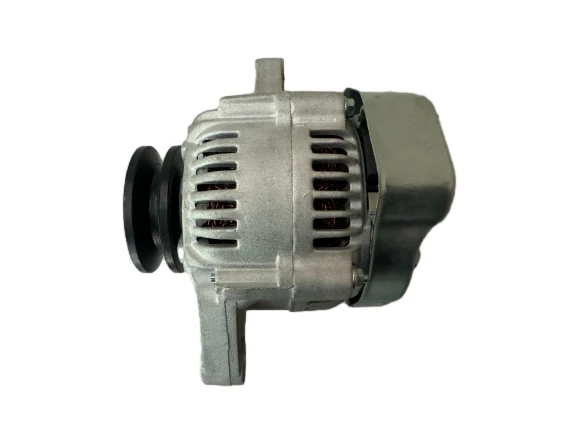
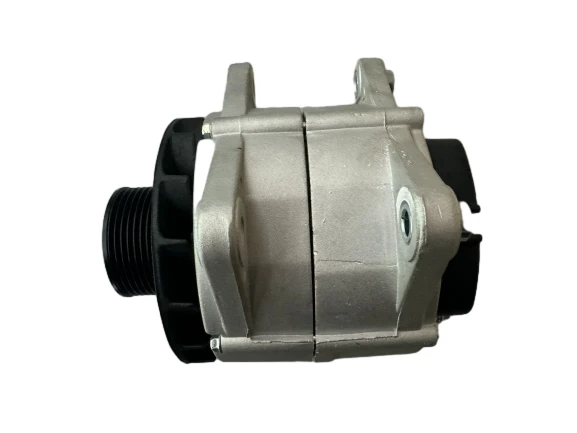
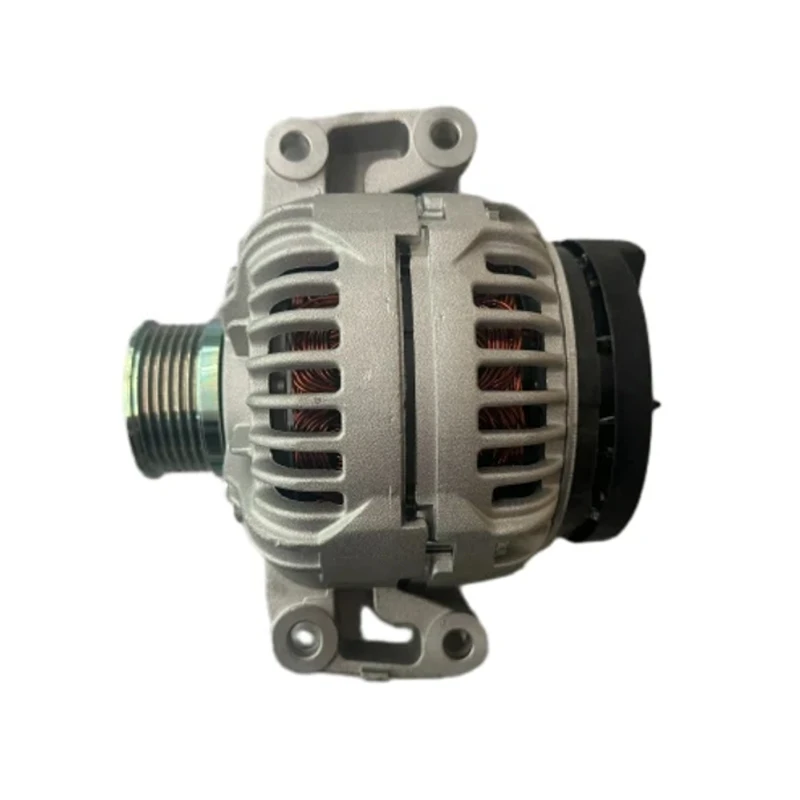
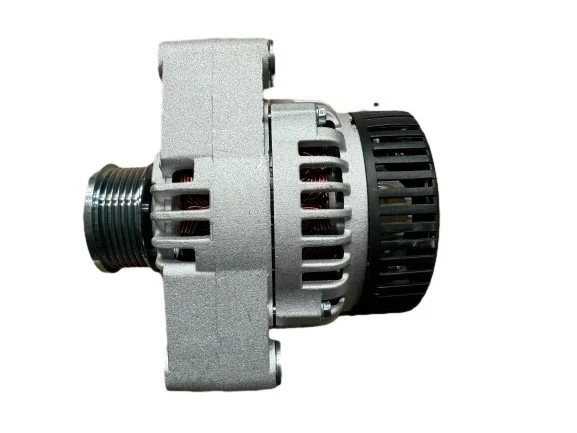
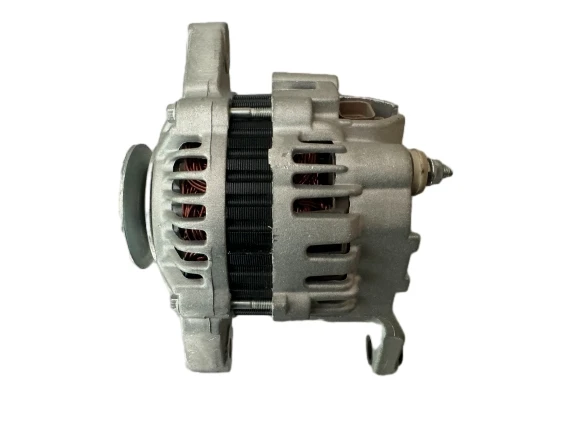
In Zambia, the automotive sector is heavily reliant on robust electrical systems due to the demanding nature of the mining and agricultural industries. The prevalence of dust and extreme temperature fluctuations in regions like the Copperbelt puts immense pressure on every automotive alternator, leading to premature wear of brushes and voltage regulator failure.
The logistical reliance on long-haul transport between Lusaka and the border towns necessitates the use of high-reliability semi truck alternator units. Frequent idling in high heat and the vibration caused by unpaved rural roads often lead to mechanical fatigue in standard charging systems, creating a critical demand for industrial-grade durability.
Furthermore, the Zambian market is seeing a shift toward modernized fleets, yet many vehicles still operate on legacy diesel engines. This creates a unique gap where high-efficiency auto alternators must be compatible with both older mechanical systems and newer electronic control units (ECUs) to maintain fleet versatility.