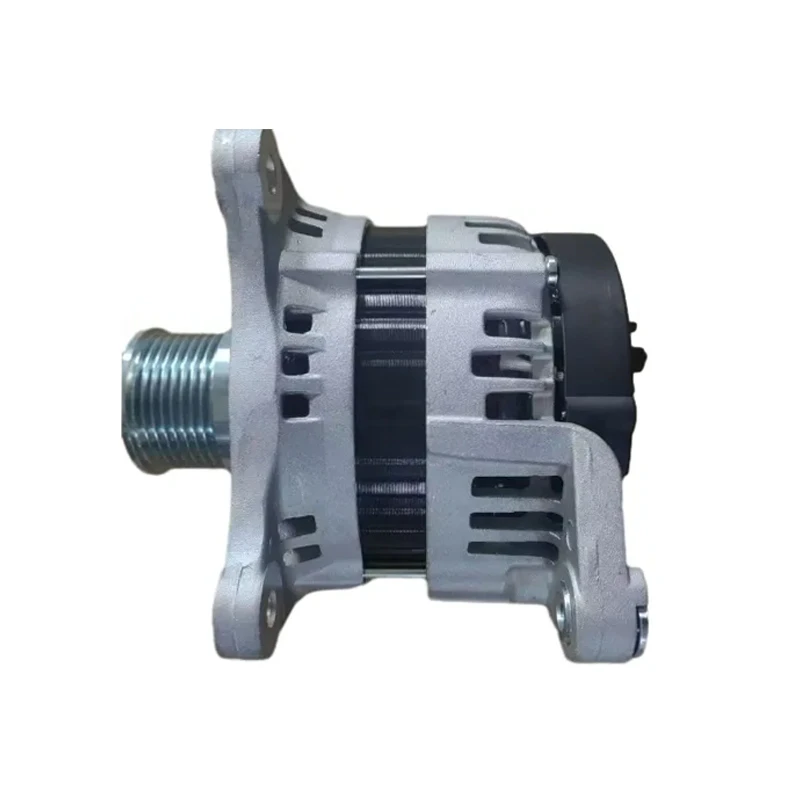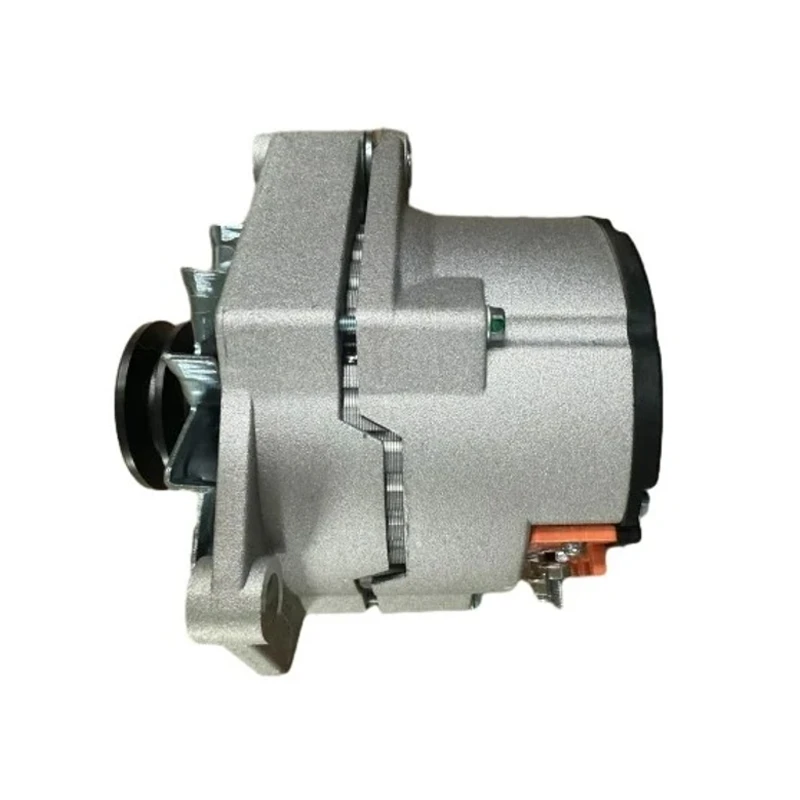
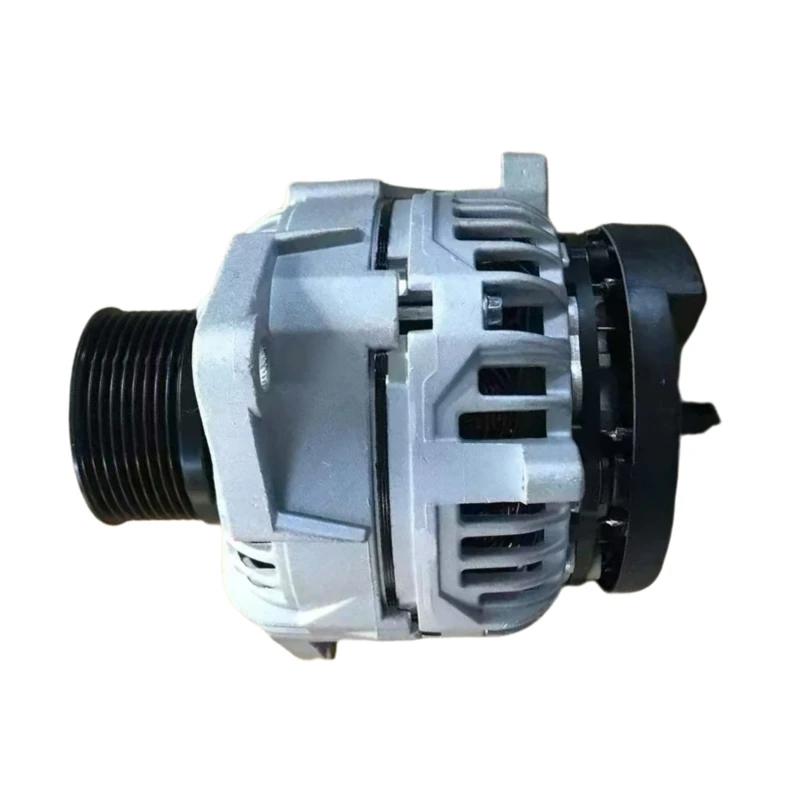
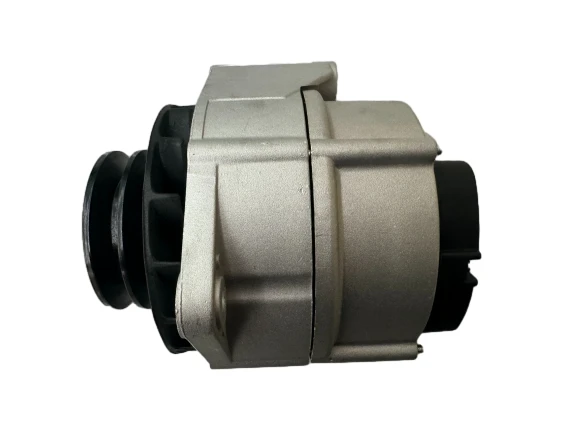
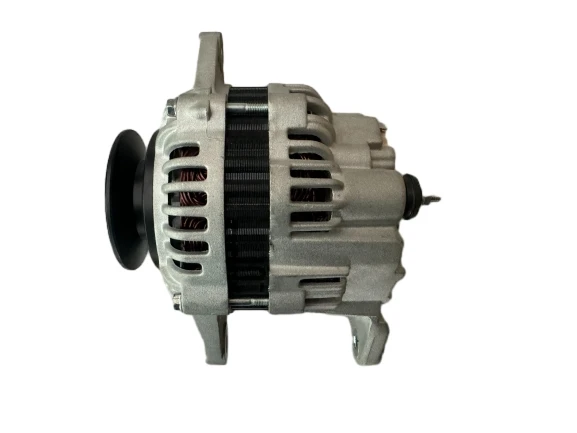
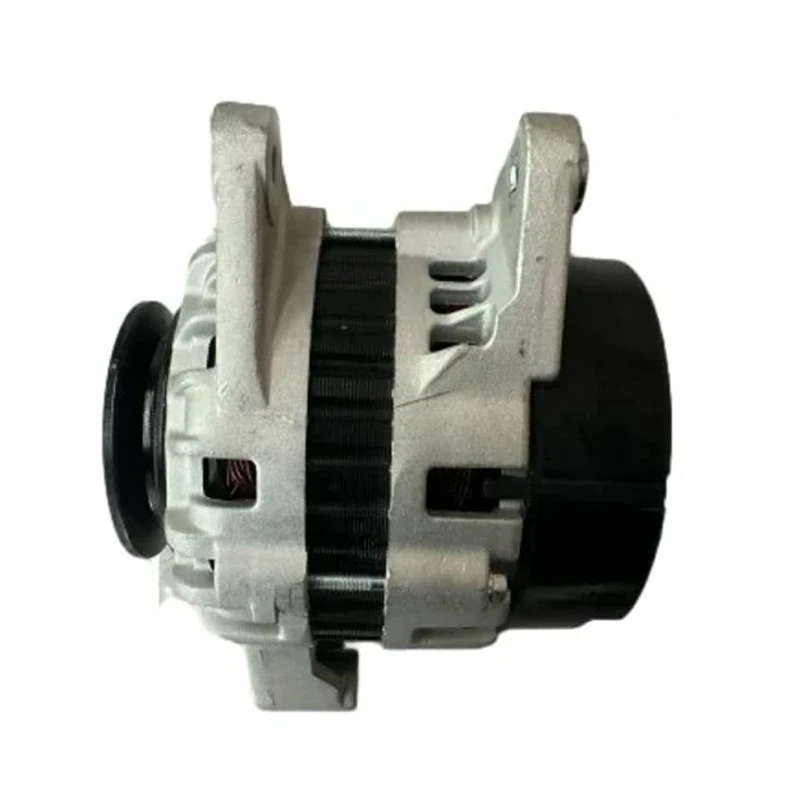
Indonesia High Performance Diesel Alternator Solutions

Engineering reliable power systems for Indonesia's demanding tropical climate and heavy-duty industrial logistics.

Indonesia High Performance Diesel Alternator Solutions

Providing world-class electrical charging systems tailored for the Indonesian automotive and industrial market, ensuring maximum uptime for commercial fleets.

Current Landscape of Charging Systems in Indonesia

Addressing the challenges of high humidity and extreme heat on electrical components.

Indonesia's unique equatorial climate presents significant challenges for auto alternators. High humidity and constant heat acceleration lead to faster degradation of voltage regulators and diode bridges, making heat dissipation a critical technical requirement for any automotive electrical component operating in Jakarta or Surabaya.

The rapid expansion of mining and palm oil plantations in Kalimantan and Sumatra has surged the demand for heavy-duty semi truck alternator units. These vehicles operate in remote, rugged terrains where a charging failure can result in costly operational downtime and logistical bottlenecks.

Currently, the market is transitioning from basic replacements to high-efficiency upgrades. Indonesian fleet managers are increasingly seeking components that can handle the increased electrical loads of modern GPS tracking and refrigeration systems, moving away from generic parts toward specialized industrial solutions.
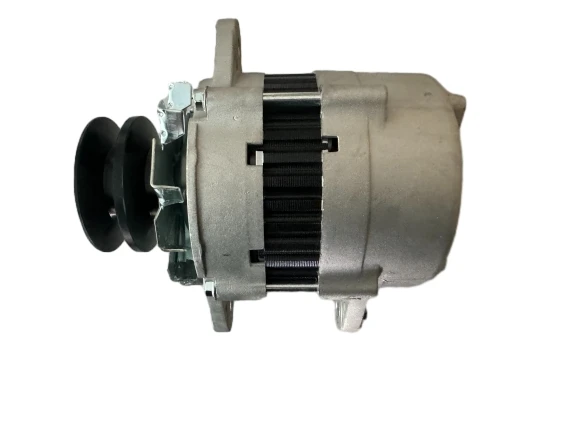
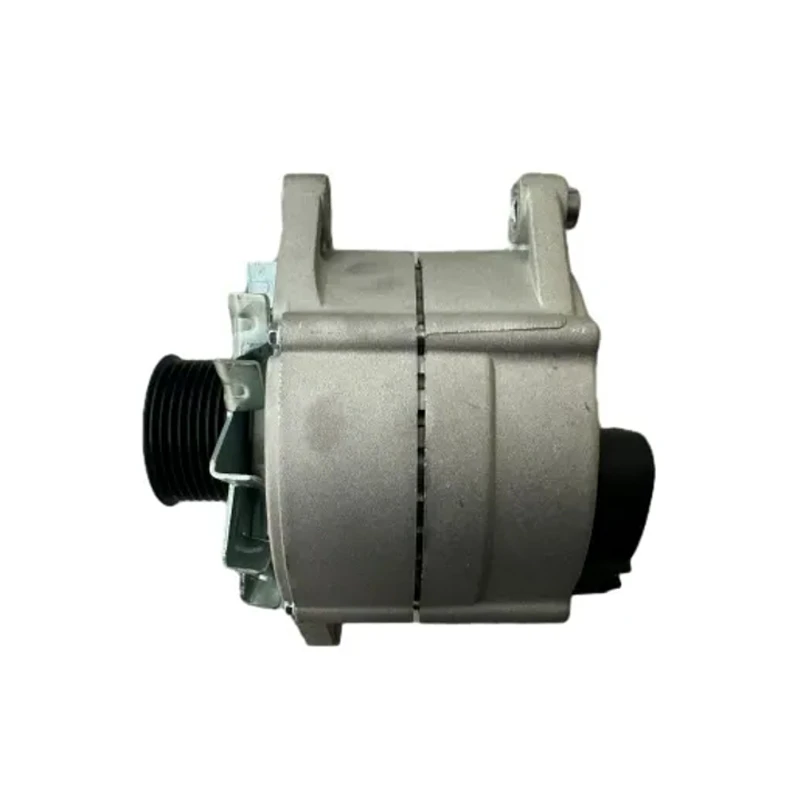
Evolution of Indonesian Charging Technology

From basic mechanical regulation to smart, high-output electrical systems.

Market Development History

In the early 2000s, the Indonesian market relied heavily on basic mechanical automotive alternator designs. These were sufficient for simple engines but often failed under the heavy load of regional commercial transport.

Between 2010 and 2018, there was a significant shift toward electronic voltage regulation. This period saw the introduction of reinforced housings and improved cooling fans to combat the tropical heat, reducing the frequency of alternator burnout in city traffic.

From 2019 to the present, the industry has entered the "High-Efficiency Era," where high output alternator technology has become standard for modified commercial vehicles and specialized industrial machinery used in Indonesia's infrastructure projects.

Future Development Trends

Smart Charging Integration

Integration of ECU-controlled charging to optimize fuel efficiency and extend battery life across Indonesian logistics networks.

Enhanced Thermal Management

Adoption of advanced alloys and liquid-cooling interfaces to ensure stability in ambient temperatures exceeding 35°C.

Hybrid-Ready Components

Development of charging systems compatible with mild-hybrid diesel engines to meet emerging emission standards in urban centers.

Industry Trends and Future Outlook

Navigating the shift toward higher electrical demands and sustainable energy.

High-Current Capacity
Increasing demand for amplifiers to support additional on-board electronics in heavy trucks.
Tropicalization Standards
Enhanced sealing and anti-corrosion coatings to resist Indonesia's salt-air and humidity.
Predictive Maintenance
Integration of sensors to detect voltage drops before total system failure.
Sustainability Focus
Optimizing charging efficiency to reduce the overall carbon footprint of diesel fleets.

Industry Outlook

Over the next 3-5 years, Google search trends indicate a growing interest in "energy efficient diesel components" within Southeast Asia. This suggests that Indonesian operators will prioritize alternators that offer a higher ratio of output to mechanical drag.

We anticipate a consolidation of the market where high-reliability brands that offer local support and heat-resistant specifications will dominate over low-cost, generic imports that cannot withstand the local environment.

Localized Application Scenarios in Indonesia

Real-world deployment of charging solutions across diverse Indonesian sectors.

1. Palm Oil Logistics in Sumatra

Heavy-duty trucks transporting raw palm fruit through muddy plantation roads require robust alternators that can sustain high electrical loads for winches and auxiliary lighting in rainy conditions.

2. Mining Operations in Kalimantan

Off-road diesel haulers operating 24/7 in dust-heavy environments utilize specialized alternators with reinforced seals to prevent particulate ingress and overheating.

3. Urban Transit in Jakarta

Public transport buses facing extreme stop-and-go traffic in high heat rely on high-efficiency charging systems to power air conditioning without draining the battery.

4. Inter-Island Logistics Shipping

Diesel generators and truck fleets at ports require salt-corrosion resistant components to maintain electrical stability in coastal humid air.

5. Agricultural Machinery in Java

Small to medium diesel tractors used in rice farming utilize compact, reliable charging units designed for high torque and low maintenance intervals.

Brand Story

Global Development History of Hebei Jintang Automotive Parts Co., Ltd.

Foundation and Precision

Established with a focus on high-precision engineering, we began by solving the fundamental instability of charging systems in commercial vehicles.

Technical Breakthroughs

Developed proprietary heat-dissipation technology that allowed our units to operate 20% longer in extreme temperatures compared to industry standards.

Global Market Expansion

Expanded our reach into Southeast Asia, specifically tailoring our product line to meet the unique climate demands of Indonesia and Thailand.

Quality Certification

Achieved international quality certifications, ensuring every unit meets rigorous durability tests for heavy-duty industrial use.

The Future of Power

Now leading the way in smart charging solutions, aiming to eliminate unexpected electrical failures for fleets worldwide.

Complete Charging Portfolio for the Indonesian Market

From light commercial vehicles to heavy-duty industrial diesel machinery.

Indonesian Market FAQ

Expert answers to common technical questions regarding automotive electrical systems.

How does the Indonesian climate affect the lifespan of auto alternators?

High ambient temperatures and humidity in Indonesia increase the risk of overheating and corrosion. Using units with enhanced cooling fans and anti-corrosive coatings is essential for longevity.

When should I upgrade to a high output alternator for my commercial fleet?

Upgrade when you add auxiliary electronics such as heavy-duty air conditioning, GPS systems, or additional lighting, which exceed the capacity of a standard automotive alternator.

What are the common signs of a failing semi truck alternator in heavy-duty use?

Common signs include flickering dashboard lights, a battery warning light, a whining noise from the belt area, or a noticeable drop in electrical power under load.

Are diesel alternator units more durable than gasoline versions for mining?

Yes, diesel-specific units are typically designed for higher vibration levels and more rigorous duty cycles common in mining and industrial applications.

How can I prevent alternator failure in dusty environments like Kalimantan?

Regularly cleaning the cooling vents and using alternators with high-grade dust sealing prevents buildup that leads to overheating and premature failure.

What is the typical replacement interval for automotive alternators in tropical regions?

Depending on usage, we recommend a full electrical system check every 12 months and considering replacement every 3-5 years in high-stress tropical environments.

Request Technical Consultation

Get professional guidance on the best charging solutions for your fleet in Indonesia.

Contact Us Now

If you are interested in our products, you can choose to leave your information here, and we will be in touch with you shortly.