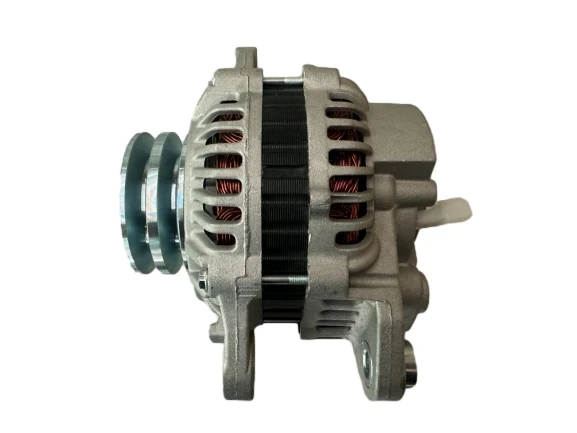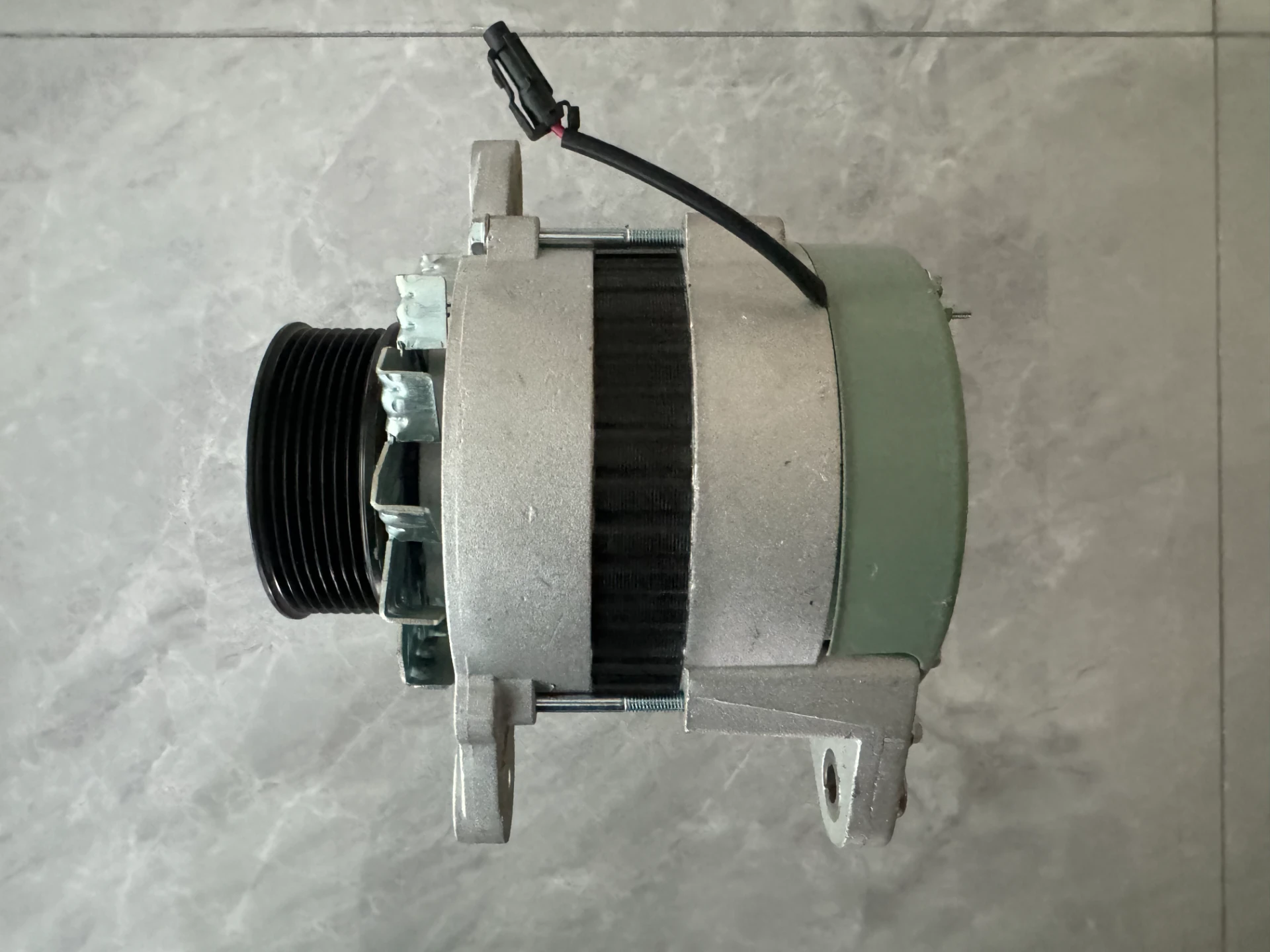
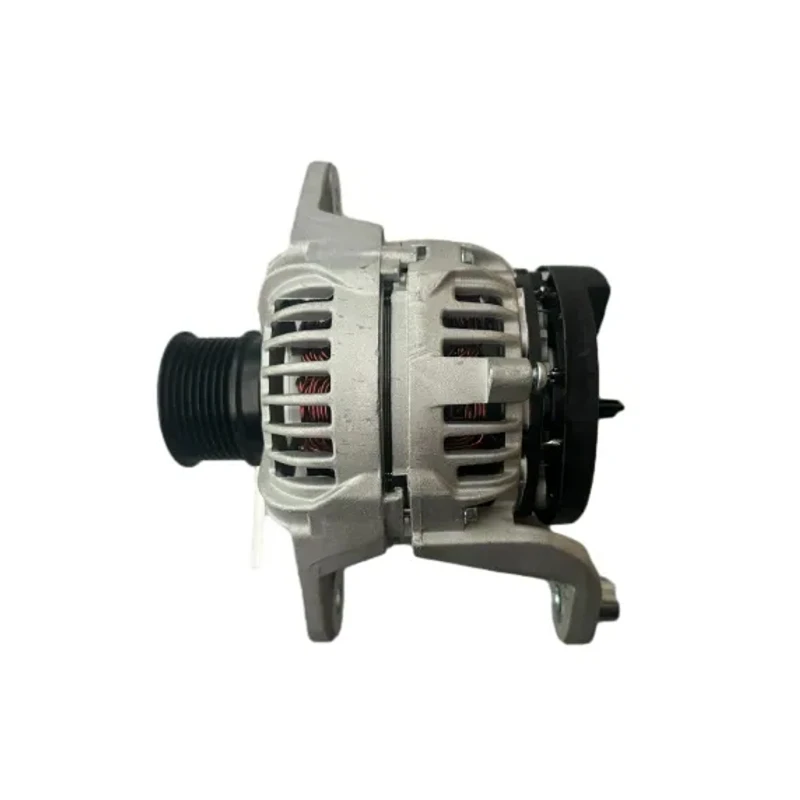
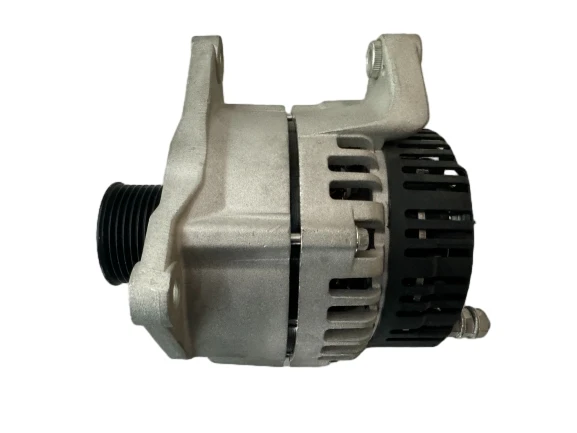
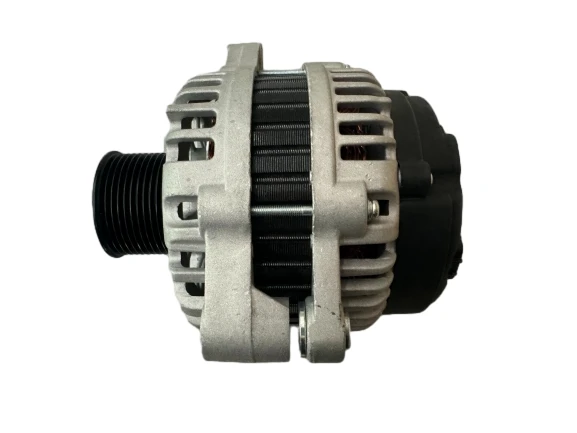
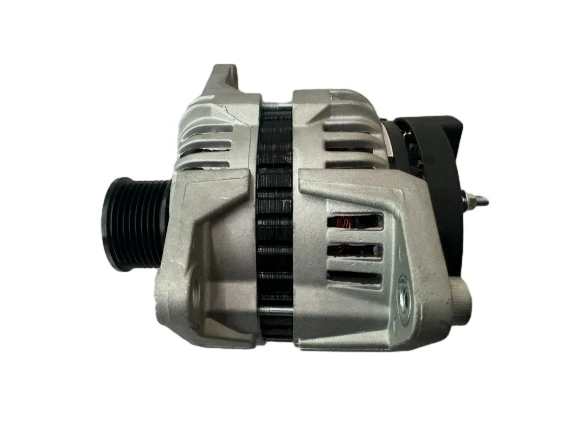
Premium high output alternator Solutions for Ecuador's Heavy-Duty Fleet

Engineering high-performance charging systems designed to withstand the unique climatic and topographical challenges of the Ecuadorian Andean and Coastal regions.

Premium high output alternator Solutions for Ecuador's Heavy-Duty Fleet

Providing the most reliable electrical power generation components for commercial vehicles across Ecuador, ensuring maximum uptime in the most demanding environments.

The State of Charging Systems in Ecuador

Analyzing the impact of altitude and humidity on automotive electrical components.

In Ecuador, the automotive electrical landscape is heavily influenced by the extreme contrast between the humid coastal plains and the high-altitude Andean highlands. The need for a robust automotive alternator is paramount, as thinning air at high altitudes can lead to overheating in standard units, reducing the efficiency of voltage regulation.

The logistics sector, which relies heavily on the transport of agricultural products and minerals, demands highly durable semi truck alternator units. These vehicles frequently traverse steep gradients where engine loads are maximized, placing immense stress on the charging circuit and requiring components that can handle sustained high-current output.

Furthermore, the prevalence of diesel-powered machinery in the mining and oil sectors of the Oriente region makes the diesel alternator a critical component. These environments are characterized by dust and moisture, necessitating superior sealing and corrosion resistance to prevent premature failure of the internal diodes and brushes.
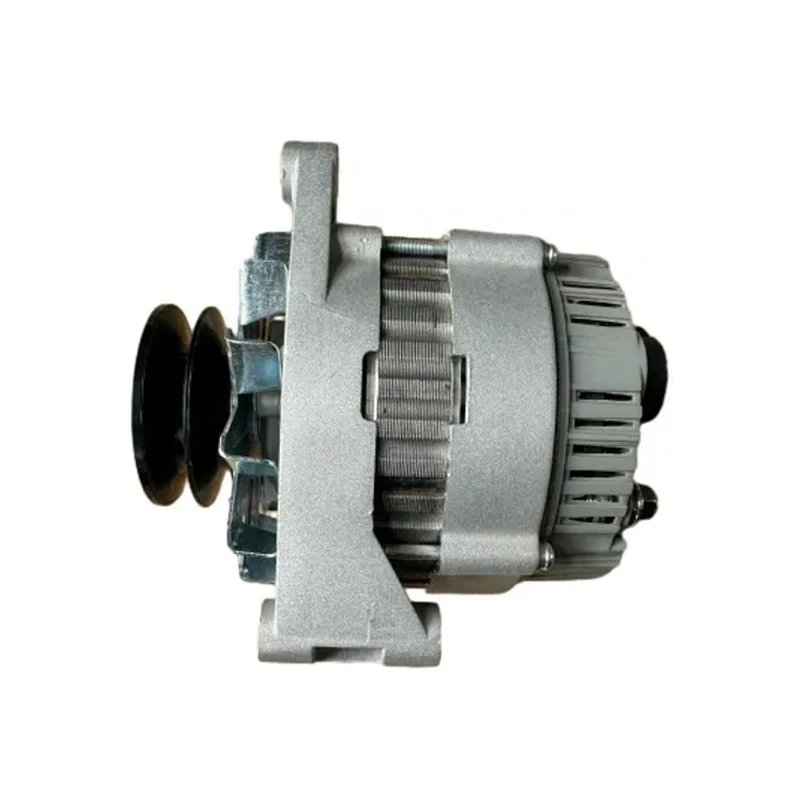
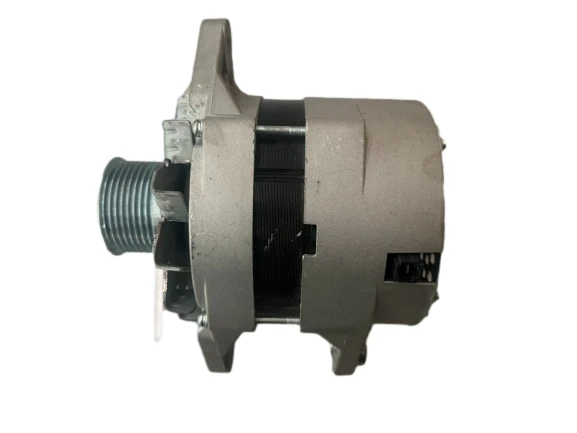
Evolution of Power Generation in Ecuador

From basic mechanical regulation to intelligent digital charging.

Market Development History

Historically, the Ecuadorian market relied on basic mechanical auto alternators that lacked the precision required for modern electronics. In the early 2000s, the transition began toward electronic voltage regulators to better handle the fluctuations caused by varying engine speeds during mountain climbs.

Between 2010 and 2020, the industry saw a shift toward high-amperage units. As fleets integrated more GPS, refrigeration units, and telemetry, the standard output became insufficient, leading to the widespread adoption of the high output alternator to support increased parasitic loads.

Today, the focus has moved toward "smart charging." Modern systems now integrate with the vehicle's ECU to optimize fuel efficiency and reduce emissions, marking a transition from simple power supply to integrated energy management.

Future Development Trends

Smart Voltage Control

Integration of intelligent regulators that adjust output based on real-time battery State of Charge (SoC) to reduce engine drag and improve fuel economy.

Extreme Environment Hardening

Development of specialized housings and thermal management systems specifically for the high-humidity coastal and low-oxygen highland regions of Ecuador.

Hybrid-Ready Components

As Ecuador explores greener transport, alternators are evolving to support mild-hybrid systems, acting as bridges between traditional combustion and electrification.

Industry Outlook & Future Prospects

Predicting the trajectory of electrical components for the next 5 years.

Increased Ampere Demand
Rise in auxiliary electronic equipment in trucks will drive the demand for higher current capacity.
Thermal Resilience
Development of advanced cooling fins for better heat dissipation in high-altitude Andean environments.
Material Innovation
Use of copper alloys and reinforced plastics to combat corrosion in coastal salt-air environments.
Digital Diagnostics
Integration of IoT sensors for predictive maintenance, reducing fleet downtime across Ecuador.

Industry Outlook

Based on Google search trends in the South American region, there is a growing shift toward "heavy-duty reliability" and "energy efficiency." In Ecuador, this translates to a demand for components that can reduce the total cost of ownership (TCO) by extending the service interval of charging systems.

The future will see a convergence of power electronics and sustainable materials. As the Ecuadorian government encourages more efficient logistics, the industry will move away from generic parts toward precision-engineered solutions that match the specific load profiles of local semi-truck and diesel fleets.

Localized Application Scenarios in Ecuador

Real-world deployment of high-performance charging systems across diverse terrains.

1. High-Altitude Andean Transport

Semi-trucks transporting goods from Quito to Guayaquil face extreme elevation changes. Our high-capacity alternators ensure stable voltage despite reduced cooling efficiency in thin mountain air.

2. Coastal Humidity Logistics

For fleets operating in Guayaquil's humid environment, we provide units with enhanced anti-corrosive coatings to prevent oxidation of the external casing and terminals.

3. Amazonian Diesel Machinery

Heavy mining and oil exploration equipment in the Oriente region requires specialized diesel alternators capable of filtering out heavy dust and operating in high-moisture jungles.

4. Agricultural Transport in the Coast

Banana and shrimp transport trucks often run multiple refrigeration units. Our high-output solutions prevent battery drain during long idling periods in hot coastal weather.

5. Urban Transit in Quito/Guayaquil

Public buses with high passenger loads and extensive interior lighting/USB charging require stable, high-amperage output to maintain electrical stability across stop-and-go traffic.

Brand Story

Global Development History of Hebei Jinlitong Automotive Parts Co., Ltd.

Foundation & Core Engineering

Established with a mission to solve the instability of charging systems, we began by perfecting the internal winding and rectifier quality for commercial vehicles.

Technological Breakthroughs

Invested in R&D to create high-efficiency regulators that could withstand voltage spikes, significantly reducing the failure rate in heavy-duty applications.

Global Expansion

Expanded our footprint into South American markets, tailoring our product line to meet the rigorous demands of terrains like the Ecuadorian Andes.

Quality Certification

Achieved international ISO certifications, ensuring every unit produced meets the highest global standards for durability and electrical safety.

Future Vision

Committed to leading the transition toward smart energy management, providing the world with more efficient and sustainable automotive power solutions.

Complete Charging Solutions for the Ecuadorian Market

A comprehensive range of alternators designed for every vehicle type and environmental condition in Ecuador.

Ecuador Automotive Charging FAQ

Expert answers to common technical questions from the local market.

Why should I choose a high output alternator for my truck in the Andes?

At high altitudes, air density is lower, which affects the cooling of the alternator. A high-output unit provides a safety margin, ensuring that even if efficiency drops slightly due to heat, your battery remains fully charged.

How often should a diesel alternator be serviced in mining areas?

In dusty environments like the Oriente region, we recommend checking the brushes and cleaning the ventilation slots every 6 months to prevent overheating and premature wear.

Can a semi truck alternator handle additional refrigeration units?

Yes, provided you upgrade to a high-amperage unit. Standard alternators may fail if the combined load of the engine and refrigeration exceeds the rated output.

What are the symptoms of a failing automotive alternator in humid weather?

Common signs include flickering headlights, a whining noise from the belt, or a battery warning light. In humid areas, corrosion on the terminals often mimics alternator failure.

Are your auto alternators compatible with various European and American truck brands?

Yes, we manufacture a wide range of compatible units that match the OEM specifications for the most common fleets operating in Ecuador.

How does altitude affect the voltage regulator of an alternator?

Extreme altitude can cause heat buildup in the regulator. Our advanced regulators are designed with higher thermal thresholds to maintain a steady 14V output regardless of elevation.

Request a Technical Consultation

Our engineers are ready to help you optimize your fleet's electrical performance across Ecuador.

Contact Us Now

If you are interested in our products, you can choose to leave your information here, and we will be in touch with you shortly.