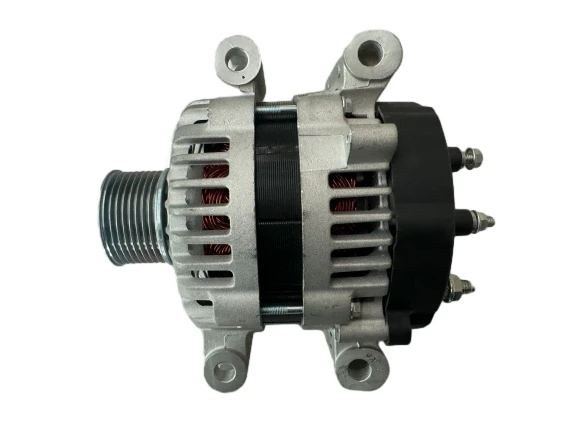

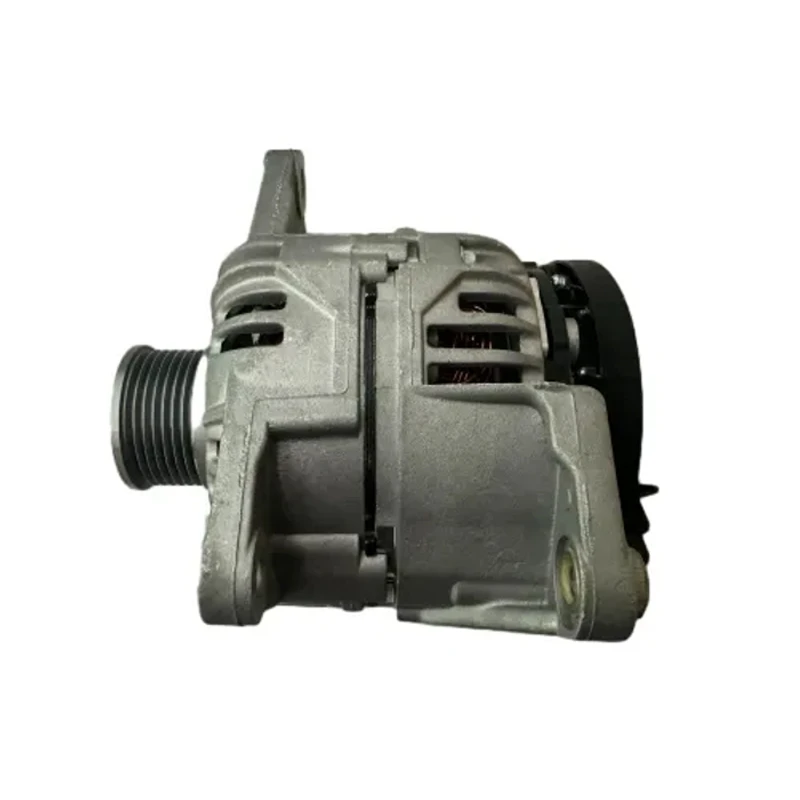

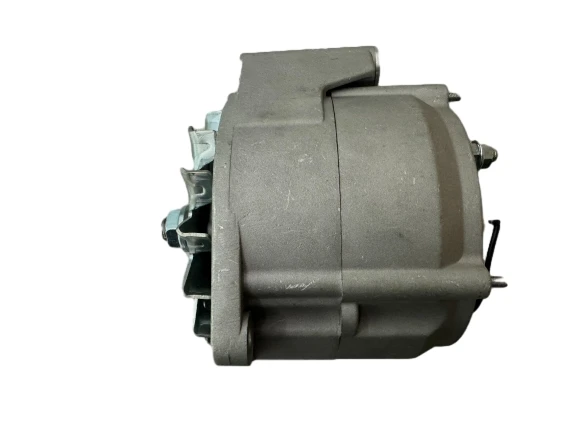
Premium high output alternator Solutions for North American Fleets

Engineering heavy-duty power reliability for the diverse terrains and demanding logistics networks of the United States.

Premium high output alternator Solutions for North American Fleets

Providing industry-leading charging systems designed to withstand the extreme environmental stressors of the US automotive and commercial transport sectors.

Charging Infrastructure Reality in the United States

Analyzing the impact of US geography and logistics on power generation demands.

In the United States, the vast geographical spread from the frozen plains of the Midwest to the humid heat of the South places immense stress on auto alternators. The volatility of extreme temperature swings requires components that can maintain consistent voltage output without premature failure, ensuring that long-haul journeys across interstate highways are not interrupted by electrical breakdowns.

The dominance of the logistics industry in North America has led to a surge in demand for the semi truck alternator. With the "just-in-time" delivery model, any downtime is catastrophic. Consequently, US fleet managers are shifting away from standard replacements toward reinforced units that can handle the added electrical load of modern telematics, refrigerated trailers, and auxiliary sleeper cab electronics.

Furthermore, the US agricultural and construction sectors rely heavily on the diesel alternator. These machines operate in dusty, high-vibration environments where standard components fail. The market now demands IP-rated protection and high-amperage capabilities to support heavy-duty starters and advanced hydraulic control systems used in American farmland and job sites.
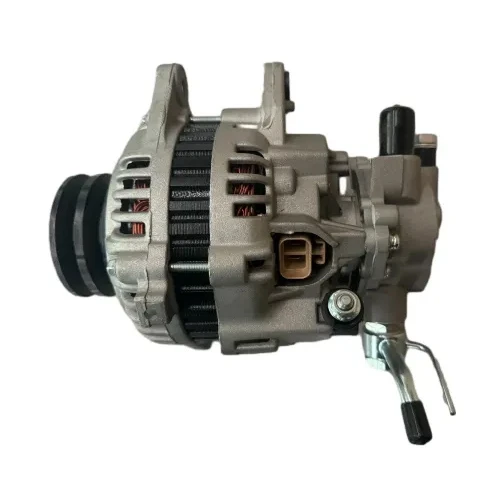
Evolution of Automotive Charging Technology

From basic current generation to intelligent power management.

Market Development History

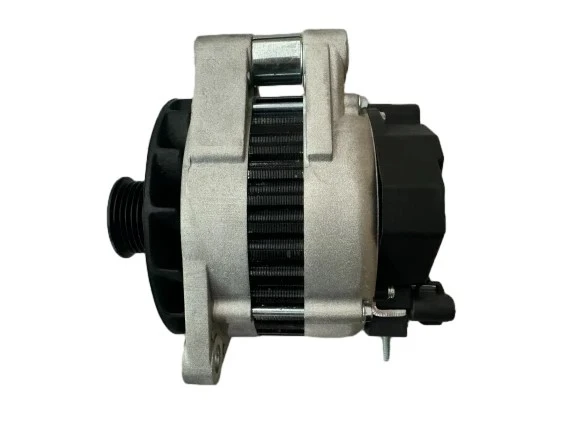
During the mid-20th century, the US market relied on basic mechanical regulators. The transition to the electronic automotive alternator in the 1960s revolutionized vehicle reliability, allowing for higher current output at idle speeds, which was essential for the growing number of onboard accessories in American cars.

By the 1990s and early 2000s, the integration of Engine Control Units (ECUs) transformed how power was managed. The industry moved toward "smart charging," where the ECU controls the alternator to reduce fuel consumption and emissions, a critical shift driven by North American EPA regulations.

In the last decade, the rise of EVs and hybrids has forced traditional manufacturers to innovate. This led to the development of ultra-efficient, high-density windings and advanced rectification, ensuring that combustion-based fleets can still meet the energy demands of modern digital cockpits.

Future Development Trends

Integration of Smart Sensing

Future units will feature embedded IoT sensors to predict bearing failure or diode wear before they occur, reducing roadside downtime across the US highway system.

Higher Power Density

As vehicles integrate more auxiliary electronics, the shift toward compact yet higher-capacity windings will become the standard for all heavy-duty applications.

Sustainable Material Sourcing

There is a growing trend toward using recycled copper and cobalt-free components to align with the green energy initiatives emerging in North American manufacturing.

Strategic Outlook for US Power Systems

Navigating the transition toward electrified and intelligent power generation.

Thermal Resilience Engineering
Developing components that maintain peak efficiency in temperatures from -40°C to +50°C to cover all US time zones.
Fleet Telematics Synergy
Optimizing output to support the massive increase in onboard computing and GPS tracking in US logistics.
Eco-Efficiency Standards
Reducing mechanical drag to improve fuel economy in alignment with US Department of Energy goals.
Heavy-Duty Modular Design
Implementing modular parts for faster field replacement in remote areas of the US.

Industry Outlook

The US market is witnessing a bifurcation where traditional internal combustion engines (ICE) are being pushed to their electrical limits to accommodate modern technology. This creates a massive opening for specialized power solutions that go beyond OEM specifications, focusing on endurance and extreme output.

Looking forward, we expect a convergence of power generation and energy storage. The alternator will no longer be a standalone component but part of a hybrid power management system that balances mechanical generation with capacitive storage to ensure zero-fail electrical delivery.

North American Field Applications

Real-world deployment scenarios across the United States.

01. Long-Haul Logistics Hubs

In the massive distribution centers of the Midwest, semi-trucks equipped with a semi truck alternator ensure that refrigerated cargo remains at a constant temperature during transcontinental transit.

02. Agricultural Power Equipment

Across the Corn Belt, heavy-duty tractors and harvesters utilize a rugged diesel alternator to power GPS-guided steering systems and high-intensity lighting for 24/7 harvest cycles.

03. Specialized Emergency Vehicles

US fire trucks and ambulances require a high output alternator to maintain the operation of sirens, medical equipment, and high-wattage communication arrays without draining the battery.

04. Construction & Mining Operations

In the Appalachian mining regions, heavy machinery operates in high-dust environments where reinforced auto alternators are critical to preventing engine stalls and electrical failure.

05. Custom Overlanding & RVs

The growing US outdoor culture has increased the demand for modified charging systems in RVs, utilizing high-capacity alternators to power off-grid living appliances in National Parks.

Brand Story

Global Development Journey of Hebei Jintang Automotive Parts Co., Ltd.

Foundation of Precision

Established with a vision to solve the common failures of charging systems, we began by focusing on high-grade copper winding and precision rotor balancing.

Technological Breakthrough

We invested in advanced CNC machining and automated testing lines to ensure every unit meets strict international quality standards.

North American Expansion

Recognizing the unique demands of the US market, we engineered a specific line of heavy-duty alternators tailored for American truck specifications.

Commitment to E-E-A-T

By partnering with global logistics experts, we have solidified our expertise and authority in the automotive power generation field.

The Future of Power

Our mission continues to be the elimination of electrical downtime for commercial fleets worldwide through relentless innovation.

Comprehensive Power Solutions for the US Market

A complete portfolio of charging systems designed for North American reliability.

US Automotive Charging FAQ

Expert answers to common technical queries regarding alternator performance in North America.

How do I know if I need a high output alternator for my custom truck?

If you have added auxiliary lights, winches, or high-end audio systems, your original unit may struggle. A high output alternator is necessary when your total electrical load exceeds the factory amperage rating.

Why is a diesel alternator different from a standard gas engine unit?

Diesel engines often have higher vibration profiles and different RPM ranges. Diesel-specific units are built with reinforced bearings and heavy-duty housings to withstand these mechanical stresses.

What causes semi truck alternator failure in winter climates?

Extreme cold in Northern states can cause belt tension issues and brittle insulation. We use low-temperature resistant materials to prevent cracking and electrical shorts in freezing conditions.

Can an automotive alternator be upgraded without modifying the bracket?

Yes, we design "drop-in" replacements that match OEM mounting points exactly, allowing you to increase your charging capacity without costly fabrication.

How often should heavy-duty alternators be serviced in US fleets?

For commercial fleets, we recommend a voltage check every 6 months and a full belt and pulley inspection every 12 months to avoid unexpected roadside failures.

Does increased amperage from a high output unit damage the battery?

No, provided the voltage regulator is functioning correctly. The alternator provides the current the vehicle needs; the regulator ensures the battery is not overcharged.

Partner With the Power Experts

Ready to upgrade your fleet's reliability? We provide specialized shipping and technical support across the United States.

Contact Us Now

If you are interested in our products, you can choose to leave your information here, and we will be in touch with you shortly.