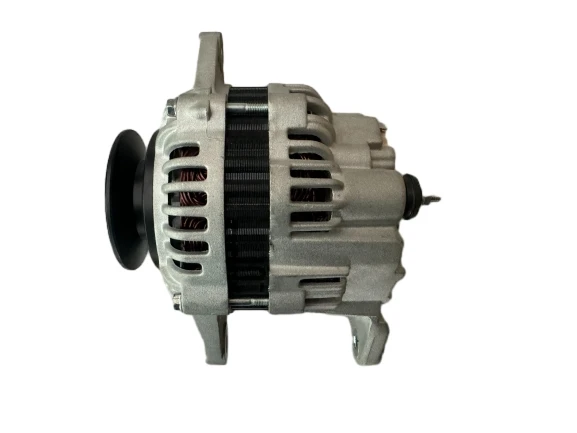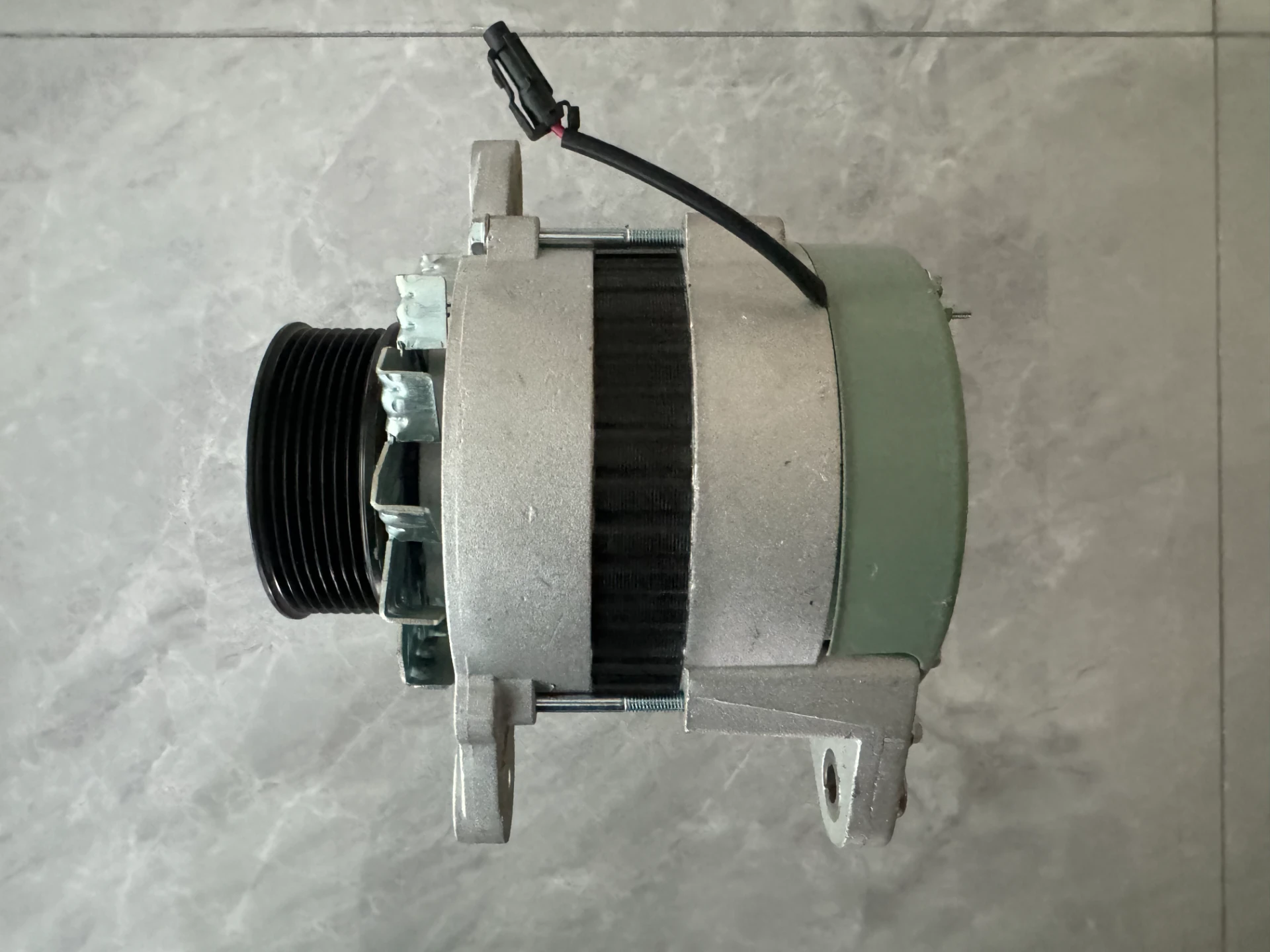
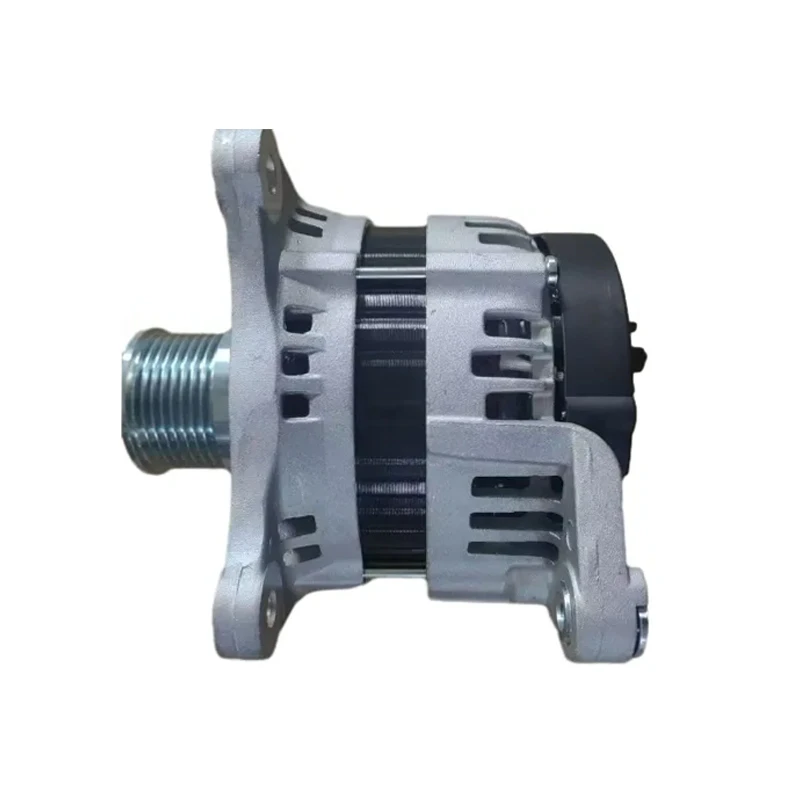
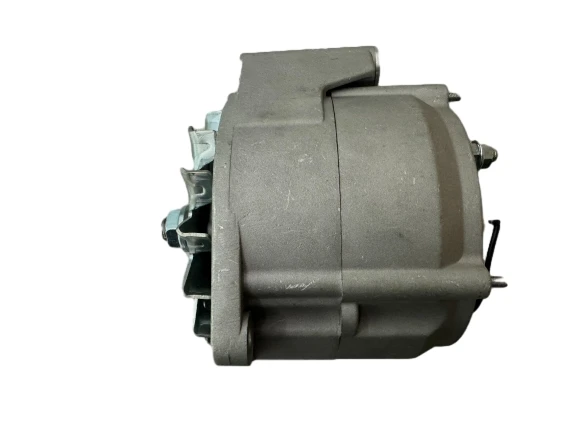
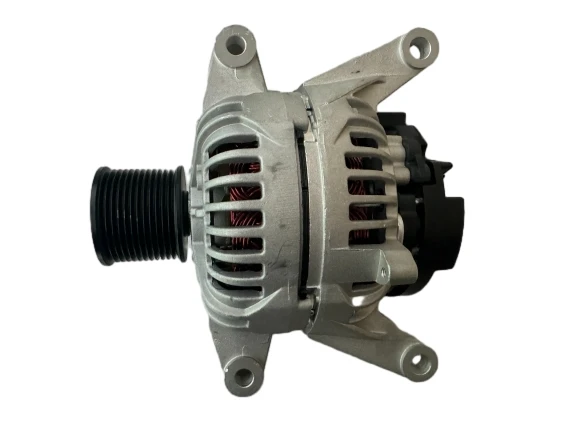
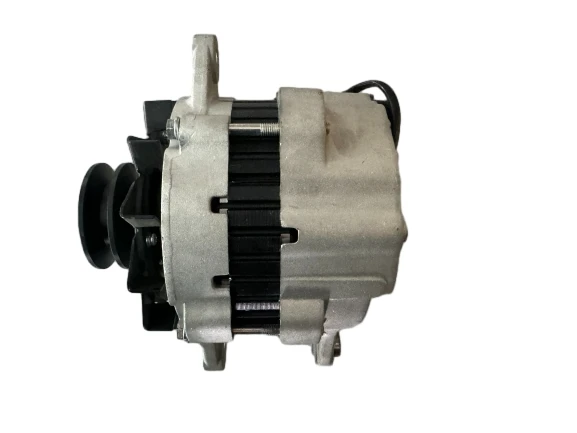
Premium high output alternator Solutions for South Korea

Engineering high-performance charging systems tailored for the rigorous demands of South Korea's automotive and industrial logistics sectors.

Premium high output alternator Solutions for South Korea

Providing cutting-edge power generation components that ensure maximum uptime for commercial fleets and industrial vehicles across the Korean peninsula.

Charging System Landscape in South Korea

Analyzing the integration of high-efficiency power units in Asia's tech-driven automotive hub.

South Korea's automotive market is characterized by a rapid transition toward electrification and high-tech integration. In this environment, the demand for reliable automotive alternator units remains critical, especially for the vast network of hybrid vehicles and heavy-duty transport serving the Busan and Incheon ports.

The geographical terrain of South Korea, featuring mountainous regions and coastal humidity, puts significant stress on electrical components. This necessitates the use of auto alternators that can withstand extreme temperature fluctuations and maintain consistent voltage output under heavy load conditions.

Furthermore, the Korean logistics industry is highly optimized for "just-in-time" delivery. Any failure in the charging system of a commercial vehicle leads to significant economic losses, driving the market toward premium, long-life diesel alternator components that offer superior durability and efficiency.
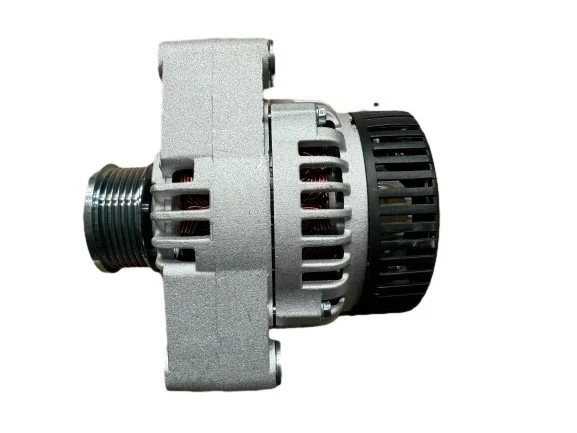
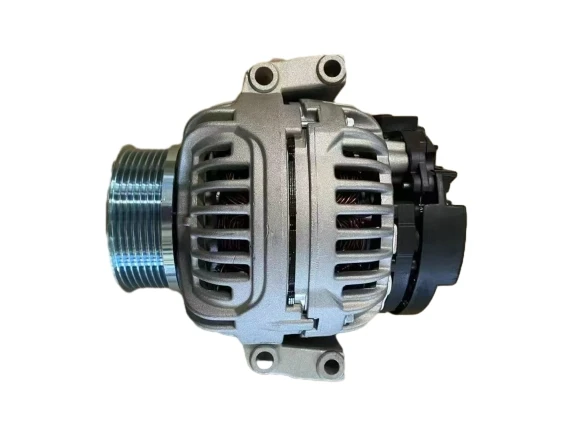
Evolution of Charging Technology in Korea

From traditional mechanical regulation to intelligent power management.

Market Development History

In the 1980s and 90s, the South Korean market relied heavily on basic mechanical alternators. These units were simple but lacked the efficiency needed for the burgeoning electronics integrated into Korean vehicles of that era.

By the early 2000s, the shift toward Electronic Control Units (ECUs) led to the widespread adoption of smart charging systems. This era saw the rise of the semi truck alternator being optimized for fuel efficiency and reduced emissions to meet strict urban environmental standards in Seoul.

From 2015 to the present, the focus has shifted toward high-amperage capabilities. As vehicles incorporate more sensors, GPS, and advanced infotainment, the requirement for high-output systems has become the standard for both passenger and commercial segments.

Future Development Trends

Smart Alternator Integration

Predictive AI diagnostics will allow alternators to communicate real-time wear data to fleet managers, reducing unplanned downtime in Korean logistics hubs.

Eco-Friendly Material Sourcing

A shift toward recyclable copper and rare-earth-free magnets to align with South Korea's "Green New Deal" sustainability goals.

Hybrid-Ready Power Units

Development of specialized charging units that seamlessly interface with 48V mild-hybrid systems to bridge the gap between ICE and full EV.

Future Outlook of Power Generation

Strategic directions for the next 5 years of automotive electrical engineering.

High-Efficiency Voltage Regulation
Implementing advanced MOSFET regulators to minimize energy loss and improve battery longevity in cold Korean winters.
Increased Amperage Capacity
Scaling output to support the proliferation of onboard electronic systems and high-performance auxiliary equipment.
Thermal Management Evolution
Advanced cooling fin designs to prevent overheating during heavy-duty cycles in Korea's humid summer months.
Lightweight Material Integration
Using aerospace-grade aluminum alloys to reduce front-end weight and improve overall vehicle fuel efficiency.

Industry Outlook

Google search trends indicate a rising interest in "energy-efficient charging" and "heavy-duty electrical reliability" within the East Asian region. As South Korea continues to lead in automotive innovation, the demand for precision-engineered alternators will shift from simple replacement to systemic optimization.

The convergence of ICE and electric systems will create a niche for "intelligent alternators" that can modulate power based on real-time vehicle telemetry, ensuring that power is delivered where it is most needed while minimizing mechanical wear.

Localized Applications in South Korea

Practical implementation of high-performance charging systems across Korean industries.

1. Incheon Port Logistics Fleet

Heavy-duty trucks operating 24/7 at Incheon Port utilize high-capacity semi truck alternator units to power refrigeration units and advanced tracking systems without draining batteries.

2. Seoul Urban Delivery Networks

Light commercial vehicles navigating Seoul's stop-and-go traffic require efficient auto alternators that can maintain peak voltage even at low engine idle speeds.

3. Gangwon Province Construction Machinery

Excavators and loaders working in the rugged terrain of Gangwon use heavy-duty diesel alternator systems to ensure reliable starts and operation in freezing winter temperatures.

4. Jeju Island Tourism Transit

Eco-tour buses in Jeju incorporate high-efficiency charging units to support high-load AC systems and onboard entertainment for tourists.

5. Gyeonggi Industrial Parks

Internal factory transport vehicles use specialized automotive alternator components designed for high-frequency start-stop cycles and industrial-grade durability.

Brand Story

Global Development Journey of Hebei Jinlitong Automotive Parts Co., Ltd.

Foundational Engineering

Established with a mission to eliminate electrical failure in commercial transport, focusing on the precision manufacturing of core alternator components.

Technological Breakthroughs

Developed advanced winding techniques and regulator circuitry to increase power output while reducing heat generation.

Global Market Expansion

Expanded distribution networks into Asia, specifically optimizing products for the demanding South Korean automotive standards.

Quality Standardization

Achieved international certifications for durability and efficiency, ensuring our parts meet the rigorous OEM specs of global brands.

Sustainable Future

Investing in green manufacturing and smart power solutions to lead the transition toward a more efficient automotive electrical future.

Comprehensive Charging Portfolio for South Korea

A complete range of power generation solutions designed for every vehicle class in the Korean market.

Common Questions in South Korea

Expert answers to the most frequent technical queries from our Korean partners.

How do I choose the right high output alternator for a commercial truck in Seoul?

Consider the total amperage load of your onboard electronics and the average idle time in city traffic to ensure the unit can maintain battery charge without overheating.

What are the signs that my automotive alternator is failing during winter?

Common signs include dimming headlights, slow engine cranking, and a battery warning light on the dashboard, often exacerbated by extreme cold temperatures in Korea.

Can a diesel alternator be upgraded for better performance in construction machinery?

Yes, upgrading to a high-amperage unit with a heavy-duty regulator can provide more stable power for hydraulic controls and auxiliary lighting.

How often should a semi truck alternator be inspected for fleet maintenance?

For high-utilization fleets in Korea, we recommend a voltage check every 6 months and a full belt/brush inspection every 12 months.

Are auto alternators compatible across different Korean vehicle brands?

While many share similar specs, mounting points and electrical connectors vary. We provide exact-fit replacements tailored to specific OEM requirements.

Does high humidity in coastal regions like Busan affect alternator lifespan?

Yes, humidity can lead to corrosion. Our units feature advanced anti-corrosion coatings to extend life in maritime environments.

Get Expert Power Solutions

Contact our technical team today to optimize your fleet's electrical performance in South Korea.

Contact Us Now

If you are interested in our products, you can choose to leave your information here, and we will be in touch with you shortly.