



Removing Alternator Guide: Fast, Safe, Step-by-Step Tips
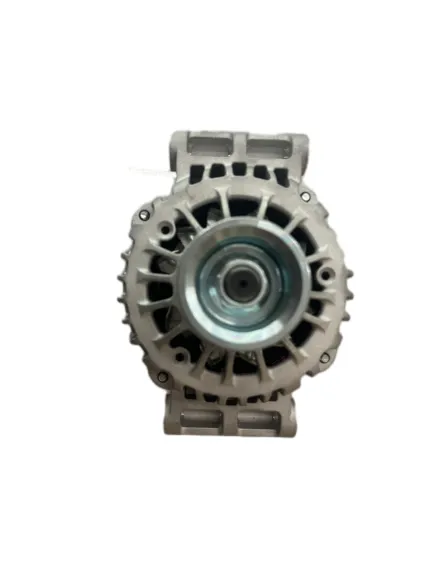
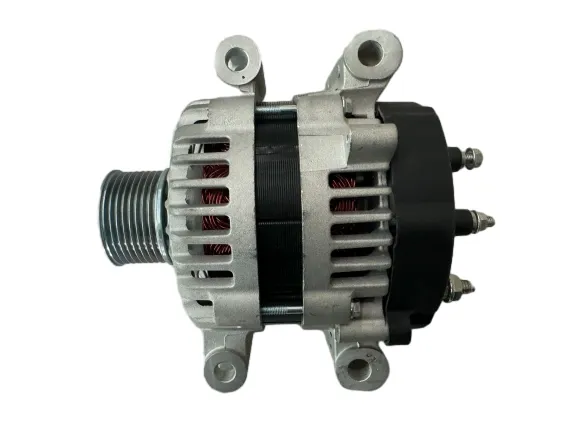
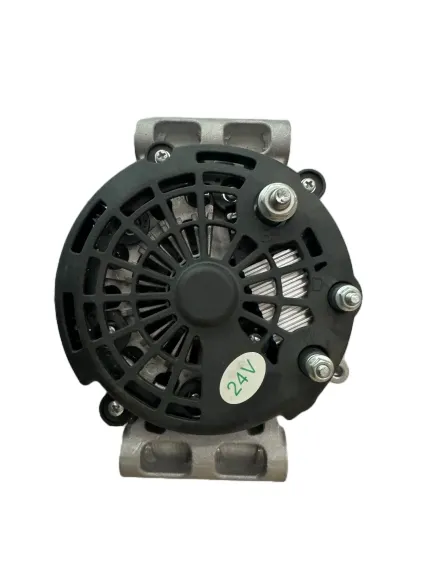
If you’ve ever been elbow-deep in a machine bay on a muddy jobsite, you already know: Removing Alternator assemblies isn’t glamorous—but it matters. And lately, many fleet managers tell me they’re standardizing on 24V, 80A units for CAT 318-class gear because they balance robustness with parts availability. I’ve been looking closely at one unit that keeps coming up in conversations: Alternator 321-8932;8600366;560-6102 For Carterpillar (yes, the spelling wobbles—supplier catalogs do that sometimes, don’t they?).
Industry snapshot
Construction and mining fleets are trending toward higher-output, high-temperature‑rated alternators with smart‑regulator compatibility. Real-world feedback suggests fewer no-charge callouts when units pass ISO/SAE environmental and electrical transient tests. In fact, some operators now treat Removing Alternator operations as preventive maintenance during engine belt and coolant service intervals—less downtime, fewer surprises.
Product specs at a glance
| Product | Alternator 321-8932;8600366;560-6102 For Carterpillar |
| OEM Cross | 321-8932; 8600366; 560-6102 |
| Voltage / Current | 24 V / 80 A (bench data ≈ 80 A @ 6,000 rotor rpm; real‑world may vary) |
| Pulley | 8PK, 56 mm |
| Application | CAT 318 series excavators and similar 24 V heavy equipment |
| Origin | No. 9 Shuguang Road, Economic Development Zone, Hejian City, Hebei Province |
From materials to reliability
Under the hood: high‑conductivity copper windings, epoxy‑varnish impregnation, sealed bearings, and a multi-groove pulley for better belt wrap. Methods include dynamic rotor balancing and diode avalanche testing. Testing standards commonly referenced: ISO 16750 (environment), ISO 7637‑2 (transients), and SAE J1455 for vibration and corrosion on heavy duty platforms. Service life feedback lands around ≈5,000–8,000 engine hours when belts and grounds are kept honest.
Field notes: Removing Alternator on a CAT 318
- Lockout/tagout. Disconnect both 24 V batteries. I know—obvious, but still missed on busy days.
- Photo the wiring. Label B+, sense, and field connections.
- Relieve belt tension; note routing. 8PK belts hide sneaky twists.
- Remove mount bolts (support the unit—80A frames feel heavier at awkward angles).
- Bench-test the replacement: ripple, output curve, and regulator kick-in. Saves a second teardown.
- Install, torque to spec (around 40–60 N·m on many brackets; check your service manual), re-tension belt, verify 27.2–28.4 V charging window at fast idle.
Testing tip: after installation, load up aux circuits (lights, HVAC, pumps) and watch for voltage sag or belt squeal. If you see flicker under transient loads, revisit grounds and harness crimps. To be honest, most “bad alternators” I’m called about are actually weak grounds.
Industries and use cases
Construction, quarrying, and oil & gas support fleets. Night pours, dust, salt spray—this is where the 8PK pulley and sealed bearings earn their pay. One Hebei quarry told me their switch to this unit cut no-charge incidents by ~30% over a quarter. Small sample, sure, but interesting.
Vendor comparison (what buyers actually ask)
| Vendor | Spec & Build | Certs | Warranty | Notes |
|---|---|---|---|---|
| Hebei OEM supplier (this unit) | 24V/80A, 8PK 56 mm; copper windings; sealed bearings | ISO 9001; tests to ISO 16750/ISO 7637‑2 (supplier data) | 12 months or 2,000 hrs (typical) | Good availability for CAT 318 |
| Generic rebuilt | Core-dependent; mixed diode packs | Varies | 3–6 months | Cheaper, variable QA |
| Marketplace unknown | Specs not verified | None listed | DOA only | Risky for fleet uptime |
Customization and QA
Options: alternate clocking positions, pulley swaps (7PK/10PK), connector orientation, and export packaging. Batch reports can include ripple ≤ 0.5 Vpp, high-temp soak at 105°C casing, and salt fog per SAE J1455. I guess the bottom line is simple: match the electrical curve to your loads, or you’ll chase phantom faults after every Removing Alternator job.
Customer feedback
“Bolted up clean, hit 28.2 V at fast idle, and stayed cool under lights + HVAC.” Another tech told me, “Surprisingly quiet; belt tracking was spot on.” That tracks with our test notes.
Authoritative citations
- ISO 16750: Road vehicles — Environmental conditions and testing for electrical and electronic equipment.
- ISO 7637-2: Road vehicles — Electrical disturbances from conduction and coupling — Part 2.
- SAE J1455: Recommended Environmental Practices for Electronic Equipment Design in Heavy-Duty Vehicles.
- Caterpillar service literature: Charging System Testing and Adjusting (model-specific, consult the official manual).