The alternator 12v 200a is a critical component in modern vehicles and various industrial applications, responsible for converting mechanical energy into electrical energy to power the vehicle’s electrical system and recharge the battery. Its reliable operation is paramount for ensuring vehicle functionality and preventing breakdowns. Understanding the intricacies of the alternator 12v 200a, from its core components to its practical applications, is vital for mechanics, automotive engineers, and anyone involved in vehicle maintenance and repair.
Globally, the demand for high-performance alternators like the 12v 200a is constantly increasing, driven by the growing automotive industry and the rise of electrically-dependent vehicle features. This demand extends beyond passenger vehicles to include commercial vehicles, construction equipment, and even marine applications. The efficiency and durability of an alternator 12v 200a directly impact fuel economy, battery life, and overall vehicle reliability, making it a key consideration for manufacturers and consumers alike.
At its core, the alternator 12v 200a is a generator that produces alternating current (AC) electricity. This AC current is then converted to direct current (DC) electricity by a rectifier, which is essential for charging the vehicle’s battery and powering its electrical systems. Choosing the right alternator 12v 200a is crucial to ensure compatibility with the vehicle’s electrical requirements and to maintain optimal performance.
The Importance of the Alternator 12v 200a
The alternator 12v 200a is arguably the most vital component in maintaining a modern vehicle’s electrical systems. Unlike the initial reliance on batteries, the alternator is designed to continuously supply power while the engine is running, ensuring all electrical components – from headlights and air conditioning to the engine control unit (ECU) – function optimally. A failing alternator 12v 200a can lead to a range of issues, from dimming lights to complete vehicle shutdown.
Choosing the correct amperage (200A in this case) is critical. An undersized alternator may struggle to keep up with demand, leading to battery drain and potential electrical failures. Conversely, an oversized alternator may not operate efficiently. The 12v specification denotes the voltage output, which must be compatible with the vehicle’s electrical system. Properly functioning alternator 12v 200a not only keeps the car running, but also extends the life of the battery.
Defining the Alternator 12v 200a
An alternator 12v 200a is a type of AC (alternating current) electrical generator that converts mechanical energy from the engine's rotation into electrical energy. The "12v" indicates the nominal voltage output, making it suitable for use in most standard automotive electrical systems. The “200a” represents the maximum current the alternator can deliver, indicating its capacity to supply power to the vehicle’s electrical components and recharge the battery.
This is achieved through a rotating magnetic field (rotor) within a stationary set of windings (stator). The rotation induces a current in the stator windings, which is then rectified to produce DC (direct current) electricity. This DC electricity is then used to power the vehicle's electrical systems and recharge the battery.
The alternator 12v 200a is a crucial part of the modern automotive industry. It doesn’t just ensure the car runs, it enables advanced features like infotainment systems, power windows, and safety technologies, all of which heavily rely on a steady supply of electrical power. Its impact extends beyond personal vehicles, encompassing industrial machinery and emergency power systems.
Core Components and Functionality
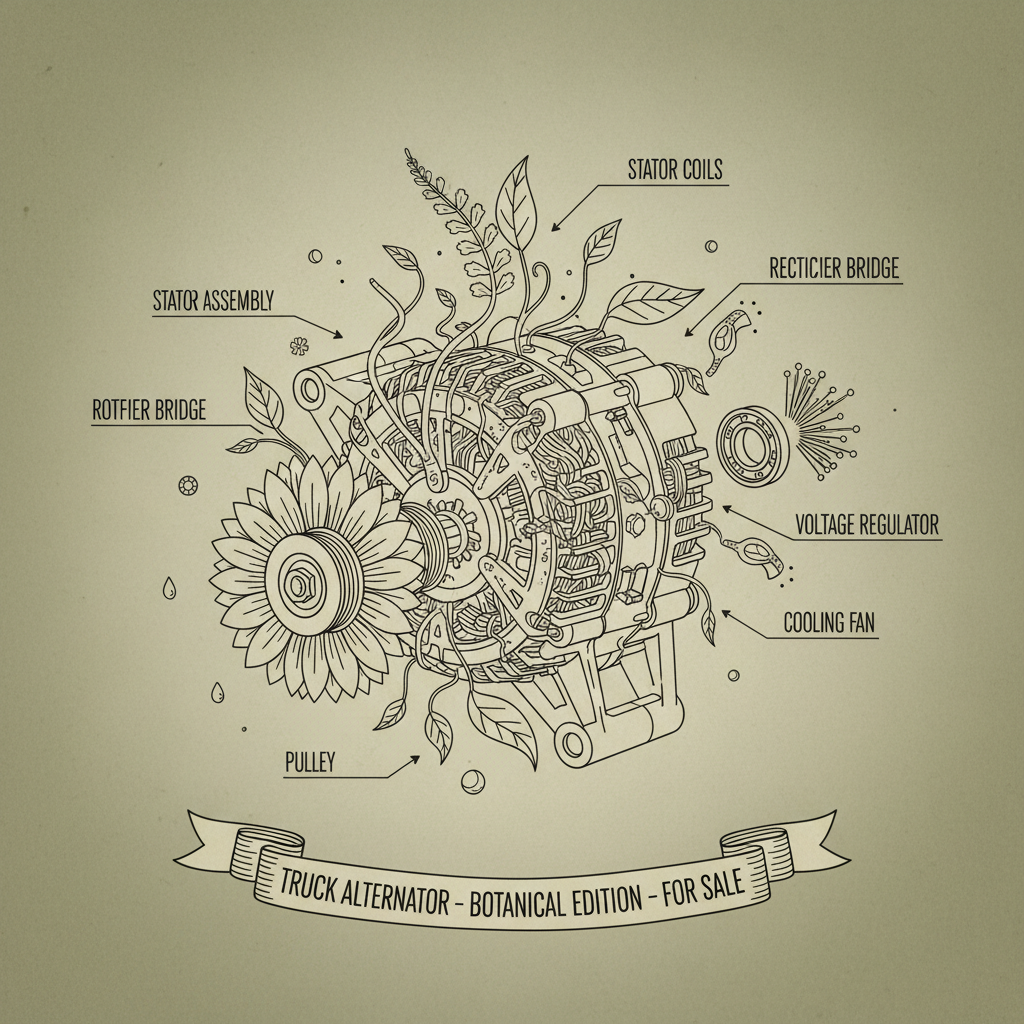
The alternator 12v 200a relies on several core components working in harmony. The rotor, containing electromagnets, is driven by the engine via a belt. This rotating magnetic field induces a current in the stator, comprised of copper windings. The diodes within the rectifier bridge convert this AC current into DC current, suitable for charging the battery and powering the vehicle's electrical systems. The voltage regulator maintains a consistent output voltage, protecting the electrical system from damage.
The slip rings and brushes are also critical. They provide a continuous electrical connection between the rotating rotor and the stationary rectifier. The brushes, typically made of carbon, wear down over time and require replacement. Proper lubrication and maintenance of these components are essential for long-term alternator reliability. Understanding the function of each part enables accurate diagnosis and effective repairs for the alternator 12v 200a.
The entire system is designed to be self-regulating. The voltage regulator constantly monitors the electrical system's voltage and adjusts the rotor's excitation current to maintain a stable output voltage. This ensures that the battery is charged efficiently without overcharging, and that all electrical components receive the correct voltage for optimal performance. This control loop is vital for preventing damage to the electrical system.
Key Performance Factors of an Alternator 12v 200a
Several key factors determine the performance and reliability of an alternator 12v 200a. One crucial factor is its efficiency, which measures how effectively it converts mechanical energy into electrical energy. Higher efficiency results in less energy waste and improved fuel economy. Another critical factor is the alternator’s output capacity, or the maximum current it can deliver at a given voltage.
Durability and heat management are also paramount. The alternator 12v 200a operates in a harsh environment, exposed to high temperatures and vibrations. Effective heat dissipation and robust construction are essential for ensuring long-term reliability. The quality of materials used in the alternator's construction, particularly the stator windings and diodes, also significantly impacts its performance and lifespan.
Alternator 12v 200a Performance Metrics
Global Applications of the Alternator 12v 200a
The applications of the alternator 12v 200a are remarkably diverse, extending far beyond passenger vehicles. In the automotive industry, it’s found in cars, trucks, buses, and motorcycles. Heavy-duty applications include construction equipment such as excavators and bulldozers, agricultural machinery like tractors, and various industrial vehicles used in logistics and manufacturing.
Marine vessels, from small boats to large cargo ships, rely heavily on alternators to power onboard electrical systems. Emergency vehicles, like ambulances and fire trucks, require a reliable power source, making the alternator 12v 200a an indispensable component. In remote industrial zones, where grid power is unavailable, alternators powered by diesel engines provide essential electricity.
Advantages and Long-Term Value
Investing in a high-quality alternator 12v 200a offers numerous tangible benefits. Reduced downtime due to increased reliability translates to lower maintenance costs and improved operational efficiency. The 200A capacity ensures ample power for modern vehicles equipped with numerous electrical features. A robust alternator also contributes to improved fuel efficiency by optimizing battery charging and reducing the load on the engine.
Beyond the economic advantages, choosing a reliable alternator 12v 200a enhances safety and peace of mind. A consistently charged battery ensures reliable starting, preventing potentially dangerous situations. A well-maintained electrical system also improves the performance of safety features like headlights, brakes, and airbags. The long-term value stems from the prevention of costly repairs and the extension of the vehicle’s overall lifespan.
Future Trends and Innovations in Alternator Technology
The future of alternator technology is focused on increasing efficiency, reducing weight, and integrating with advanced vehicle systems. Research is underway to develop alternators using lighter materials and more efficient magnetic cores. Smart alternators that communicate with the vehicle’s ECU to optimize charging based on driving conditions are gaining popularity.
The rise of hybrid and electric vehicles is also influencing alternator design. While electric vehicles don’t utilize traditional alternators, hybrid vehicles often incorporate them to recharge the battery and power electrical systems. Advances in regenerative braking technology are further reducing the reliance on traditional alternators in these vehicles.
Sustainable manufacturing practices and the use of eco-friendly materials are also driving innovation. Manufacturers are exploring ways to reduce the environmental impact of alternator production and disposal. The integration of digital monitoring and diagnostic tools will enable predictive maintenance, further enhancing the reliability and longevity of the alternator 12v 200a.
FAQS
The lifespan of an alternator 12v 200a typically ranges from 80,000 to 150,000 miles, depending on driving conditions, maintenance, and the quality of the unit. Regular inspection of the belt, connections, and brushes can significantly extend its lifespan. Harsh environments and heavy electrical loads can shorten this period.
Common symptoms include dimming headlights, difficulty starting the vehicle, warning lights on the dashboard (such as the battery light), unusual noises from the alternator, and electrical systems malfunctioning. If you experience any of these symptoms, it's crucial to have the alternator tested by a qualified mechanic.
Yes, a failing alternator can definitely damage your car battery. If the alternator is not properly charging the battery, the battery can become discharged and eventually fail. Overcharging, caused by a faulty voltage regulator, can also damage the battery. It's important to address alternator issues promptly to prevent battery damage.
Regular maintenance includes inspecting the drive belt for wear and tear, checking the connections for corrosion, and ensuring the alternator is securely mounted. Listen for any unusual noises during operation. Periodic voltage testing can also help identify potential issues before they escalate.
Yes, alternators can be rebuilt, typically involving replacing worn components like brushes, bearings, and diodes. Rebuilding can be a cost-effective alternative to replacing the entire unit, but it requires specialized knowledge and tools. A professional rebuild is often recommended for optimal performance and reliability.
The cost to replace an alternator 12v 200a can vary significantly depending on the vehicle make and model, the quality of the replacement unit, and labor rates. Generally, the cost ranges from $300 to $800, including parts and labor. Diagnostic testing is crucial before replacement to confirm the alternator is the source of the problem.
Conclusion
In conclusion, the alternator 12v 200a is an essential component for modern vehicles and a wide range of industrial applications. Its ability to efficiently convert mechanical energy into electrical energy is crucial for powering vital systems and ensuring reliable operation. Understanding its core components, performance factors, and future trends is vital for anyone involved in the automotive industry or related fields.
As technology continues to evolve, alternator designs will likely become even more efficient, sustainable, and integrated with advanced vehicle systems. Proactive maintenance and prompt replacement of failing units are essential for maximizing performance, minimizing downtime, and ensuring safety. For quality alternators, including the reliable alternator 12v 200a, visit our website: alternator 12v 200a.