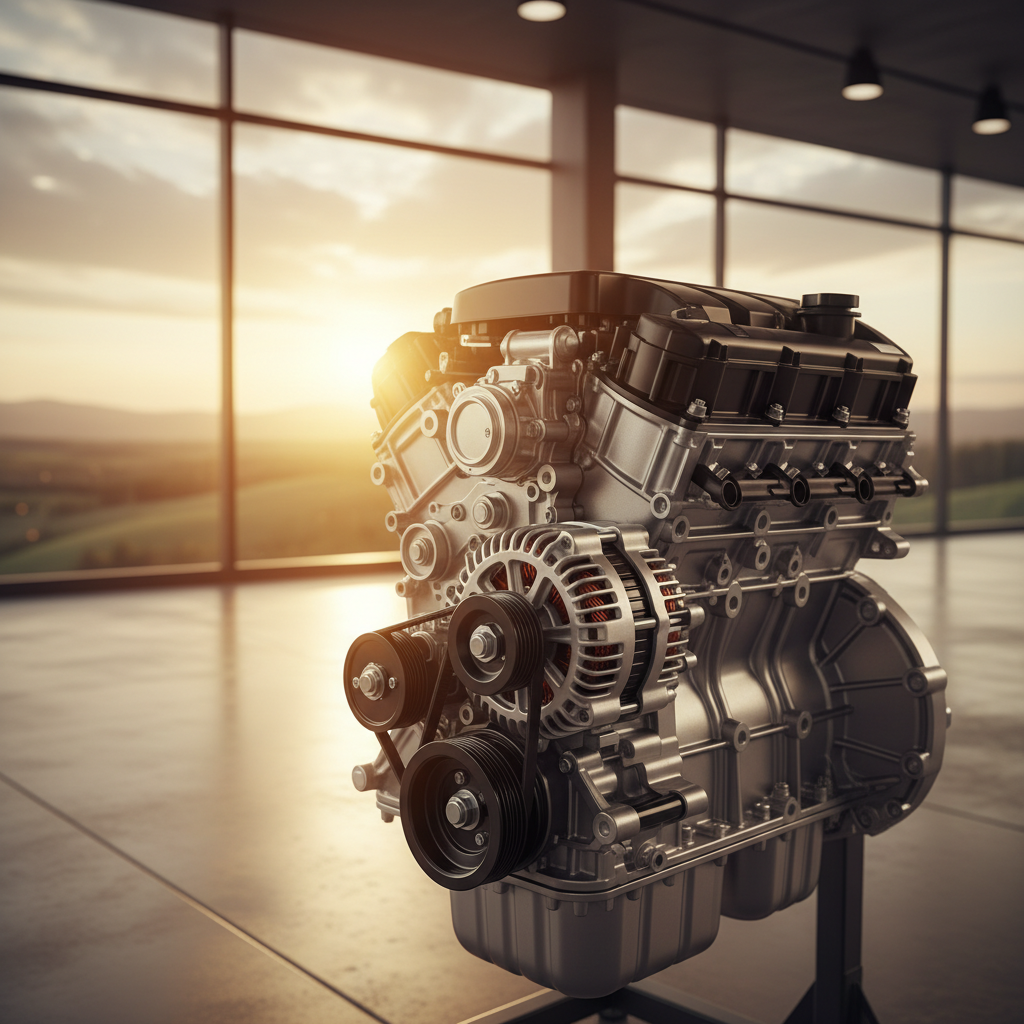
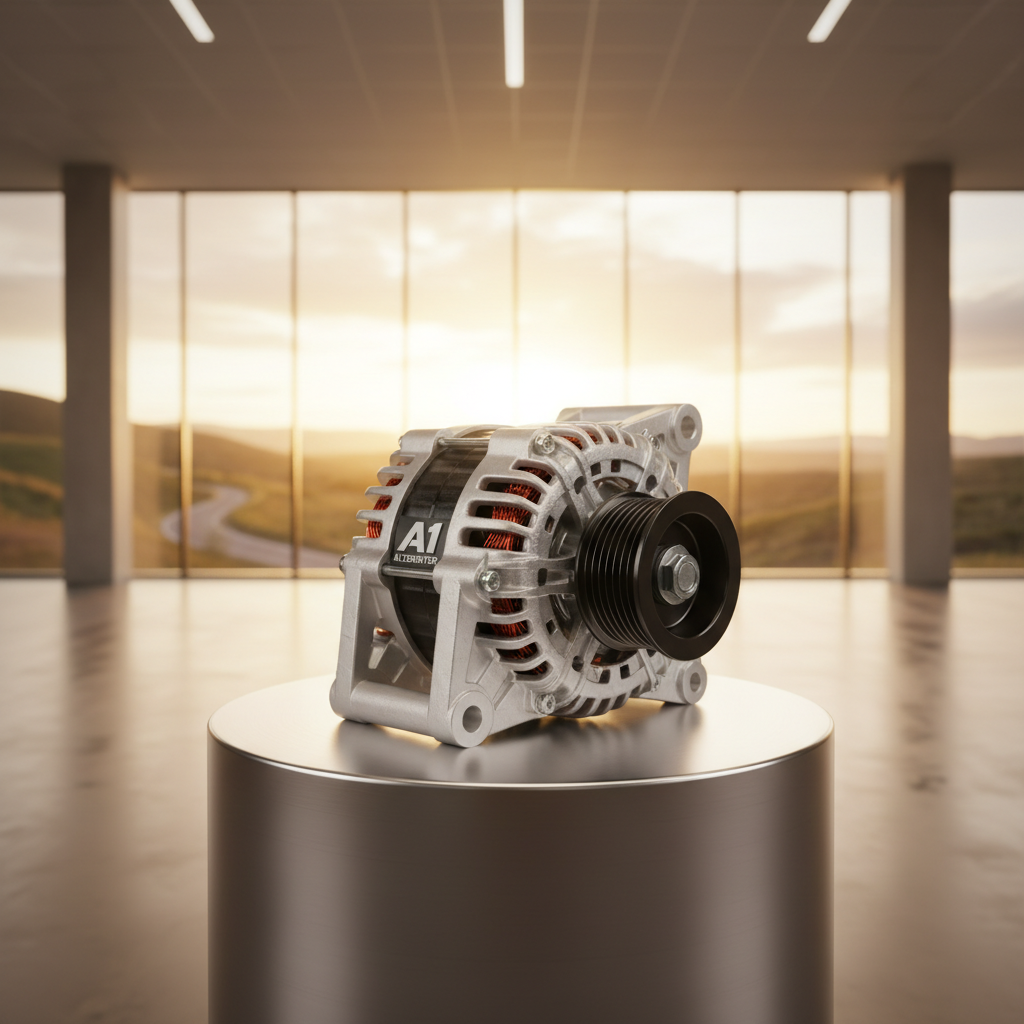
The alternator 12v 300 amp is a crucial component in modern vehicles and stationary power systems, acting as the primary source of electrical energy once the engine is running. Its importance extends beyond simply powering accessories; it's fundamental to the operation of essential systems like ignition, fuel injection, and lighting. Understanding the specifications and applications of a robust alternator, such as the 12V 300 amp model, is paramount for ensuring reliable performance and longevity in diverse operational environments.
Globally, the demand for dependable power solutions, especially in the automotive and industrial sectors, continues to rise. The alternator 12v 300 amp addresses this need by providing a high-output charging solution capable of handling the increasing electrical loads of modern vehicles and equipment. According to industry reports, the automotive alternator market is projected to experience consistent growth, driven by advancements in vehicle electrification and the demand for improved fuel efficiency. This growth underscores the critical role that high-performance alternators play in meeting evolving energy requirements.
The reliable functioning of these components directly impacts safety, efficiency, and overall system performance. Selecting the correct alternator 12v 300 amp is not simply a matter of voltage and amperage; it involves considering factors like construction quality, regulatory compliance, and application-specific requirements. It’s a cornerstone of both individual vehicle functionality and larger infrastructural power solutions.
The Core Functionality of alternator 12v 300 amp
The alternator 12v 300 amp is designed to convert mechanical energy into electrical energy, specifically providing a stable 12-volt DC output at a maximum current of 300 amps. This high amperage capacity is critical for modern vehicles equipped with numerous power-hungry accessories and systems. Its fundamental operation relies on electromagnetic induction, utilizing a rotating magnetic field to induce current in stationary windings.
This high-output capability ensures that the vehicle's electrical system receives sufficient power even under demanding conditions, such as running headlights, air conditioning, and other accessories simultaneously. A well-maintained alternator 12v 300 amp directly translates to a more reliable and comfortable driving experience, minimizing the risk of electrical failures and maximizing vehicle uptime.
Defining alternator 12v 300 amp: A Technical Overview
At its core, the alternator 12v 300 amp is an AC (alternating current) generator that incorporates a rectifier to convert the AC output into DC (direct current), suitable for charging a 12-volt battery and powering vehicle systems. The "300 amp" specification indicates the maximum continuous current the alternator can deliver under optimal operating conditions. This is a significant output, designed for vehicles with substantial electrical demands.
Key components include the rotor (the rotating magnetic field), the stator (the stationary windings where current is induced), the rectifier (which converts AC to DC), the voltage regulator (which maintains a consistent output voltage), and the cooling fan (which dissipates heat). The quality and precision of these components directly influence the alternator's efficiency, reliability, and lifespan.
Understanding these technical aspects allows for more informed decisions regarding maintenance, repair, and replacement, ensuring optimal performance and preventing costly breakdowns. It's also vital for technicians and automotive professionals working with complex electrical systems.
Key Attributes of a High-Performance alternator 12v 300 amp
Durability is paramount. A high-quality alternator 12v 300 amp is built with robust materials, including high-grade steel, copper windings, and heavy-duty bearings, to withstand the rigors of continuous operation and harsh environmental conditions.
Thermal Management is crucial. Effective heat dissipation is essential for maintaining optimal performance and extending the alternator's lifespan. Advanced cooling fan designs and efficient heat sinks play a vital role in preventing overheating and ensuring consistent output.
Voltage Regulation precision is a key differentiator. A sophisticated voltage regulator ensures a stable 12-volt output, protecting sensitive electronic components from voltage fluctuations and ensuring reliable operation of all vehicle systems.
Diverse Applications of alternator 12v 300 amp Globally
The alternator 12v 300 amp finds widespread application in a variety of vehicle types, including trucks, buses, construction equipment, and even some high-performance cars. Its high amperage output makes it particularly suitable for vehicles with significant electrical loads, such as those equipped with winches, auxiliary lighting, or advanced audio systems.
Beyond the automotive sector, these alternators are also used in stationary power applications, such as emergency backup systems, mobile generators, and marine vessels. In remote industrial zones where grid power is unreliable, a alternator 12v 300 amp coupled with a diesel engine can provide a dependable source of electricity.
Furthermore, in post-disaster relief operations, mobile generator sets equipped with high-output alternators are critical for powering essential services, such as hospitals, communication centers, and water purification systems.
alternator 12v 300 amp Performance Metrics by Application
Advantages and Long-Term Value of alternator 12v 300 amp
Investing in a high-quality alternator 12v 300 amp offers substantial long-term value. Reduced downtime, lower maintenance costs, and increased vehicle reliability all contribute to significant cost savings over the alternator’s lifespan. Furthermore, a dependable power supply enhances safety, reducing the risk of electrical failures that could lead to accidents.
The environmental benefits are also noteworthy. Efficient alternators contribute to improved fuel economy, reducing carbon emissions and promoting sustainability. The peace of mind that comes with knowing your vehicle or equipment is equipped with a robust and reliable power source is an invaluable intangible benefit.
Future Innovations in alternator 12v 300 amp Technology
Ongoing research and development are focused on improving the efficiency, durability, and performance of alternators. Innovations in materials science, such as the use of advanced alloys and rare-earth magnets, are leading to more compact and powerful designs.
Smart alternator technology, incorporating digital control systems and predictive maintenance algorithms, is also gaining traction. These systems can monitor alternator performance in real-time, identify potential issues before they escalate, and optimize charging parameters for maximum efficiency and longevity.
Addressing Challenges in alternator 12v 300 amp Implementation
One common challenge is ensuring compatibility with existing vehicle electrical systems. Retrofitting a high-output alternator 12v 300 amp may require upgrading wiring harnesses and voltage regulators to handle the increased current.
Another challenge is managing heat dissipation, especially in high-demand applications. Effective cooling solutions, such as improved fan designs and heat sinks, are crucial for preventing overheating and maintaining optimal performance.
Finally, proper installation and maintenance are essential for ensuring long-term reliability. Regular inspections, cleaning, and timely replacement of worn components are vital for maximizing the alternator's lifespan.
Analysis of alternator 12v 300 amp Performance Based on Operating Conditions
| Operating Temperature (°C) |
Load Factor (%) |
Efficiency Rating (1-10) |
Predicted Lifespan (Years) |
| 25 |
50 |
9 |
10 |
| 40 |
75 |
8 |
8 |
| 55 |
100 |
7 |
6 |
| 70 |
50 |
6 |
5 |
| 25 |
100 |
7 |
7 |
| 40 |
25 |
10 |
12 |
FAQS
The lifespan of an alternator 12v 300 amp varies depending on operating conditions and maintenance. With proper care, it can last between 8 to 12 years or 80,000 to 150,000 miles. Harsh environments, frequent short trips, and heavy electrical loads can shorten this lifespan. Regular inspections and preventative maintenance are key to maximizing its durability.
While a higher amperage alternator 12v 300 amp can provide more power, it won’t typically damage a properly functioning electrical system. However, it's crucial to ensure the wiring and voltage regulator are compatible with the increased output. Upgrading these components may be necessary to safely handle the higher current.
Common signs of a failing alternator 12v 300 amp include dim headlights, a weak battery, difficulty starting the vehicle, unusual noises (whining or grinding), and warning lights on the dashboard (e.g., battery or alternator light). A professional diagnosis is recommended to confirm the issue.
While both alternators and generators produce electrical power, they operate differently. Alternators are more efficient and reliable, producing AC power that is then converted to DC. Generators produce DC power directly but typically require more maintenance and are less efficient at lower speeds. The alternator 12v 300 amp is the standard choice for modern vehicles.
You can perform a basic alternator test with a multimeter while the engine is running. Check the voltage at the battery terminals; it should be between 13.5 and 14.5 volts. However, a more comprehensive test requires specialized equipment and is best performed by a qualified mechanic.
Regular maintenance for your alternator 12v 300 amp includes checking the belt tension and condition, inspecting the wiring connections for corrosion, and cleaning any debris from the cooling fan. Addressing these issues proactively can prevent premature failure.
Conclusion
In conclusion, the alternator 12v 300 amp is a vital component in modern power systems, offering a reliable and efficient solution for generating electrical energy. Its robust design, high output capacity, and widespread applications make it indispensable in various industries, from automotive to emergency power generation. Understanding its functionality, key attributes, and future trends is crucial for professionals and consumers alike.
Looking ahead, advancements in materials science and smart technology promise even more efficient, durable, and intelligent alternators. Investing in a high-quality alternator and implementing regular maintenance practices will continue to yield long-term benefits in terms of cost savings, reliability, and environmental sustainability. Visit our website at www.jltalternator.com to explore our range of alternator solutions and discover how we can meet your power needs.