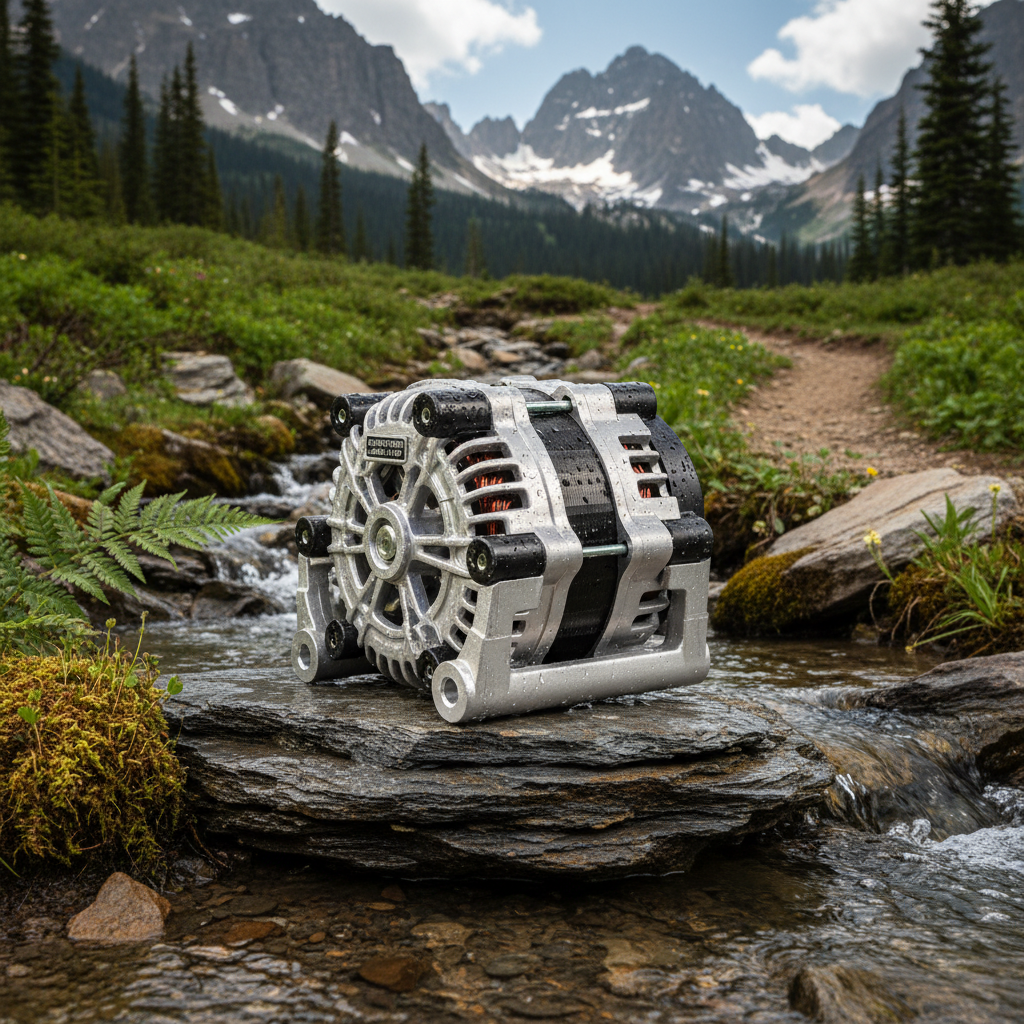
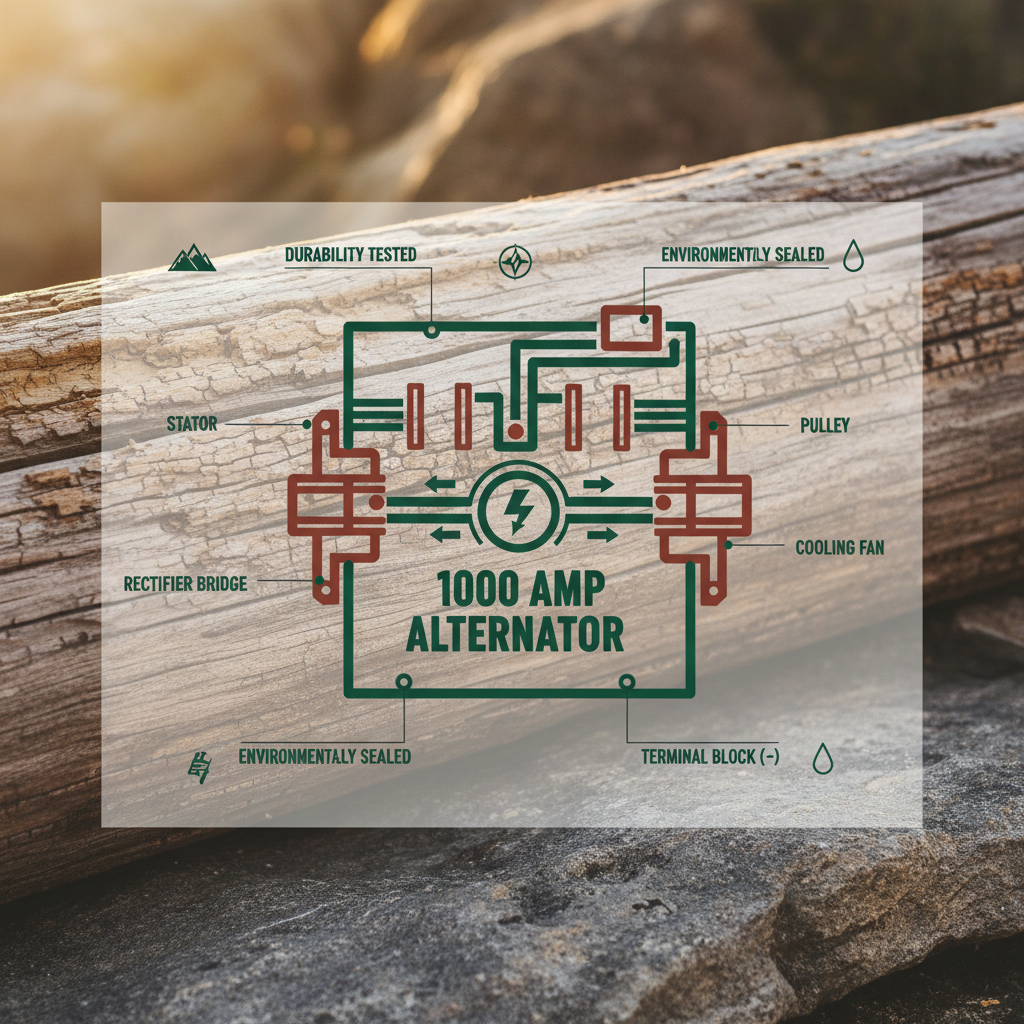
In the demanding world of heavy-duty transportation and industrial machinery, the electrical system's reliability is paramount, and at the heart of this system lies the alternator 180a. This specific amperage rating represents a critical balance between power output and efficiency, ensuring that batteries remain charged and electronic control units function flawlessly even under extreme loads. Understanding the nuances of a 180-amp alternator is not just about knowing a number; it is about ensuring the operational continuity of fleets that keep the global economy moving.
Globally, the shift toward more complex onboard electronics in trucks and construction equipment has increased the demand for higher current capacities. Whether it is a Volvo truck navigating European highways or a Caterpillar excavator in a remote mining site, the alternator 180a provides the necessary headroom to support auxiliary lighting, GPS systems, and advanced engine sensors without draining the battery. This capacity prevents costly downtime and reduces the frequency of premature battery failure.
For fleet managers and technicians, selecting the right charging component is a strategic decision that impacts long-term maintenance costs and vehicle safety. By integrating a high-quality alternator 180a, operators can ensure that their machinery maintains peak performance in diverse climates, from freezing Arctic conditions to the humid tropics, effectively bridging the gap between mechanical power and electrical stability.
Global Relevance of the Alternator 180a in Modern Transit
The global logistics network relies heavily on the uninterrupted operation of heavy-duty vehicles. Statistics from international transport forums suggest that electrical failure is one of the leading causes of roadside breakdowns. The implementation of a robust alternator 180a addresses this challenge by providing a stable current that meets the ISO standards for vehicle electrical systems, ensuring that the vehicle can start and operate reliably regardless of the external environmental stress.
In regions with rapidly expanding infrastructure, such as Southeast Asia and Africa, the demand for high-capacity alternators has surged. Construction machinery and heavy trucks operating in these zones often face extreme heat and dust, which can degrade electrical components. A high-specification alternator 180a is engineered to withstand these harsh conditions, providing the resilience needed to keep critical projects on schedule and reduce the total cost of ownership for fleet operators.
Technical Definition and Functional Mechanics
At its simplest level, an alternator 180a is an electrical generator that converts mechanical energy from the engine's crankshaft into alternating current (AC), which is then rectified into direct current (DC) to power the vehicle's electronics and recharge the battery. The "180a" designation refers to its maximum output capacity of 180 amperes. This capacity is vital for modern vehicles that utilize high-draw components such as electric fuel pumps, cooled seats, and sophisticated telematics.
The connection between this component and humanitarian or industrial needs is profound. In disaster relief operations, where heavy-duty trucks carry emergency supplies and medical equipment, a failure in the charging system can be catastrophic. The alternator 180a ensures that the vehicle remains operational in remote areas where professional repair services are unavailable, providing a safety net for critical missions.
From a mechanical perspective, the 180-amp version is often designed with optimized windings and improved heat dissipation compared to lower-amp models. This allows it to maintain its peak output for longer periods without overheating, making it the ideal choice for vehicles that spend long hours idling or operating under heavy load, such as those used in urban waste management or long-haul logistics.
Core Components Driving Performance
The durability of an alternator 180a depends heavily on its internal rotor and stator construction. High-grade copper windings are used to minimize electrical resistance, which in turn reduces heat buildup during high-amperage output. This structural integrity ensures that the unit can handle the rigorous vibrations and temperature swings typical of a heavy-duty engine bay.
Scalability and compatibility are key when integrating an alternator 180a across different brands like Cummins, Perkins, or Volvo. The regulator is the "brain" of the unit, precisely controlling the voltage to prevent overcharging the battery while ensuring that the electrical load is met. Modern regulators are now designed to communicate with the vehicle's ECU to optimize fuel efficiency by adjusting the alternator load based on real-time needs.
Cost efficiency is realized through the longevity of the bearings and the rectifier bridge. By using premium-grade bearings, the alternator 180a reduces mechanical friction and prevents premature failure. When these components work in harmony, the result is a charging system that requires minimal maintenance over hundreds of thousands of miles, providing peace of mind to the operator.
Comparative Efficiency and Power Metrics
When analyzing the performance of a charging system, it is essential to compare the alternator 180a against lower-rated alternatives. A 120a unit may suffice for a basic truck, but as soon as additional equipment is added, the system can become overloaded, leading to a "voltage drop." The 180a model provides the necessary buffer to maintain a steady 13.8V to 14.4V range, regardless of the auxiliary load.
The efficiency of the alternator 180a is most evident during cold starts and low-RPM idling. In these scenarios, the alternator must work harder to recover the energy used by the starter motor. The higher amperage capacity allows for a faster recharge cycle, ensuring that the battery is topped up quickly and is ready for the next start sequence.
Performance Rating of Alternator 180a Variants
Industrial Applications and Real-World Use Cases
The versatility of the alternator 180a allows it to be utilized across a vast spectrum of industries. In the construction sector, machinery such as loaders and graders frequently operate in "stop-and-go" cycles. The 180a output ensures that hydraulic control systems and cabin climate control are powered without compromising the engine's starting capability.
Beyond construction, the logistics industry employs the alternator 180a in heavy-duty haulage. For instance, in remote industrial zones where trucks operate 24/7, the reliability of the electrical system is a matter of safety. A failure in the alternator could lead to a loss of lighting or braking assistance, making the 180a capacity a critical safety feature rather than just a technical specification.
Long-Term Value and Reliability Benefits
Investing in a high-quality alternator 180a provides tangible economic benefits. By reducing the frequency of battery replacements—which are often caused by undercharging—fleet owners can save significantly on consumables. The logical angle here is simple: higher output leads to healthier batteries, which leads to fewer unplanned maintenance intervals.
From an emotional and psychological perspective, the stability offered by a reliable alternator 180a builds trust between the driver and the machine. Knowing that the vehicle will start every time, even in the dead of winter or after a long period of idling, reduces operator stress and increases overall productivity and workplace dignity.
Furthermore, the long-term value is seen in the residual value of the machinery. Equipment maintained with premium components, including a genuine alternator 180a, commands a higher resale price. It signals to the next buyer that the vehicle was maintained to the highest professional standards, ensuring its continued viability in the secondary market.
Future Trends in Charging Technology
The evolution of the alternator 180a is now being driven by the digital transformation of the automotive industry. We are seeing a shift toward "smart alternators" that use LIN-bus or CAN-bus communication. These systems allow the engine computer to tell the alternator 180a exactly when to charge, reducing the parasitic load on the engine and improving fuel economy by up to 2%.
Sustainability is also playing a major role. New materials are being introduced into the manufacturing of the alternator 180a to reduce the use of rare earth metals while maintaining high magnetic efficiency. This move toward green manufacturing ensures that the components are not only high-performing but also environmentally responsible.
Looking ahead, the integration of hybrid systems will likely see the alternator 180a acting as a bridge between traditional internal combustion and electrical energy storage. As vehicles move toward partial electrification, the ability to generate a consistent 180 amps will remain essential for maintaining the auxiliary systems that keep the vehicle safe and connected.
Comparison of Alternator 180a Performance Across Various Engine Brands
| Engine Brand |
Compatibility Score |
Heat Dissipation |
Average Lifespan |
| Cummins Series |
10/10 |
Excellent |
15,000+ Hours |
| Volvo Heavy Duty |
9/10 |
Very High |
12,000+ Hours |
| Perkins Industrial |
9/10 |
High |
14,000+ Hours |
| Caterpillar Construction |
10/10 |
Maximum |
16,000+ Hours |
| Mitsubishi Truck |
8/10 |
Moderate |
10,000+ Hours |
| Scania Logistics |
9/10 |
High |
13,000+ Hours |
FAQS
Yes, in most cases you can upgrade to an alternator 180a, provided the mounting brackets align and the belt drive system can handle the slight increase in mechanical load. Upgrading is often recommended if you have added auxiliary electronics. However, ensure your battery and wiring are rated for the higher current to avoid overheating the cables.
Common symptoms include a flickering dashboard, dimming headlights, or a battery warning light on the instrument cluster. You may also notice a whining noise coming from the alternator pulley or a smell of burning rubber if the belt is slipping. Using a multimeter to check the voltage at the battery while the engine is running is the best way to confirm if the alternator 180a is outputting the correct voltage.
No, the amperage rating of an alternator 180a describes its maximum capacity, not its constant output. The alternator only produces the current that the vehicle's electrical system demands. A 180a alternator is actually better for battery health because it can recharge the battery more efficiently under heavy loads without straining the internal components.
In a heavy-duty construction environment, a high-quality alternator 180a typically lasts between 10,000 to 16,000 operational hours. Lifespan can be extended by ensuring the drive belt is properly tensioned and by keeping the unit clean of debris and oil leaks, which can cause the windings to overheat or the bearings to fail prematurely.
The alternator 180a is available in both 12V and 24V configurations. It is critical to verify the voltage rating before purchase. A 24V system typically used in heavy trucks requires a specific 24V winding and regulator. Installing a 12V unit in a 24V system will result in immediate failure of the alternator and potential damage to the vehicle's electronics.
Regular maintenance includes checking the belt tension every 5,000 miles and inspecting the electrical connections for corrosion. Using dielectric grease on terminals can prevent oxidation. Additionally, avoid adding excessive electrical accessories that exceed the alternator 180a's capacity, as constant peak-load operation will shorten the life of the diodes and voltage regulator.
Conclusion
The alternator 180a stands as a cornerstone of modern vehicle reliability, bridging the gap between raw engine power and the sophisticated electrical needs of today's industrial machinery. From its high-grade copper windings to its precise voltage regulation, every aspect of this component is designed to minimize downtime and maximize operational efficiency. By providing a robust power buffer, it ensures that whether in the heart of a city or the depths of a mine, the electrical system remains stable and the battery remains charged.
As the industry moves toward smarter, greener technology, the role of high-capacity alternators will only become more critical. We suggest that fleet managers prioritize quality over initial cost, as the long-term savings in battery life and reduced downtime far outweigh the price difference of a premium unit. To ensure your fleet remains powered and productive, invest in components that meet the highest industry standards. Visit our website for more professional solutions: www.jltalternator.com