Procuring a replacement alternator for heavy-duty machinery often presents a conflict between immediate budget constraints and long-term operational reliability. When fleet managers search for the ideal alternator motor price, they are rarely looking for the lowest number, but rather the lowest total cost of ownership over the component's lifecycle.
In the automotive electrical sector, pricing is rarely static; it fluctuates based on copper availability, winding precision, and the specific demands of the engine series, such as the Howo D12. Understanding the variables that drive these costs allows operators to distinguish between a "cheap" part and a "cost-effective" investment that prevents unplanned vehicle downtime.
This report analyzes the current market dynamics of alternator pricing, the technical factors that justify price variances, and a practical framework for evaluating suppliers in the commercial vehicle and construction machinery segments.


The pricing of automotive alternators is fundamentally tied to raw material indices, particularly the cost of copper for windings and aluminum for the housing. However, for specialized heavy-duty units, such as those for Volvo or Scania trucks, the price is more heavily influenced by the precision of the voltage regulator and the quality of the rectifier diodes.
Furthermore, the distinction between Original Equipment Manufacturer (OEM) specifications and aftermarket alternatives creates a wide price spectrum. Units produced in specialized hubs, such as Hebei, China, often leverage integrated supply chains to offer competitive pricing without sacrificing the structural integrity required for diesel engine environments.
One of the primary drivers of the alternator motor price is the ampere rating and the efficiency of the internal cooling system. High-output alternators required for construction machinery must dissipate heat more effectively to maintain stable power generation under load, necessitating higher-grade bearings and optimized fan blade geometries.
The complexity of the regulator also plays a critical role. Modern alternators often integrate intelligent sensing to communicate with the vehicle's Engine Control Unit (ECU), reducing fuel consumption by adjusting the load on the engine. The integration of these electronic components increases the initial cost but reduces operational overhead.
Lastly, the manufacturing process—specifically the use of CNC machining centers and dynamic balancing—ensures that the unit operates with minimal vibration. This reduces wear on the drive belt and pulleys, shifting the value proposition from the purchase price to the extended service interval.
When analyzing cost, it is essential to consider the impact of failure. A low-cost alternator that fails in a remote construction site results in downtime costs that can exceed the part's price by a factor of ten. This makes the warranty and the quality control system of the manufacturer central to the value equation.
The true value of an alternator is not found in the initial procurement cost, but in its ability to maintain consistent voltage output under extreme thermal stress, thereby protecting the vehicle's batteries and sensitive electronic systems.
Manufacturers with 30 years of experience typically implement a 100% factory testing protocol, using DV testing benches to simulate real-world loads. This rigorous approach ensures that every unit, regardless of whether it is for a Cummins or Daewoo engine, meets international sampling standards before shipment.
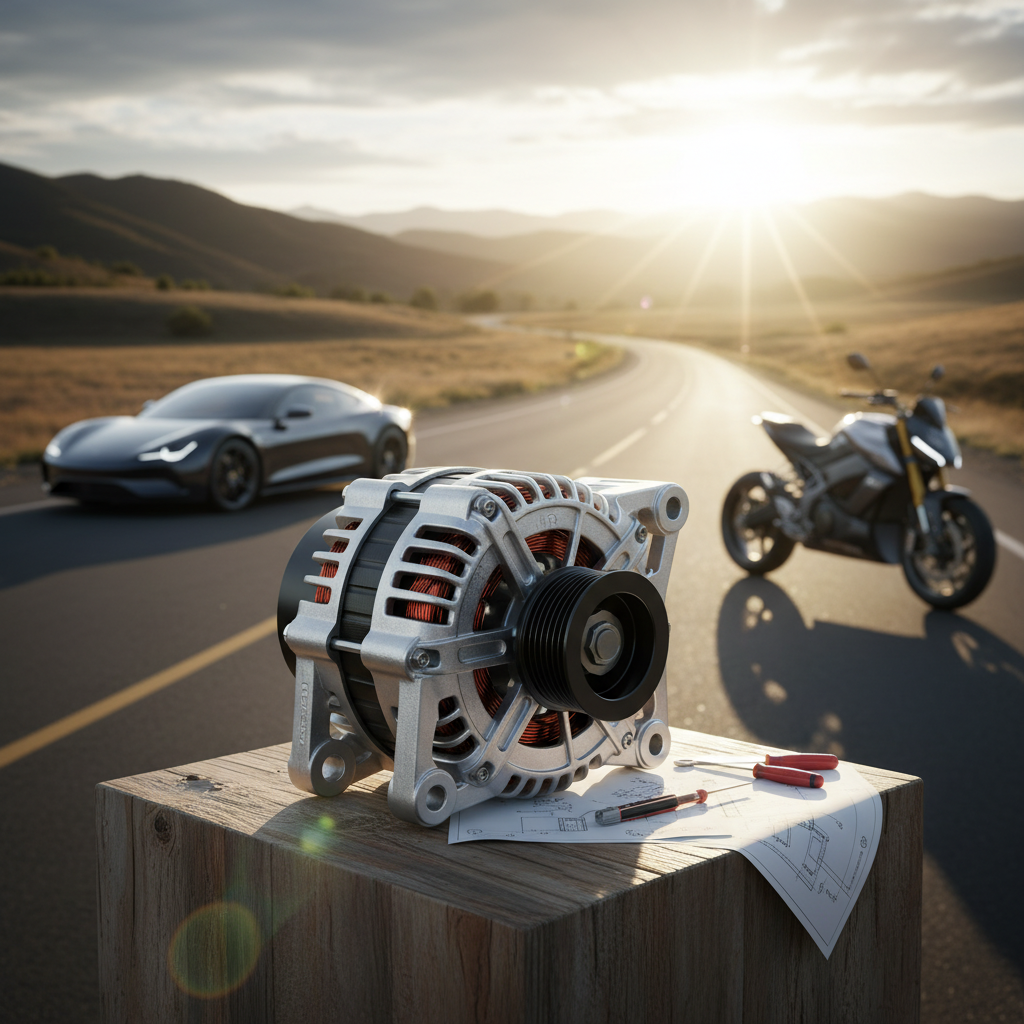
Different vehicle categories place varied demands on the charging system, which reflects in the relative pricing and specifications. For instance, a heavy-duty truck alternator for a HOWO D12 series engine must handle higher vibration and dust levels than a standard passenger car alternator, justifying a higher cost for reinforced housings and sealed bearings.
By evaluating the "Value Index"—a ratio of durability and output relative to price—operators can better allocate their maintenance budgets. The following chart illustrates the relative value focus across different heavy-duty sectors.
In a typical industrial setting, such as a quarry operating Caterpillar or Perkins equipment, the alternator is exposed to extreme particulate matter. In these scenarios, the selection criteria shift from simple price to the level of sealing and the quality of the internal filtration. A unit that is nominally cheaper but lacks proper dust protection will fail prematurely, leading to costly logistical delays.
For fleet managers operating a mix of brands—from Mitsubishi to Nissan or Mercedes-Benz—standardizing on a supplier that can provide high-precision OEM-compatible units (such as the VG1246090017 for Howo) simplifies inventory management. The ability to source parts with a quick response time and flexible minimum order quantities (MOQ) further reduces the cost of carrying excess stock.
The automotive power industry is currently moving toward low-carbon upgrades and higher electrical efficiency. This evolution is driven by the increasing number of electronic accessories in heavy trucks, from advanced telematics to climate control systems, all of which place a greater load on the alternator.
As a result, the industry is seeing a shift toward "intelligent alternators" that can dynamically adjust output. While this increases the complexity of the internal circuitry, it enhances the lifespan of the battery and the alternator itself by preventing overcharging and reducing mechanical drag.
Future challenges involve adapting these systems for hybrid diesel-electric powertrains. The transition requires a new approach to voltage regulation and heat management, ensuring that the alternator can coexist with high-voltage battery systems without inducing electrical interference.
Selecting a supplier for charging systems requires a balanced evaluation of manufacturing capacity and quality assurance. A professional manufacturer with decades of experience and a large-scale production facility (e.g., over 26,000 square meters) is more likely to maintain consistency across batches than a small-scale assembler.
Buyers should look for specific indicators of expertise: the use of precision CNC machining, the presence of automatic paint dipping machines for corrosion resistance, and a transparent warranty policy. A 6-month guarantee on alternator quality, combined with lifetime technical support, provides a safety net that justifies a moderate price premium.
The following matrix provides a framework for comparing different tiers of alternator solutions based on operational requirements.
| Requirement Level | Typical Application | Key Technical Focus | Relative Suitability |
|---|---|---|---|
| Standard Duty | Urban Delivery Vans | Basic Voltage Stability | Economy Tier |
| Heavy Duty | Long-Haul Logistics | Thermal Endurance | Performance Tier |
| Extreme Duty | Mining/Construction | Dust/Water Sealing | Industrial Tier |
| Precision Fit | OEM Replacements | Dimensional Accuracy | OEM-Compatible Tier |
| Customized | Specialized Machinery | Custom Ampere Output | Bespoke Tier |
| Budget Focused | Secondary Fleet | Initial Cost Reduction | Aftermarket Tier |
The price variance is primarily driven by the quality of raw materials (copper and aluminum), the precision of the voltage regulator, and the ampere output capacity. Heavy-duty units for engines like the Cummins or Volvo series require reinforced housings and higher-grade bearings to survive extreme vibration, which increases the cost compared to light-duty alternatives. Additionally, the level of factory testing—such as 100% inspection on DV benches—adds value through guaranteed reliability.
A safe investment is characterized by three factors: technical compliance with OEM parameters (e.g., exact width and height dimensions), a proven manufacturing history, and a clear warranty. Check if the manufacturer utilizes CNC machining and dynamic balancing to reduce wear. A supplier offering a 6-month quality guarantee and professional technical support typically indicates a confidence in their strict quality control system and international sampling standards.
For commercial fleets and construction machinery, durability almost always outweighs the initial price saving. The cost of a single hour of vehicle downtime often exceeds the price difference between a budget unit and a high-performance one. Choosing a durable alternator reduces the frequency of replacements and prevents secondary damage to the battery and ECU, resulting in a lower total cost of ownership over the vehicle's life.
Common warning signs include flickering dashboard lights, a whining or grinding noise from the front of the engine (indicating bearing failure), and a battery that fails to hold a charge despite being new. In heavy-duty trucks, an unstable voltage reading on the gauge often indicates a failing regulator. Replacing the unit proactively prevents a total electrical failure that could leave a vehicle stranded in a critical operational area.
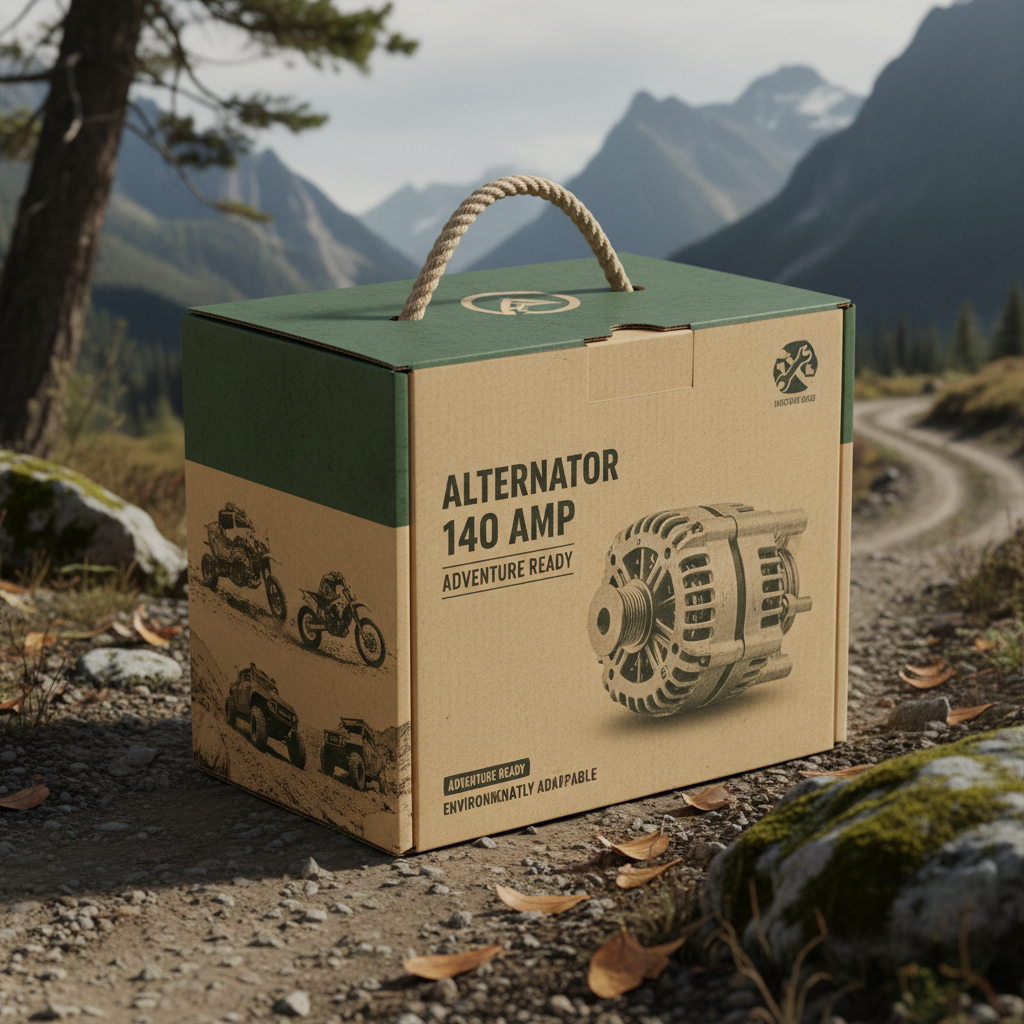
While the unit price remains stable, logistics and packaging options can impact the overall procurement cost. Professional manufacturers often offer neutral, colored, or personalized packaging to suit different distribution needs. Choosing standard packaging typically reduces costs, but for international shipping to regions like Africa or Southeast Asia, reinforced personalized packaging is recommended to prevent transit damage, which is a critical consideration for maintaining part integrity.
Depending on the order volume and customization requirements, the delivery cycle generally ranges from 7 to 30 days. Manufacturers with integrated production lines and high annual capacities (over 300,000 units) can often respond more quickly. For urgent replacements, selecting a supplier that accepts small orders (MOQ: 1PCS) and provides quick response times (within 2 hours) is essential for minimizing fleet downtime.
Navigating the complexities of the alternator motor price requires a shift in perspective from "price per unit" to "value per hour of operation." In the demanding world of heavy-duty transport and construction, the electrical system is the heart of vehicle reliability. Investing in units that adhere to strict quality control and OEM specifications is the only sustainable way to manage fleet maintenance.
Whether sourcing for a single Howo truck or a fleet of Volvo and Cummins machinery, the priority should remain on technical precision and manufacturer expertise. By focusing on durability, efficient power generation, and professional after-sales support, operators can ensure their vehicles remain powered and productive in any environment.