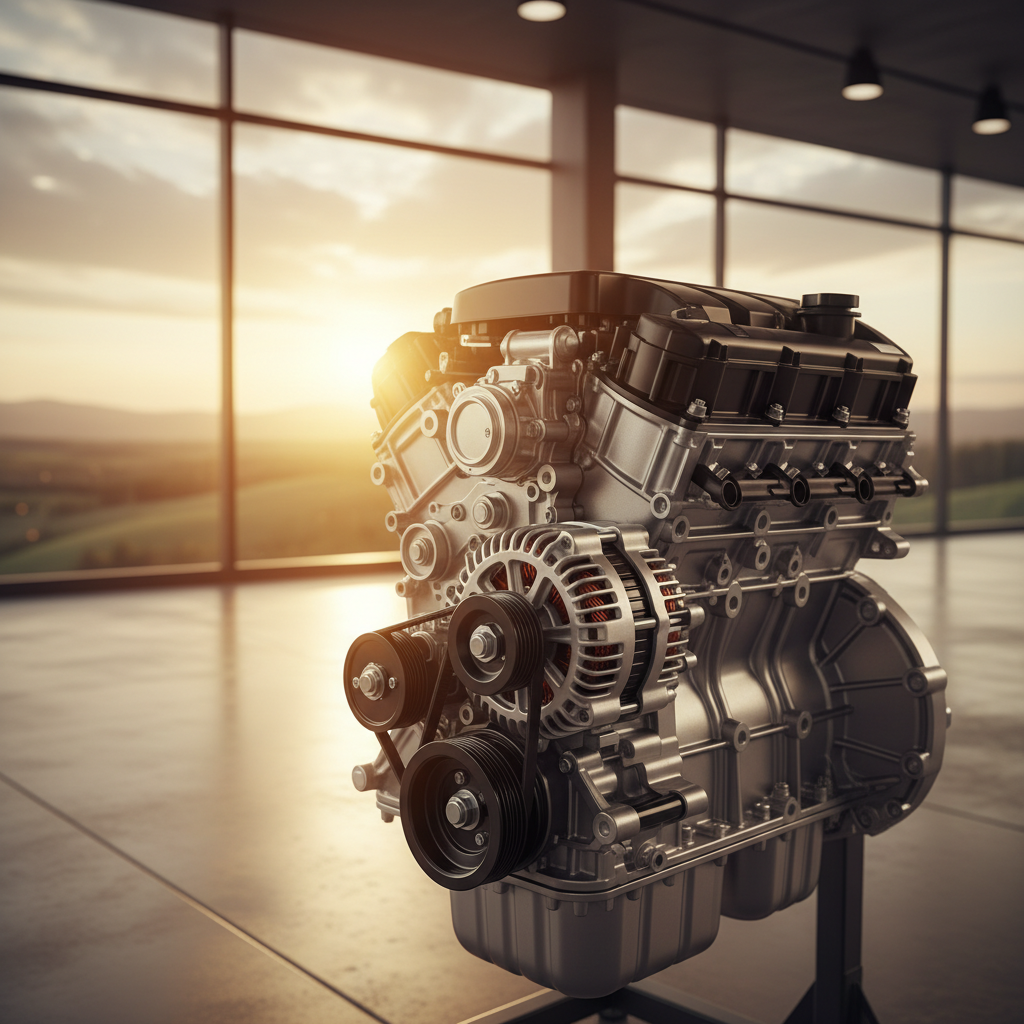
The automotive alternator is a cornerstone of modern vehicle operation, silently working to provide the electrical power needed for everything from starting the engine to running the infotainment system. Its importance extends beyond just convenience; it’s a critical safety component and a key enabler of the advanced technologies found in today's cars. Understanding the function and components of an automotive alternator is crucial for anyone involved in automotive maintenance, repair, or engineering.
Globally, the demand for reliable automotive alternators is directly tied to the ever-increasing number of vehicles on the road, currently exceeding 1.4 billion according to UN statistics. As vehicles become more complex with features like electric power steering, advanced driver-assistance systems (ADAS), and increasing reliance on electronic control units (ECUs), the demand on the alternator to deliver consistent and sufficient power continues to rise. This pressure drives innovation in alternator design and manufacturing.
The automotive alternator addresses a fundamental challenge: generating electrical power while the engine is running. Prior to alternators, vehicles relied on DC generators which were less efficient and required more maintenance. The automotive alternator’s invention represented a significant step forward, offering increased output and improved reliability—essential for supporting the growing electrical demands of modern vehicles.
Defining Automotive Alternator Functionality
An automotive alternator is an electrical generator that converts mechanical energy from the engine’s rotation into electrical energy. It is a crucial part of the vehicle’s charging system, responsible for replenishing the battery and powering all electrical components while the engine is running. Without a functioning automotive alternator, the vehicle would quickly drain its battery and become inoperable.
The alternator’s connection to modern industry extends beyond simply powering cars and trucks. The principles of alternator design and manufacturing are applied in a wide range of applications, including renewable energy systems (wind turbines), emergency power generators, and even specialized industrial machinery. The continuous demand for efficient and reliable power generation makes alternator technology a vital component of numerous sectors.
The Global Automotive Alternator Market
The global automotive alternator market is a multi-billion dollar industry, driven by both the production of new vehicles and the demand for replacement parts. The Asia-Pacific region dominates the market, fueled by its rapidly growing automotive industry, particularly in countries like China and India. North America and Europe also represent significant markets, with a focus on high-performance and technologically advanced alternators.
According to a report by Market Research Future, the automotive alternator market is projected to grow at a CAGR of around 4% between 2023 and 2030. This growth is driven by the increasing adoption of electric and hybrid vehicles, which require robust charging systems, and the rising demand for advanced vehicle features that consume more electrical power.
A key challenge facing the automotive alternator market is the shift towards electric vehicles (EVs). While EVs don’t use traditional alternators, they still require sophisticated power conversion systems, creating opportunities for alternator manufacturers to adapt and innovate in the evolving automotive landscape. The need for efficient power management in hybrid vehicles, which combine internal combustion engines with electric motors, also presents a significant market opportunity.
Core Components of an Automotive Alternator
An automotive alternator comprises several key components working in harmony. The rotor, containing electromagnets, spins within the stator, which houses copper windings. As the rotor spins, it creates a changing magnetic field, inducing an electrical current in the stator windings. This current is then converted from AC to DC by the rectifier, making it usable for charging the battery and powering the vehicle’s electrical systems.
The voltage regulator is another critical component, maintaining a consistent output voltage regardless of engine speed or electrical load. The slip rings and brushes facilitate electrical contact between the rotating rotor and the stationary stator, while the pulley system, driven by the engine’s accessory belt, provides the mechanical force to spin the rotor. Each of these components must function reliably to ensure optimal alternator performance.
Modern alternators often include features like integrated overvoltage protection and automatic load detection to further enhance reliability and efficiency. High-quality components, such as heavy-duty bearings and durable copper windings, are essential for extending the alternator’s lifespan and minimizing the risk of failure. Finding a trusted supplier of automotive alternator parts is crucial for ensuring quality and performance.
Key Performance Indicators of Automotive Alternators
Several key performance indicators (KPIs) are used to assess the effectiveness of an automotive alternator. Output current, measured in amperes (amps), indicates the alternator's ability to supply power to the vehicle's electrical systems. Voltage regulation, typically around 13.5-14.5 volts, is crucial for maintaining battery health and preventing damage to sensitive electronic components.
Efficiency, expressed as a percentage, represents the amount of mechanical energy converted into electrical energy. Higher efficiency translates to reduced energy loss and improved fuel economy. Ripple, a measure of AC voltage present in the DC output, should be minimal to prevent interference with electronic systems.
Automotive Alternator Performance Metrics
Real-World Applications Across Industries
While primarily known for automotive applications, the principles behind the automotive alternator are utilized in diverse fields. Emergency power generators rely on alternator technology to provide backup electricity during outages, safeguarding critical infrastructure and ensuring public safety.
In the marine industry, alternators are essential for powering onboard electrical systems, from navigation equipment to lighting and refrigeration. Wind turbines employ large-scale alternators to convert the kinetic energy of the wind into usable electricity, contributing to renewable energy production.
The Advantages of Modern Automotive Alternators
Modern automotive alternators offer several advantages over older generator designs. Increased efficiency results in reduced fuel consumption and lower emissions. Improved reliability minimizes the risk of breakdowns and costly repairs. Higher output capacity ensures sufficient power for the increasingly complex electrical systems found in modern vehicles.
The compact size and lightweight construction of modern alternators contribute to improved vehicle performance and handling. Advanced features, such as automatic voltage regulation and overvoltage protection, enhance safety and protect sensitive electronic components.
Future Trends in Automotive Alternator Technology
The future of automotive alternator technology is being shaped by several key trends. The increasing adoption of 48-volt electrical systems in vehicles is driving demand for more powerful and efficient alternators. Research is focused on developing lighter-weight alternators using advanced materials, such as silicon carbide semiconductors.
Integration with regenerative braking systems allows for energy recovery during deceleration, further improving fuel efficiency. Smart alternators with advanced diagnostics and predictive maintenance capabilities are also on the horizon, enabling proactive maintenance and minimizing downtime. The focus is on adapting alternator technology to support the evolving needs of the automotive industry, particularly as it transitions towards electrification.
Furthermore, advancements in coil winding technologies and magnetic materials are paving the way for more compact, efficient, and robust automotive alternator designs. These innovations aim to reduce energy losses, improve heat dissipation, and enhance overall system reliability.
FAQS
Common signs include dim headlights, warning lights on the dashboard (often a battery symbol), difficulty starting the engine, unusual noises from the alternator, and electrical system malfunctions like power windows operating slowly. A failing alternator can also drain the battery, requiring frequent jump starts. Regular check-ups are essential for early detection.
The lifespan of an automotive alternator varies depending on driving conditions, vehicle type, and the quality of the alternator. Generally, an alternator can last between 7 to 10 years or 80,000 to 150,000 miles. However, if you notice any of the warning signs mentioned above, it's best to have it inspected by a qualified mechanic.
Yes, you can perform a basic alternator test at home using a multimeter. With the engine running, check the voltage across the battery terminals. It should read between 13.5 and 14.5 volts. A lower or higher reading indicates a potential alternator problem. However, for a more accurate diagnosis, it’s recommended to have a professional test performed.
While both alternators and generators produce electricity, they differ in how they do so. Generators produce DC electricity directly, while alternators produce AC electricity, which is then converted to DC using a rectifier. Alternators are more efficient, lighter, and more reliable than generators, making them the preferred choice for modern vehicles.
Yes, it is possible to rebuild an automotive alternator, but it requires specialized knowledge and tools. Rebuilding typically involves replacing worn components like bearings, brushes, and rectifier diodes. While rebuilding can be more cost-effective than replacing the alternator, it's important to ensure the work is performed by a qualified technician.
The automotive alternator doesn’t directly power the car’s systems while it’s running, rather it recharges the battery, which then delivers power to those systems. The alternator’s job is to replace the power used by the starter and electrical devices. A healthy alternator keeps the battery consistently charged, ensuring reliable vehicle operation.
Conclusion
In summary, the automotive alternator is a vital component of modern vehicles, responsible for providing the electrical power needed for operation and powering the increasingly sophisticated features of today’s cars. From its core components to its widespread applications, understanding the alternator’s function is crucial for anyone involved in the automotive industry. Continuous innovation in materials, design, and integration with emerging technologies is shaping the future of this essential system.
Looking ahead, advancements in alternator technology will continue to focus on improving efficiency, reducing weight, and enhancing reliability. Embracing these innovations will not only benefit the automotive industry but also contribute to a more sustainable and energy-efficient future. For high-quality automotive alternator products and expert support, visit our website today.