In the demanding world of heavy-duty automotive engineering, the efficiency of the electrical charging system is paramount. An alternator 140 a serves as the heartbeat of a vehicle's power management, ensuring that batteries remain charged and electronic control units function without interruption. Whether powering a construction crane or a long-haul truck, the consistency of a 140-amp output is critical for operational uptime.
Globally, the shift toward more complex onboard electronics—ranging from advanced telematics to heavy-duty climate control systems—has pushed the requirement for higher amperage. The alternator 140 a provides the ideal balance between compact size and robust power delivery, making it a standard choice for manufacturers across the European and Asian markets.
Understanding the technical nuances of these components is not just about mechanical replacement; it is about optimizing the lifecycle of the vehicle. By choosing a high-quality alternator 140 a, fleet managers can significantly reduce downtime and prevent the costly cascading failures that occur when a charging system fails under load.
Global Industry Relevance of Alternator 140 a
The global logistics and construction sectors rely heavily on the stability of electrical systems. An alternator 140 a is not merely a part; it is a critical component that supports ISO-standardized heavy machinery. With the rise of global trade, the demand for reliable power generation in trucks and excavators has led to a standardized preference for the 140-amp range.
Industry data suggests that electrical failures account for a significant percentage of roadside breakdowns in commercial fleets. By implementing a robust alternator 140 a, operators can mitigate the risk of power starvation, ensuring that essential safety systems and engine sensors operate within their specified parameters regardless of the environmental conditions.
Technical Definition and Functional Meaning
In simple terms, an alternator 140 a is an electrical generator that converts mechanical energy from the engine's crankshaft into 140 amperes of direct current (DC) via a rectifier. This specific amperage rating indicates the maximum current the unit can produce under optimal conditions, which is crucial for charging large batteries and supporting high-load electrical accessories.
The significance of the 140a rating lies in its versatility. It is powerful enough to support the rigorous demands of a Volvo or Scania heavy truck, yet efficient enough not to place an excessive parasitic load on the engine. This balance is essential for maintaining fuel efficiency while ensuring the vehicle's electrical "budget" is never in deficit.
Beyond the numbers, this component represents the bridge between raw mechanical power and digital precision. In modern construction machinery, the alternator 140 a ensures that hydraulic control modules and GPS tracking systems receive a steady flow of current, preventing system resets or data loss during critical operations.
Core Components and Durability Factors
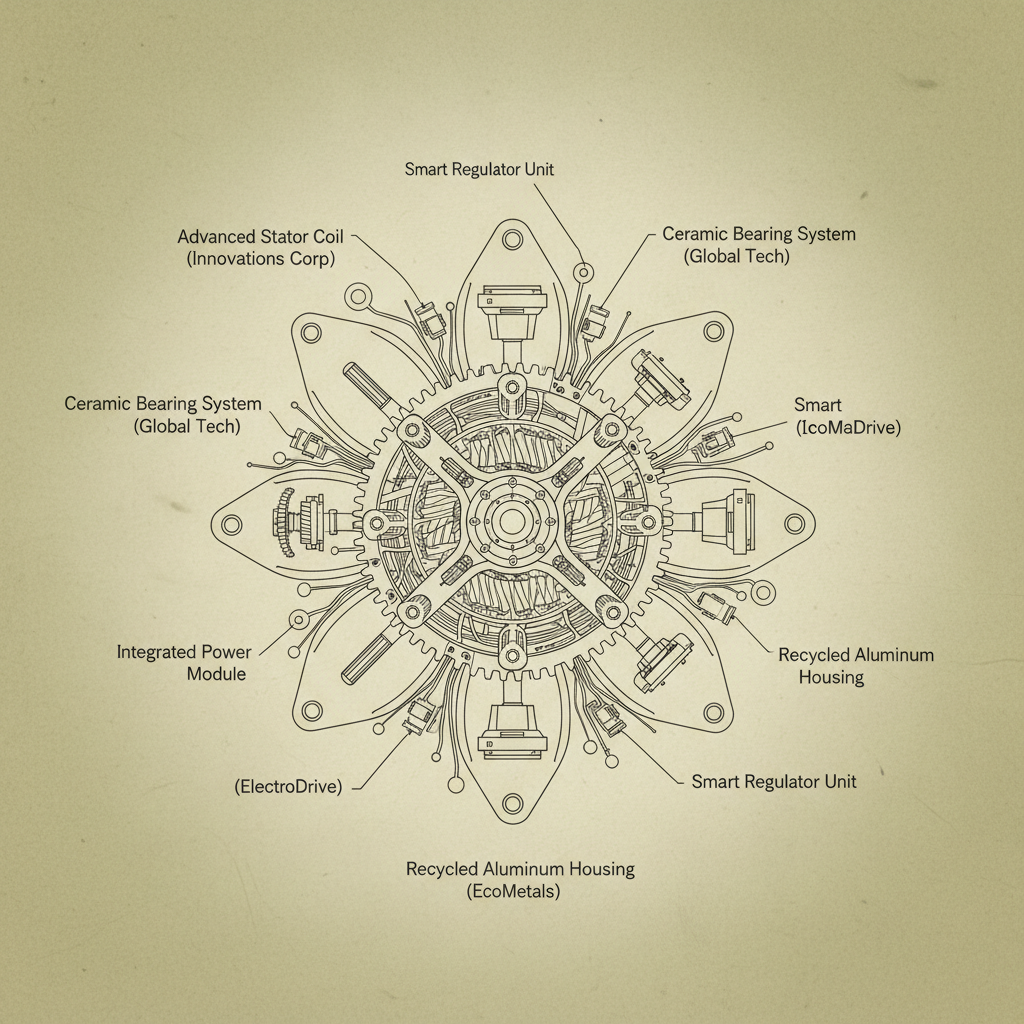
The longevity of an alternator 140 a depends largely on the quality of its internal copper windings and the precision of its voltage regulator. High-grade copper ensures minimal heat buildup during peak 140a output, which prevents the insulation from degrading over time in high-temperature environments.
Another critical factor is the bearing assembly. A premium alternator 140 a utilizes reinforced steel bearings that can withstand the high RPMs of diesel engines. This reduces mechanical friction and prevents the premature failure of the pulley system, which is a common point of failure in lower-quality alternatives.
Finally, the rectification bridge—the set of diodes that convert AC to DC—must be rated for currents well above 140a to provide a safety margin. This thermal headroom ensures that when the alternator 140 a is operating at full capacity, it does not suffer from diode burnout, ensuring consistent power delivery to the battery.
Performance Metrics and Efficiency Analysis
When evaluating an alternator 140 a, efficiency is measured by the ratio of mechanical energy input to electrical energy output. A high-efficiency unit minimizes the "drag" on the engine, which directly translates to better fuel economy for the vehicle fleet.
Thermal management is another key metric. A well-engineered alternator 140 a features optimized cooling vents and high-conductivity housing to dissipate heat rapidly, allowing it to maintain a steady 140a output even in tropical climates or under heavy idling conditions.
Comparative Efficiency of Alternator 140 a Configurations
Global Applications and Use Cases
The alternator 140 a finds its most critical application in heavy-duty logistics across Europe and North America. In long-haul trucking, where vehicles are equipped with sleeper cabs, refrigerators, and advanced navigation, the 140a capacity ensures that these comforts do not drain the battery while the engine is running.
In remote industrial zones, such as mining sites in Australia or construction projects in Southeast Asia, the alternator 140 a is used in generators and heavy machinery (like Caterpillar or Cummins powered units). In these harsh environments, the ability to maintain a consistent charge despite dust and extreme vibrations is what separates a professional-grade alternator from a standard one.
Long-Term Value and Reliability Benefits
Investing in a high-quality alternator 140 a provides immediate logical benefits in the form of reduced maintenance costs. When a charging system is properly matched to the vehicle's load, the battery lifespan is extended, as it is not subjected to deep discharge cycles or overcharging.
From an emotional standpoint, reliability breeds trust. For a fleet operator, knowing that every vehicle is equipped with a dependable alternator 140 a means fewer emergency calls and higher driver confidence. This reliability is a cornerstone of safety, ensuring that critical lighting and braking electronics never fail due to power loss.
Furthermore, the sustainability aspect cannot be ignored. A more efficient alternator 140 a reduces the overall carbon footprint of the vehicle by optimizing the energy conversion process, aligning industrial operations with modern green energy goals.
Future Trends in Alternator Technology
The future of the alternator 140 a is trending toward "smart" charging systems. Integration with the vehicle's ECU (Engine Control Unit) allows the alternator to vary its output based on real-time demand, reducing engine load during acceleration and increasing it during braking, similar to regenerative braking in hybrids.
Material science is also evolving. We are seeing the introduction of lightweight aluminum alloys and advanced composite insulators that allow the alternator 140 a to be smaller and lighter without sacrificing its 140-amp capacity. This weight reduction is critical for improving the overall efficiency of heavy-duty vehicles.
As the industry moves toward electrification, the alternator 140 a will likely evolve into a hybrid power module, combining traditional alternation with energy storage capacitors to handle sudden spikes in electrical demand, ensuring an even smoother power delivery.
Technical Analysis of Alternator 140 a Across Different Brands
|
Brand Compatibility
|
Build Quality Score (1-10)
|
Typical Lifespan (Hours)
|
Thermal Efficiency
|
| Volvo Series |
9.5 |
12,000 |
Excellent |
| Cummins Series |
9.2 |
11,500 |
Very High |
| Scania Series |
9.0 |
11,000 |
High |
| Perkins Series |
8.8 |
10,000 |
Moderate |
| Mitsubishi Series |
8.5 |
9,500 |
High |
| Generic Heavy Duty |
7.0 |
6,000 |
Low |
FAQS
Yes, in most cases, upgrading to an alternator 140 a is a beneficial upgrade. However, you must ensure that your wiring gauge can handle the additional current and that the mounting brackets are compatible. Increasing the amperage provides more headroom for electrical accessories, provided the battery can accept the charge rate.
Common signs include a flickering dashboard, dimming headlights, or a battery warning light on the console. You might also notice a whining noise caused by a failing bearing within the alternator 140 a or a smell of burning rubber if the belt is slipping due to internal resistance.
While alternators are generally sealed units, you should inspect the drive belt tension and wiring connections every 6 months. For heavy-duty applications, a professional voltage check on the alternator 140 a during annual fleet maintenance ensures the regulator is still maintaining the correct voltage output.
No, the 140a rating is the maximum output. An alternator 140 a typically produces lower current at idle and reaches its full 140-amp capacity as the engine RPM increases. This is why high-idle settings are often used in construction machinery to ensure sufficient charging.
While a standard heavy-duty battery usually works, it is recommended to use a battery with a high Cold Cranking Amp (CCA) rating that can handle the charge current of an alternator 140 a without overheating, especially in high-temperature industrial environments.
The primary reason is the "electrical overhead." An alternator 140 a operates with less strain when powering multiple electronics, meaning it runs cooler and lasts longer than a 100a unit that is constantly pushed to its maximum limit.
Conclusion
In conclusion, the alternator 140 a stands as a pivotal component in the automotive and industrial sectors, bridging the gap between engine power and electrical reliability. From its core copper windings to its precise voltage regulation, every aspect of its design is aimed at ensuring that heavy-duty vehicles remain operational under the most grueling conditions. By focusing on durability, efficiency, and proper brand compatibility, operators can secure a long-term investment that protects their fleet and enhances safety.
Looking forward, as we move toward smarter, more sustainable transportation, the role of the alternator 140 a will continue to evolve through digital integration and advanced materials. We suggest that fleet managers prioritize high-efficiency units to reduce fuel costs and maintenance downtime. For those seeking the highest standards in power generation, visit our website: www.jltalternator.com to find the perfect match for your machinery.