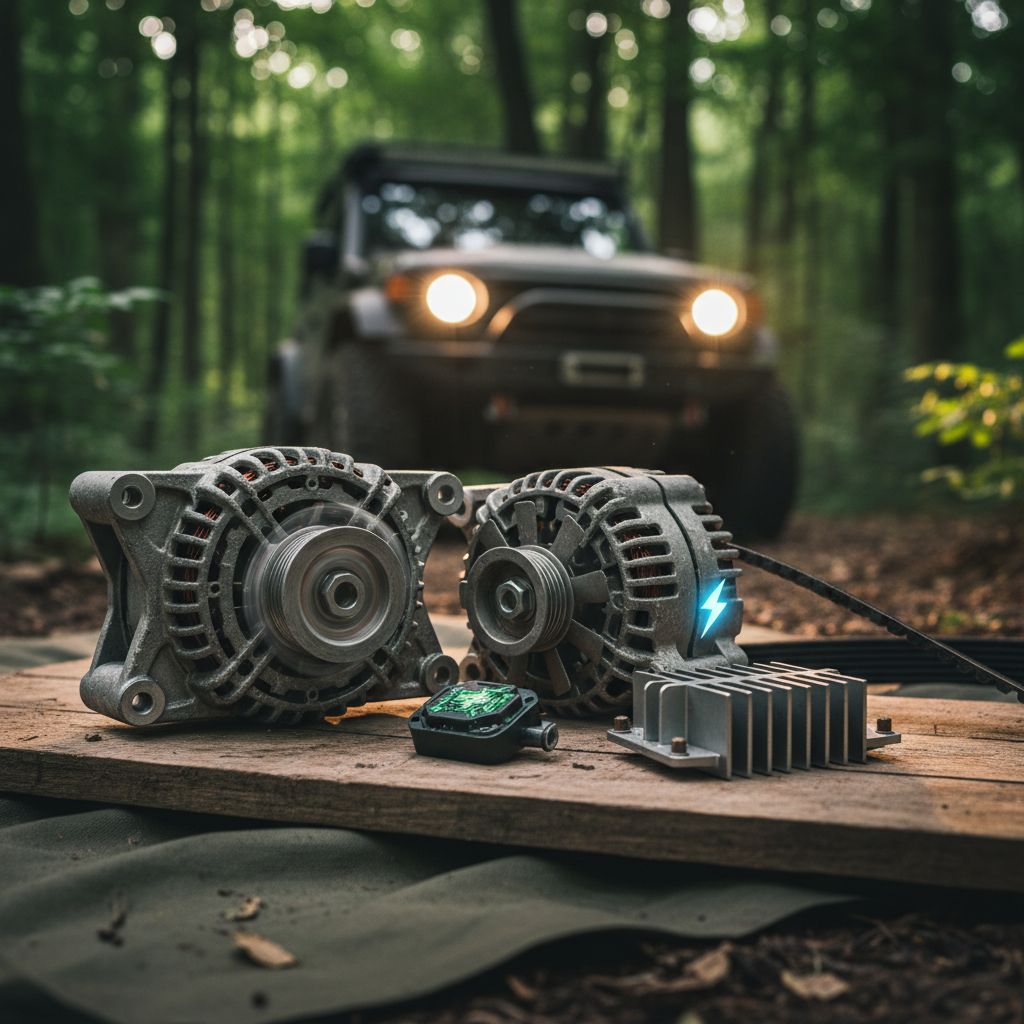
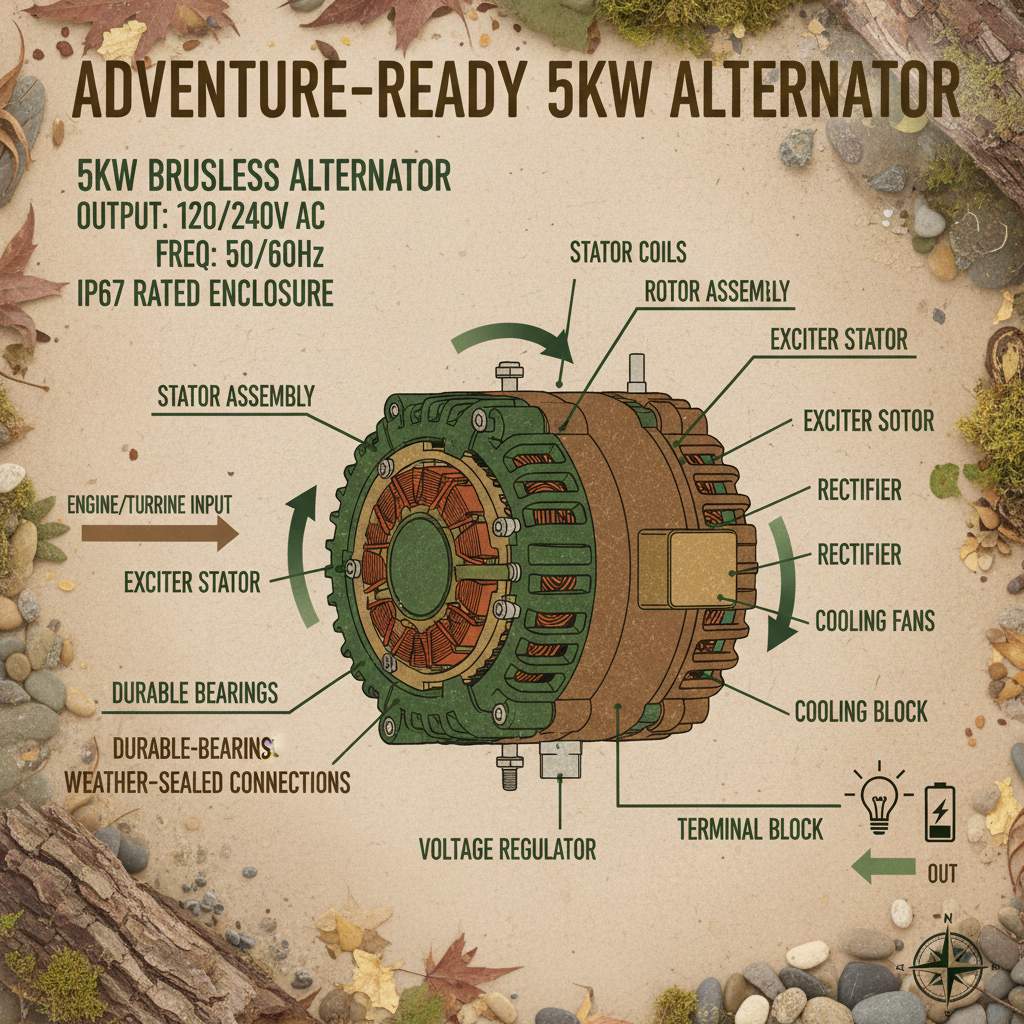
Look, the whole industry's buzzing about miniaturization, right? Everything's gotta be smaller, lighter, more efficient. But honestly, chasing that down too hard… you end up with something fiddly and fragile. I've seen it happen a dozen times. People get so focused on the specs sheet, they forget about how a guy's actually gonna use it out in the field, wrestling with greasy hands and limited space. It's a balancing act, and a tough one.
Have you noticed how everyone's obsessed with carbon fiber these days? Looks great in the brochures, sure. But the dust… oh man, the dust. Gets everywhere. And it’s a pain to cut, even with the fancy diamond blades. I was at a factory in Ningbo last time, and they were complaining about the respiratory issues among the workers. Seriously, you gotta weigh the benefits against the real-world costs. Then there's aluminum alloys – 6061, 7075, the whole shebang. Feels solid, right? Smells like metal, which is reassuring. But it dents. It corrodes. It needs proper coatings, and those coatings are where things get complicated.
And don’t even get me started on testing. Labs are fine for basic stress tests, but they don’t simulate a construction site. Real-world testing means dropping it from a scaffold, burying it in mud, leaving it baking in the sun for a week, then trying to get it working again. That’s when you find the weaknesses. I remember one time, a team insisted their new connector was waterproof based on lab results. We dunked it in a bucket of dirty water, and… well, let's just say it wasn’t.
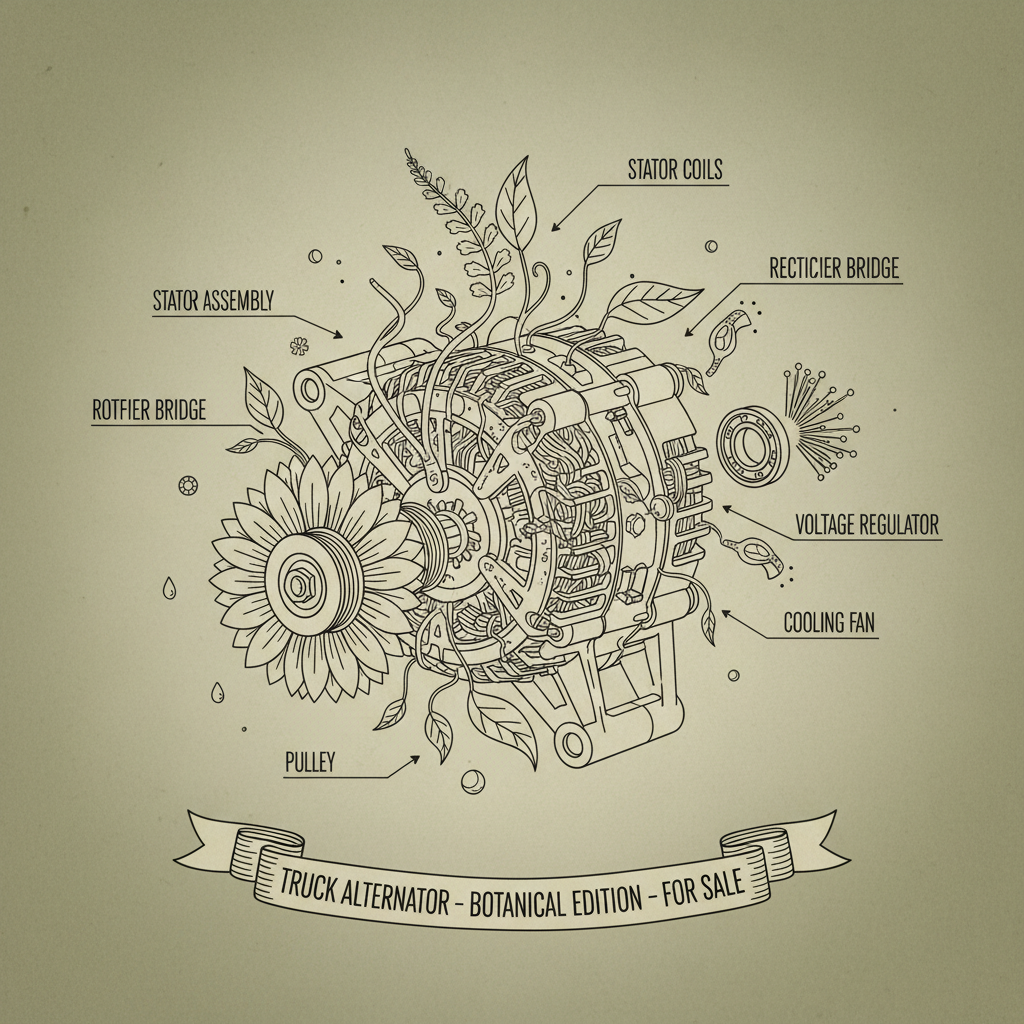
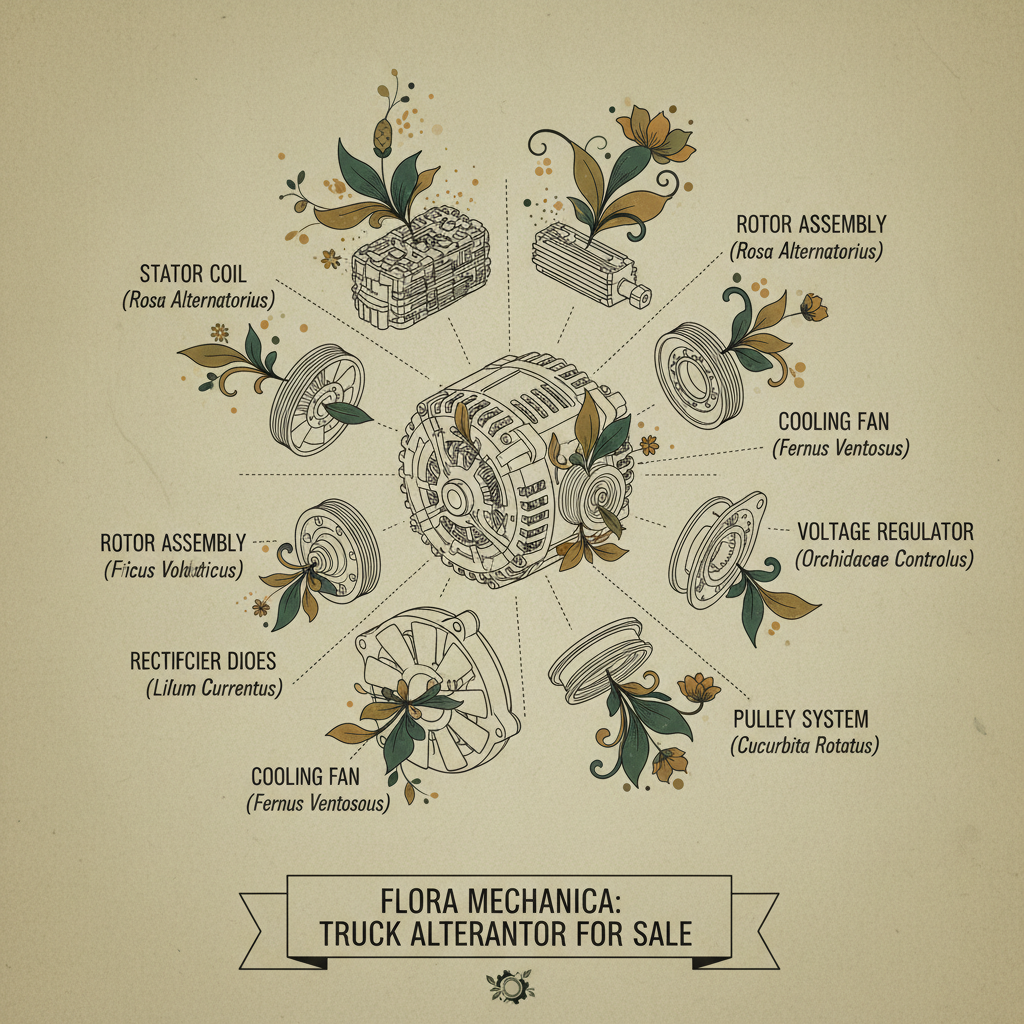
These days, everyone wants more power, more reliability, and more efficiency from their truck alternator. It’s a constant push. And frankly, the demand for truck alternator for sale is through the roof. Especially with these new electric accessories – winches, auxiliary lights, you name it – they're putting a massive strain on the electrical system.
Strangely, a lot of manufacturers are trying to cut costs by using cheaper components. And it shows. I saw one unit from a certain supplier that had a regulator that just… gave up after a few months. The whole truck went dark. Not a good look. You really gotta watch out for that.
The best way is to bench test it with a load tester. This simulates the electrical load the alternator will experience in the truck, allowing you to check the voltage output and amperage. Don't just rely on a voltmeter; you need to see how it performs under load. Also, visually inspect for any signs of damage or corrosion – a quick look can save you a headache later.
Common signs include dim headlights, a weak battery, warning lights on the dashboard, unusual noises (whining or grinding), and stalling. But sometimes it's subtle, like the battery struggling to hold a charge. If you suspect a problem, get it checked out ASAP. Ignoring it can lead to a complete breakdown, which is never fun.
Yes, you can, but it's not always straightforward. You need to make sure the wiring and regulator can handle the increased amperage. Otherwise, you could fry something. It's also important to consider the battery capacity. A higher amperage alternator won't do much good if the battery can't accept the charge. It’s usually best to consult with a qualified mechanic.
Remanufactured alternators are rebuilt from used units. They're typically cheaper than new ones, but the quality can vary. A good remanufacturer will replace all the worn parts and thoroughly test the unit. New alternators are, well, new. They come with a warranty and are generally more reliable, but they cost more. It’s a trade-off between price and peace of mind.
Disconnect the negative battery cable first! Seriously, don’t skip that step. Then, carefully remove the old alternator, making note of the wiring connections. Install the new alternator, ensuring all connections are secure. Finally, reconnect the battery cable and start the engine to test it. If you’re not comfortable doing this yourself, take it to a professional.
A good warranty should be at least one year, but two years is better. Make sure the warranty covers both parts and labor. Read the fine print carefully, as some warranties may have exclusions. A reputable supplier will stand behind their product and offer a hassle-free warranty process. Don’t settle for less.
Ultimately, building a good truck alternator for sale is a balancing act. You need to consider cost, performance, reliability, and durability. And you have to remember that it's not just about the specifications; it's about how it performs in the real world, under real-world conditions. It's about getting the job done, day in and day out.
Anyway, I think the key takeaway here is that there’s no magic bullet. It all comes down to attention to detail, quality materials, and rigorous testing. Ultimately, whether this thing works or not, the worker will know the moment he tightens the screw.