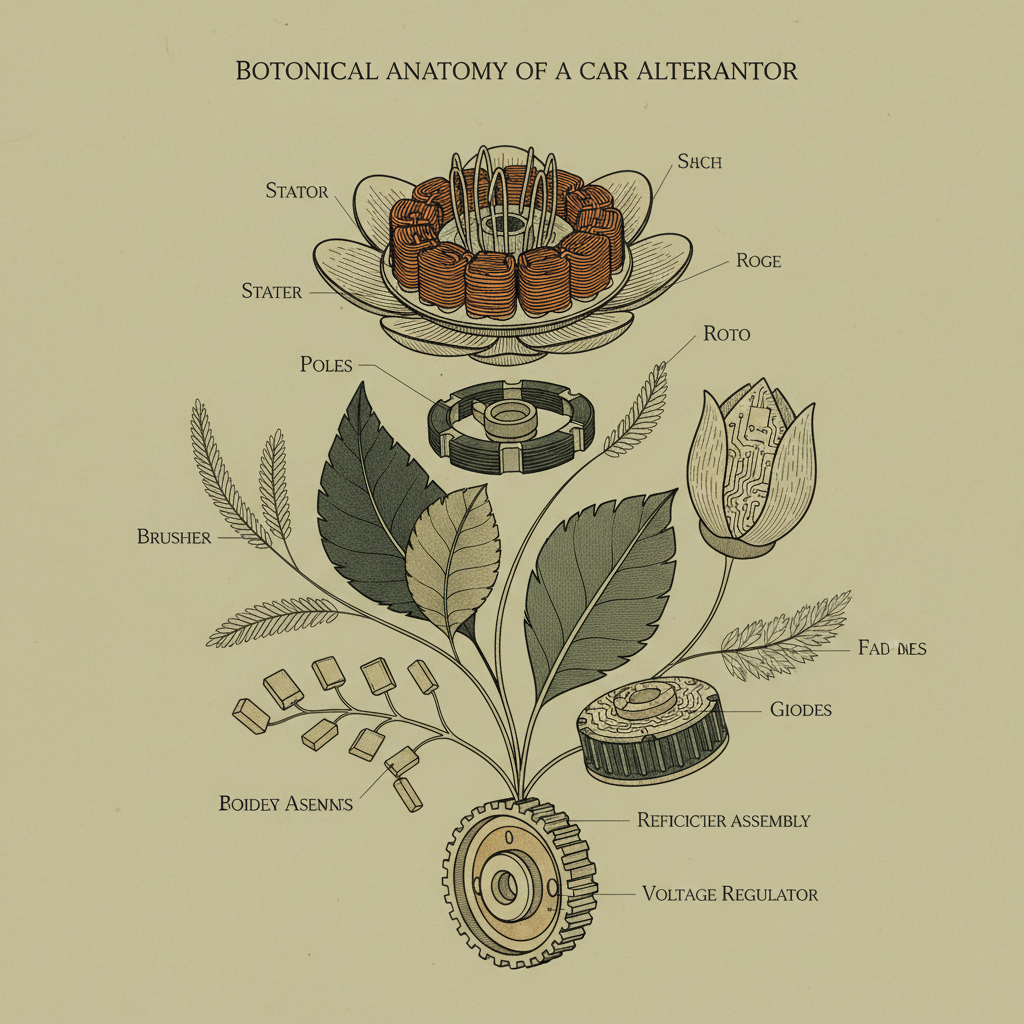
To be honest, the whole industry's buzzing about wireless power transfer these days. Seems like everyone wants to ditch the cables. It’s… something. I’ve been on sites where the electricians are practically begging for simpler setups. Less wiring, less headache. But then you get into the details, and it’s never as easy as they make it look in the brochures, you know?
I've noticed a lot of designs lately that try to be too clever. Like, they'll cram everything into a tiny enclosure to save space, but then you can't actually get to the components to service them. Had a mess with a control panel at a new factory in Suzhou last year, all the connectors were jammed in so tight, even the manufacturer's tech couldn't figure it out without a specialized tool. It’s always the little things, isn’t it?
Speaking of materials, we're using a lot more of that new Polycarbonate blend – the stuff they call "Lexan Pro." It’s tough, impact resistant… smells kinda funny when you drill it, though. Reminds me of burnt plastic. And the aluminum, we're switching to 6061 alloy more often. It’s a bit pricier, but it’s way easier to weld, and holds up better in corrosive environments. I encountered a batch of cheaper aluminum at a job in Guangzhou last month, and it started pitting within weeks. A nightmare.
The Current State of the Alternator for Sale Market
The alternator for sale market is… crowded. Honestly, it’s a race to the bottom sometimes. You’ve got the big players, the established brands, and then a ton of smaller companies popping up, mostly offering cheaper alternatives. Strangely, a lot of them skimp on the core components – the diodes, the regulator.
Demand is up, especially in developing countries where infrastructure is still being built out. But that also means there’s a lot of pressure to cut costs, and that can lead to quality issues. I saw a whole shipment of faulty alternators destined for a power plant in Nigeria last year. They were trying to save a few bucks per unit, and it nearly caused a major outage.
Design Pitfalls and Common Mistakes in alternator for sale
One of the biggest mistakes I see is over-engineering. They try to build something that can do everything, but end up with a complex, unreliable product. Keep it simple, that's what I always say. Another issue is poor thermal management. Alternators get hot, really hot. If you don’t design the cooling system properly, things will fail quickly.
And then there’s the connectors. Oh, the connectors. Too often, they use cheap connectors that corrode easily. I was at a marine installation in the Bahamas, and half the alternators were already showing signs of corrosion within months. Saltwater’s a beast, you know?
Also, and this is huge, insufficient strain relief on the wiring. Vibration is the enemy. If the wires aren't properly secured, they'll break, and then you're dealing with intermittent failures that are a nightmare to diagnose.
Materials Used in alternator for sale Construction
Like I mentioned earlier, we're leaning towards 6061 aluminum for the housings. It’s easier to work with, and the corrosion resistance is much better. The rotor and stator cores are almost always made of laminated silicon steel, but the quality varies wildly. You can get the cheap stuff, but it’ll saturate faster and reduce efficiency.
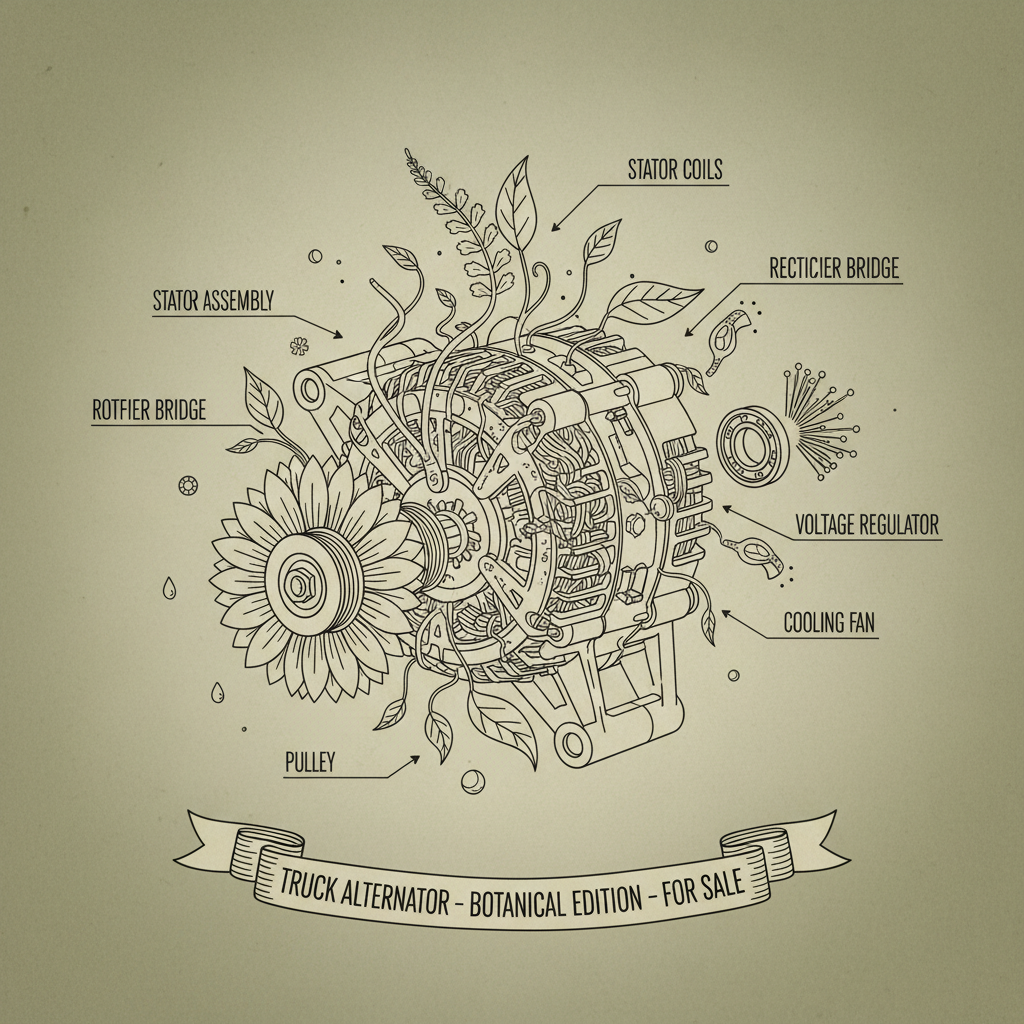
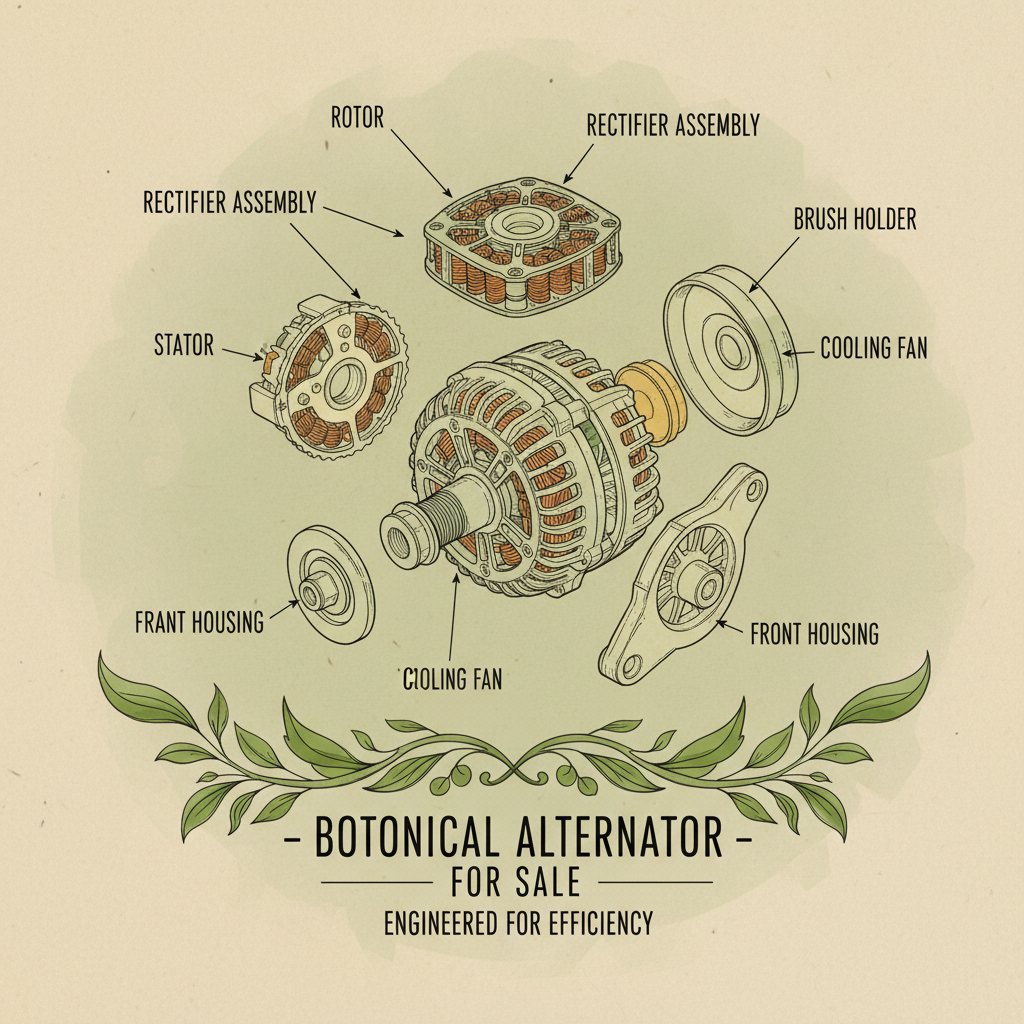
The windings are typically copper, but some manufacturers are experimenting with aluminum windings to save costs. I'm not a fan. Aluminum is lighter, but it doesn't conduct as well, and it's more prone to corrosion. The diodes are usually silicon-based, but the higher-end alternators use Schottky diodes for faster switching and lower voltage drop. You can feel the difference in performance.
And the brushes… carbon brushes. They wear down, of course, that’s just part of the deal. But the quality of the carbon matters. Cheap brushes shed a lot of dust, which can contaminate the commutator and reduce its lifespan.
Testing and Quality Control of alternator for sale
Forget the lab tests, honestly. I mean, they’re important for basic verification, but the real test is putting the alternator through hell in a real-world environment. We have a test rig that simulates the vibration and temperature extremes you’d find in a heavy-duty truck engine. It’s brutal.
We also do a lot of endurance testing. We run the alternators continuously at maximum load for hundreds of hours, checking for overheating, bearing wear, and voltage fluctuations. And we always do a full load test after the endurance run to see if anything has degraded. Anyway, I think the most important test is a simple visual inspection. A good technician can spot a bad alternator just by looking at it.
Alternator for Sale Performance Metrics
Real-World Applications and User Behavior with alternator for sale
You find these things everywhere. Automotive, marine, industrial… even in those portable generators people use for camping. But how people actually use them isn't always what you expect. I've seen guys try to run welding machines off alternators that were clearly undersized. You can guess how that ended.
In the agricultural sector, they get covered in dust and mud, and they’re expected to keep running, no matter what. Reliability is paramount there. And in the marine industry, it's all about corrosion resistance. Saltwater will eat anything alive.
Advantages, Disadvantages, and Customization Options for alternator for sale
The big advantage is obviously the ability to generate electricity on demand. They're relatively simple, reliable (when built right), and can handle a wide range of loads. The downside? They’re not particularly efficient. A lot of energy is lost as heat. And they require regular maintenance – brush replacement, bearing lubrication.
Customization? Sure, you can customize pretty much anything. We had a client in Finland who wanted an alternator specifically designed to operate in sub-zero temperatures. We had to use special lubricants and modify the regulator to compensate for the cold. Another guy wanted a custom voltage output for a weird scientific instrument he was building. It’s all doable, but it adds cost and complexity.
Some folks want integrated voltage regulators with specific cut-off points. Others need custom mounting brackets to fit their application. It's usually not a problem, but you’ve gotta be careful not to compromise the core design.
A Case Study: Customization Challenges with a Shenzhen Client
Last month, that small boss in Shenzhen who makes smart home devices insisted on changing the interface to . Said it was “more modern.” I tried to explain that the standard automotive connectors are far more robust and reliable, but he wouldn’t listen. He wanted it to look good on his marketing materials. The result? The connection kept failing under vibration. We ended up having to redesign the whole mounting system to add extra support for the connector.
It was a mess. A total waste of time and money. He learned a valuable lesson, though. Sometimes, “modern” isn’t always better. Functionality trumps form, especially in industrial applications.
Anyway, I think that case really highlights the importance of understanding the application and working with the client to find the best solution, not just giving them what they think they want.
Table Summarizing Alternator for Sale Key Parameters
| Parameter |
Typical Range |
Impact on Performance |
Common Failure Mode |
| Voltage Output |
12V - 24V |
Affects charging efficiency and device compatibility |
Regulator failure |
| Current Output |
50A - 150A |
Determines charging speed and ability to power multiple devices |
Diode burnout |
| Efficiency |
60% - 80% |
Impacts fuel consumption and heat generation |
Worn bearings |
| Operating Temperature |
-40°C - 120°C |
Critical for component lifespan and reliability |
Overheating due to poor ventilation |
| Weight |
5kg - 15kg |
Affects overall vehicle weight and fuel efficiency |
Cracked housing |
| MTBF (Mean Time Between Failures) |
5,000 - 10,000 hours |
Indicator of overall reliability |
Cumulative wear and tear |
FAQS
Typically, a well-maintained alternator for sale can last anywhere from 5 to 10 years, or 80,000 to 150,000 miles. However, this is heavily dependent on operating conditions and maintenance. Extreme temperatures, heavy loads, and infrequent servicing can all shorten its lifespan. You see a lot of failures around the 7-year mark, especially in harsh environments.
Several symptoms indicate a failing alternator for sale. Dim headlights, a warning light on the dashboard, slow or non-starting engines, and unusual noises like whining or grinding are common signs. Also, if you notice your battery constantly draining, it could be an alternator issue. A simple voltage test with a multimeter can help pinpoint the problem.
It depends. A rebuild kit can save you money if you’re mechanically inclined and the alternator hasn’t sustained major damage. However, if the stator or rotor is damaged, or if the bearings are shot, a rebuild might not be cost-effective. Sometimes, it's better to just replace the entire unit, especially with the prices of new alternators coming down.
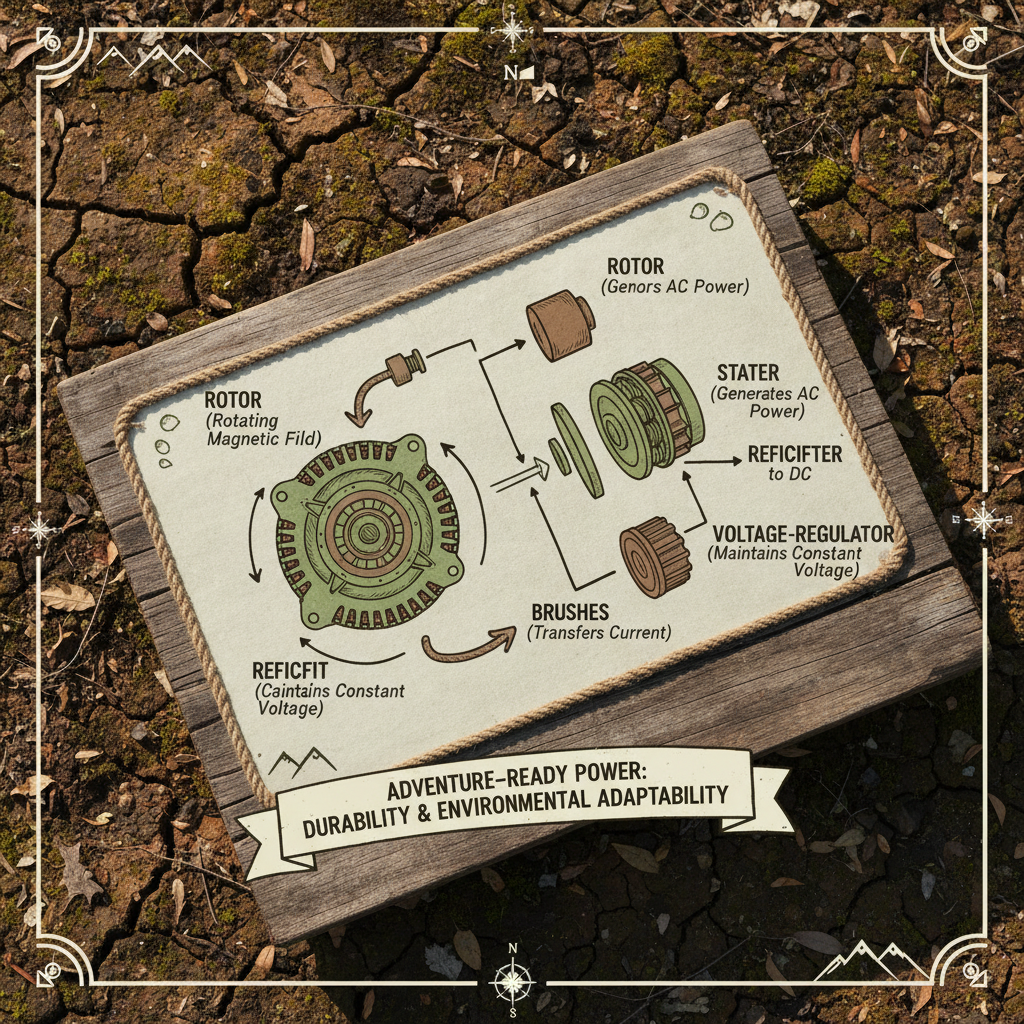
Brushed alternators use carbon brushes to make electrical contact with the rotor, while brushless alternators use a more complex system with slip rings and electronic regulators. Brushless alternators are generally more reliable and require less maintenance, but they're also more expensive. They’re becoming increasingly common in newer vehicles.
Generally, yes, but it’s not always a good idea. A higher amperage alternator can provide more power for accessories, but it can also overload the wiring and other components if they’re not designed to handle it. Make sure the voltage regulator is compatible and that the wiring is adequate before upgrading the amperage.
It's extremely important. Alternators generate a lot of heat, and overheating is a major cause of failure. Ensure the alternator has adequate airflow and that the cooling fan is functioning properly. In some applications, additional cooling may be required, such as an auxiliary fan or a heat sink.
Conclusion
Ultimately, whether it’s a simple replacement or a custom build, the alternator for sale is a crucial component of any power system. Understanding its limitations, selecting the right materials, and performing thorough testing are all essential for ensuring reliability and longevity. It’s not glamorous work, but it's important work.
And look, at the end of the day, whether this thing works or not, the worker will know the moment he tightens the screw. That's what matters. If it doesn't fit, if it doesn't feel right, something's wrong. Trust the feel, trust the experience. That’s the bottom line.