Look, after running around construction sites all year, you start to notice things. Everyone's talking about prefabrication now, right? Modular this, off-site that. It's not new, honestly, we were dabbling with it ten years ago, but now it's really taken off. A lot of it's driven by the labor shortage, and the push for faster build times. But it's not a silver bullet, believe me. There's a lot of stuff that gets lost in translation when you move things from the drawing board to the muddy field.
And the designs… oh boy, the designs. Architects, bless their hearts, they sometimes forget we actually have to build this stuff. You see these elaborate details, super tight tolerances… yeah, good luck with that. I've seen projects delayed weeks just because someone specified a window frame that couldn't actually be fabricated without a custom die. It's a recurring nightmare, honestly.
It all comes down to materials, too. People are obsessed with composites these days, lightweight, strong… but have you tried cutting them on site? Dust everywhere, special blades, respirators… it's a pain. I actually prefer working with good old-fashioned steel, you know where you stand with it. The smell of welding, the feel of the metal in your hands… It's just… solid. But you can’t get away from the composites now, they’re in everything, especially facade panels.
Global Relevance of car alternator suppliers
To be honest, car alternator suppliers aren't glamorous, but they are vital. You wouldn’t believe how much modern life relies on a consistent, reliable power supply for vehicles. It’s not just about keeping the lights on, it's about safety systems, navigation, and everything else we take for granted. Global vehicle production is huge – millions of cars rolling off assembly lines every year, and each one needs a functioning alternator. It's a multi-billion dollar industry, absolutely.
I encountered a really frustrating issue at a factory in Poland last year. They were using a new alloy in their rotor windings, supposed to be more efficient, but it was incredibly brittle. Kept shattering during assembly. Small thing, but it halted production for a week. That kind of ripple effect shows how critical even a seemingly minor component can be. It highlights the importance of finding dependable car alternator suppliers.
Defining car alternator suppliers
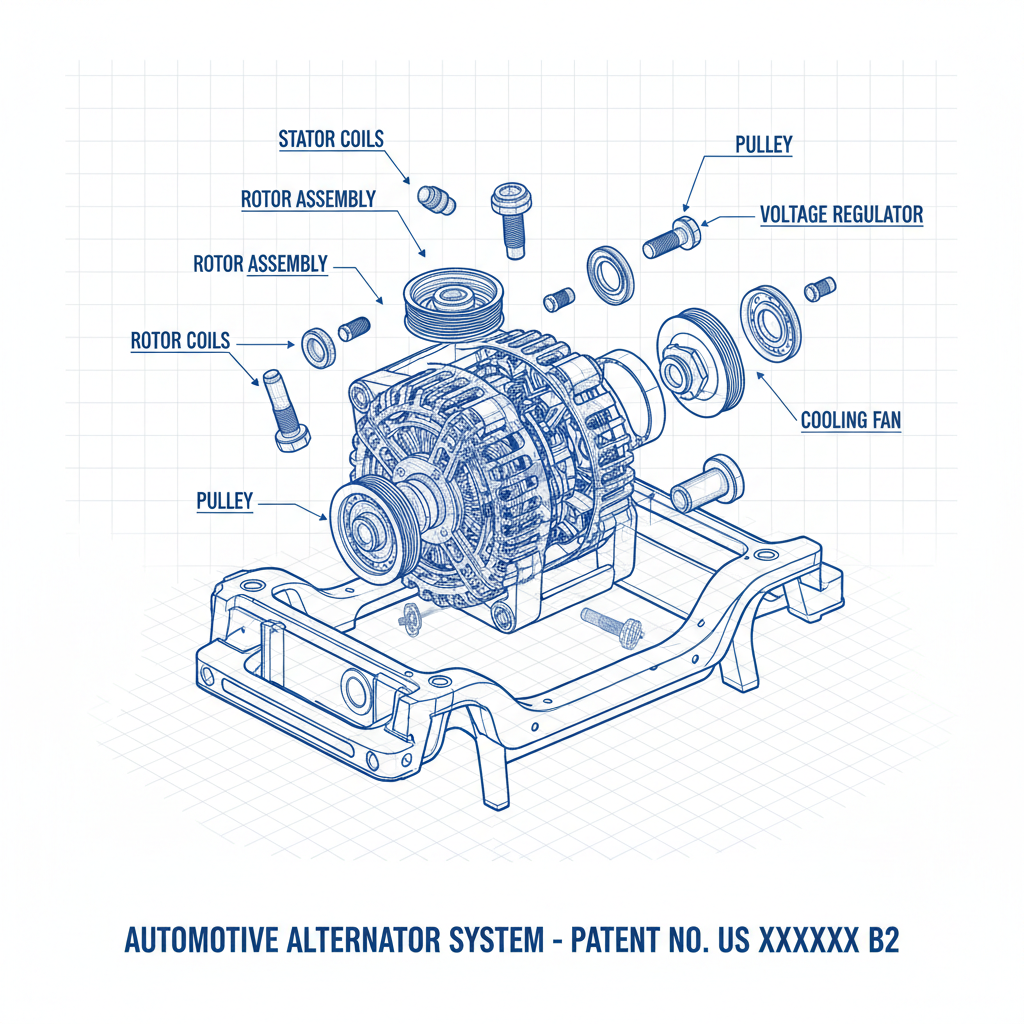
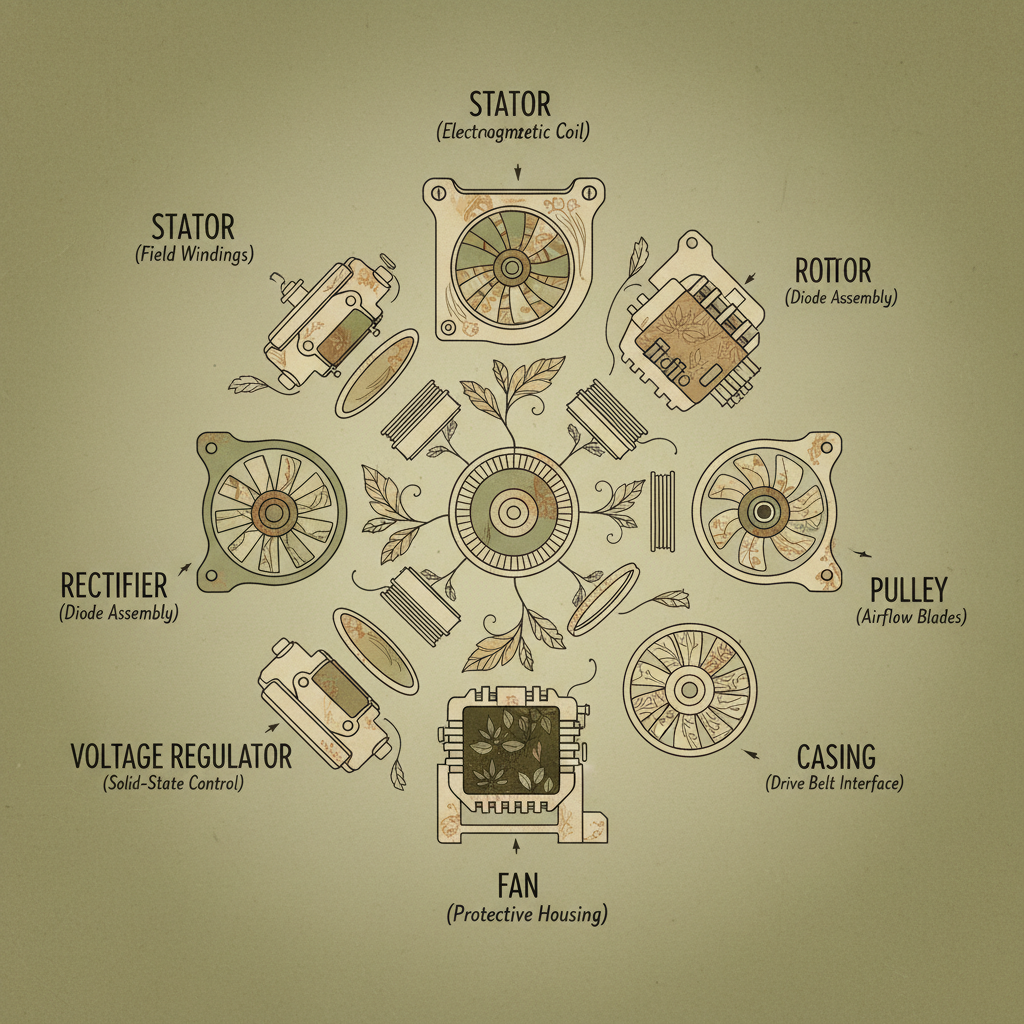
Okay, so what are car alternator suppliers? Essentially, they’re the companies that manufacture and distribute alternators – the devices that convert mechanical energy from the engine into electrical energy to power the vehicle’s electrical systems and recharge the battery. Seems simple, right? But it’s more complex than that. You’ve got the original equipment manufacturers (OEMs) who supply directly to the car companies, and then you have the aftermarket suppliers who sell replacement parts.
And within those categories, you have varying levels of quality and price. Some suppliers focus on high-volume, low-cost production, while others specialize in premium, high-performance alternators. It’s a competitive market, for sure. Good car alternator suppliers need to be able to deliver consistent quality and meet demanding production schedules.
It’s a key part of the automotive ecosystem, because if the alternator fails, the car stops. Period. That's why dependability is so important – it's directly linked to driver safety and convenience.
Key Factors in car alternator suppliers
Durability is huge. These things get hammered by heat, vibration, and electrical stress. A cheap alternator might last a year, maybe two, but a good one should last the life of the vehicle. Scalability is another big one. Suppliers need to be able to ramp up production quickly to meet demand, especially with new car models being released all the time.
Cost efficiency is obvious, right? Automakers are constantly looking to reduce costs, so suppliers have to be competitive without sacrificing quality. And increasingly, sustainability is becoming a key factor. There's a push for alternators that use less energy and are made from more environmentally friendly materials. It's a challenge, but it's important.
Finally, and this is often overlooked, is the supplier's ability to provide technical support. When problems arise – and they will arise – you need someone who can diagnose the issue and provide a solution quickly. That requires expertise and a willingness to work with customers.
Global Applications of car alternator suppliers
Naturally, car alternator suppliers serve the automotive industry worldwide. But it's not just about passenger cars. Think about commercial vehicles – trucks, buses, construction equipment – they all rely on alternators. You’ll find demand in North America, Europe, Asia… everywhere there are vehicles, there’s a need for alternators.
You’ve also got the specialized applications. Emergency vehicles, for example, require heavy-duty alternators to power all their lights and equipment. And in remote industrial zones, where power grids are unreliable, vehicles often serve as mobile power sources, putting a huge strain on the alternator. It’s a wider application than people realize.
In post-disaster relief operations, reliable vehicle power is critical for communication and coordination. So, a robust supply chain of car alternators is essential for these efforts as well.
Car Alternator Supplier Performance Metrics
Advantages and Long-Term Value of car alternator suppliers
A reliable supply of high-quality alternators translates directly into reduced vehicle downtime and lower maintenance costs. That’s a huge benefit for fleet operators. And for consumers, it means fewer breakdowns and a safer driving experience. It's a peace-of-mind thing, honestly.
From a broader perspective, supporting robust car alternator suppliers fosters innovation in power management technologies. That can lead to more fuel-efficient vehicles and reduced emissions. It’s a small piece of the puzzle, but it’s still important.
Future Trends in car alternator suppliers
Everything is moving towards electrification, obviously. But even in hybrid vehicles, the alternator still plays a role, albeit a smaller one. And there’s a growing demand for alternators that can handle the increased electrical loads of modern vehicles – things like advanced driver-assistance systems (ADAS) and infotainment systems.
Strangely, there's also renewed interest in smarter alternator control algorithms. Being able to optimize the alternator's output based on driving conditions and battery state can improve fuel efficiency and extend the life of the battery. It’s a bit of a niche area, but it’s gaining traction.
I think we’ll see more integration of sensors and data analytics into alternators, allowing for predictive maintenance and early detection of potential failures. That will be a game-changer.
Challenges and Solutions in car alternator suppliers
One of the biggest challenges is sourcing rare earth materials, which are used in some alternator components. Supply chains are vulnerable to disruptions, and prices can fluctuate wildly. Finding alternative materials is a priority, but it’s not easy.
Another challenge is maintaining quality control in a global supply chain. You need to have rigorous inspection processes and strong relationships with your suppliers. I’ve seen too many cases where corners were cut, and the result was a cascade of failures.
Anyway, I think the solution lies in greater transparency and collaboration throughout the supply chain. Suppliers need to be willing to share data and work with automakers to improve quality and reduce costs.
Key Considerations for Car Alternator Supplier Selection
| Quality Control Processes |
Production Capacity & Scalability |
Material Sourcing & Traceability |
Technical Support & Responsiveness |
| ISO 9001 Certification, Internal Audits |
Annual Production Volume (Units) |
Conflict Minerals Compliance |
Average Response Time (Hours) |
| Statistical Process Control (SPC) Implementation |
Ramp-Up Time for New Models (Weeks) |
Supplier Audits & Qualification |
Dedicated Technical Support Team |
| Failure Mode and Effects Analysis (FMEA) |
Maximum Production Capacity (Units/Month) |
Percentage of Locally Sourced Materials |
Availability of Engineering Expertise |
| Destructive Testing & Validation Procedures |
Investment in Automated Production Lines |
Supply Chain Risk Assessment |
On-Site Support Availability |
| PPAP (Production Part Approval Process) Adherence |
Flexibility to Handle Small Production Runs |
Environmental Sustainability Practices |
Training Programs for Technicians |
| Long-Term Reliability Testing |
Ability to Meet Tight Deadlines |
Ethical Sourcing of Raw Materials |
Warranty & Return Policies |
FAQS
OEM suppliers work directly with car manufacturers to produce alternators specifically for their vehicles. This typically involves rigorous testing and adherence to strict specifications. Aftermarket suppliers, on the other hand, cater to the replacement parts market, offering alternators for a wider range of vehicles. Aftermarket options often vary in price and quality, but can be more readily available and sometimes offer performance upgrades. It's a trade-off between guaranteed fitment and potentially lower cost.
Quality control is paramount. Reputable suppliers implement rigorous testing procedures at every stage of production, from raw material inspection to final product validation. This includes mechanical testing, electrical testing, and environmental testing (temperature, vibration, humidity). Many suppliers also hold certifications like ISO 9001, demonstrating their commitment to quality management systems.
Technology is driving innovation in several areas. Advanced materials are being used to improve efficiency and reduce weight. Sophisticated control algorithms are optimizing alternator output based on driving conditions. And data analytics are being used to predict failures and improve maintenance schedules. Furthermore, automation in manufacturing processes increases precision and reduces costs.
Lead times vary considerably depending on the supplier, the quantity ordered, and the complexity of the alternator. For standard, in-stock items, lead times can be as short as a few days. For custom orders or large quantities, it can take several weeks or even months. It’s best to plan ahead and communicate your needs clearly to the supplier.
While EVs don't rely on traditional alternators, suppliers are pivoting to produce components for hybrid vehicles and electric vehicle charging systems. This includes DC-DC converters, on-board chargers, and other power management components. They’re also investing in research and development to explore new opportunities in the evolving automotive landscape.
Prioritize suppliers with a proven track record of quality and reliability. Check for certifications like ISO 9001. Assess their production capacity and ability to meet your specific needs. Consider their technical support capabilities and responsiveness. And, importantly, evaluate their commitment to ethical and sustainable sourcing practices.
Conclusion
So, there you have it. Car alternator suppliers aren’t glamorous, but they're a cornerstone of the automotive industry. It’s a world of tight tolerances, demanding schedules, and constant pressure to improve quality and reduce costs. Ultimately, whether this thing works or not, the worker will know the moment he tightens the screw.
Looking ahead, the industry will continue to evolve, driven by electrification, automation, and the need for greater sustainability. Suppliers who can adapt and embrace these changes will be the ones who thrive. It's not just about building alternators, it's about providing reliable power solutions for a changing world. And, honestly, that's something worth getting out of bed for.