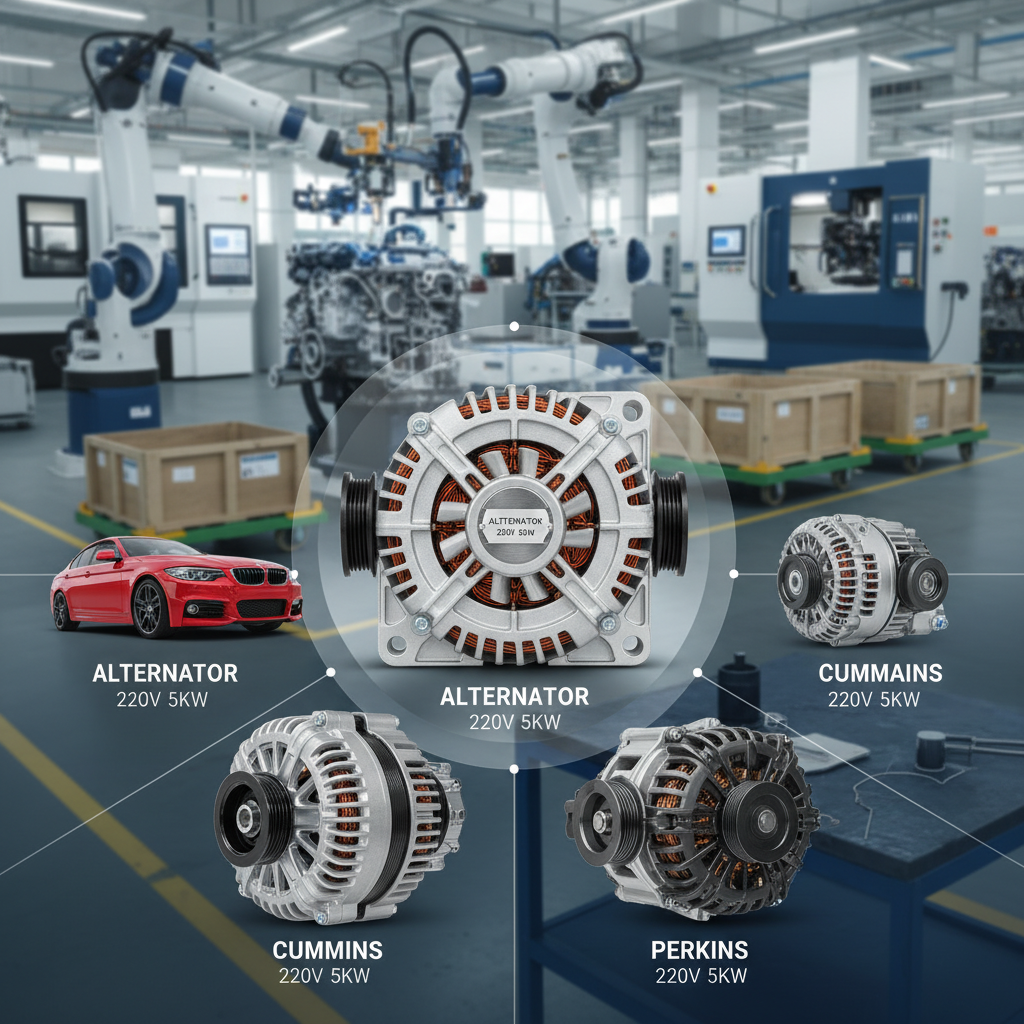
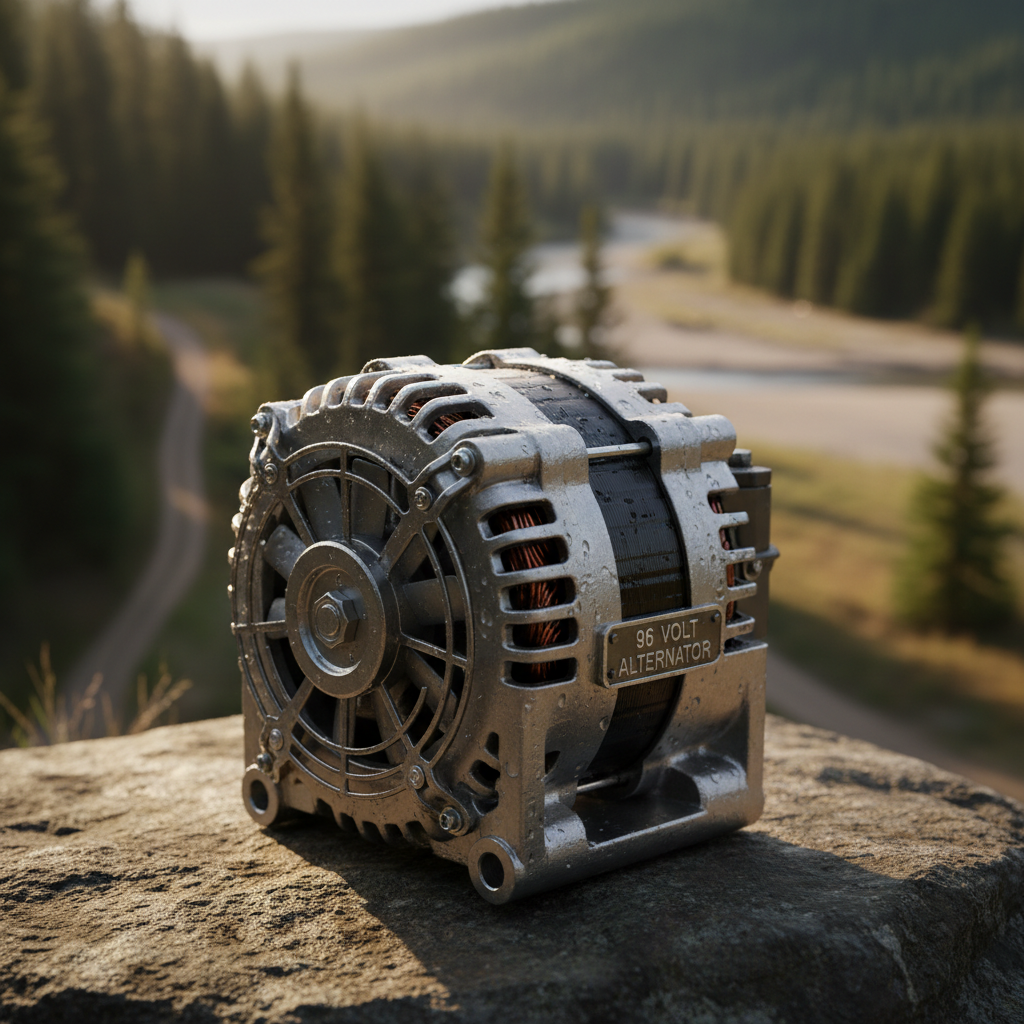
In the demanding landscape of modern power generation, the alternator 220v 5kw stands as a critical bridge between mechanical energy and usable electrical power. Whether integrated into heavy-duty construction machinery or used as a standalone backup power source, this specific configuration provides the necessary voltage and wattage to sustain essential industrial electronics and lighting systems globally.
Understanding the technical nuances of a 220V, 5kW output system is vital for fleet managers and engineers who aim to maximize uptime and efficiency. As industries shift toward more rigorous energy standards, the reliability of the alternator becomes the linchpin of operational continuity, ensuring that remote sites and heavy vehicles remain powered regardless of the environment.
From a commercial perspective, investing in a high-quality alternator 220v 5kw is not merely about meeting a specification; it is about enhancing the durability of the entire power train. By selecting components that balance copper purity with advanced voltage regulation, operators can significantly reduce maintenance costs and avoid the catastrophic failures associated with underpowered energy systems.
Global Industry Relevance of Alternator 220v 5kw
The global demand for the alternator 220v 5kw has surged as industrialization expands into remote regions of Africa and Southeast Asia. According to ISO energy standards, the stability of power output in off-grid environments is paramount; a 5kW output at 220V provides the optimal balance for powering medium-scale tools and communication arrays without requiring massive fuel consumption.
In the automotive and heavy machinery sector, the transition toward more complex electronic control units (ECUs) means that traditional low-voltage systems are often insufficient. The adoption of 220V capacity allows for a more streamlined integration of high-power accessories, reducing the need for multiple converters and thereby increasing the overall system efficiency and reducing heat waste.
Defining the Alternator 220v 5kw Framework
In simple technical terms, an alternator 220v 5kw is an electrical generator that converts mechanical energy from an engine into 5,000 watts of alternating current at a standard 220-volt potential. Unlike standard vehicle alternators that typically output 12V or 24V for battery charging, this unit is designed for power distribution, enabling the operation of standard AC appliances directly from a mechanical prime mover.
This technology is deeply connected to humanitarian and industrial needs, particularly in disaster relief and temporary site setups. When the main power grid fails, the ability to deploy a 5kW power source allows for the operation of medical refrigeration, emergency lighting, and communication hubs, effectively bridging the gap between total blackout and full restoration of services.
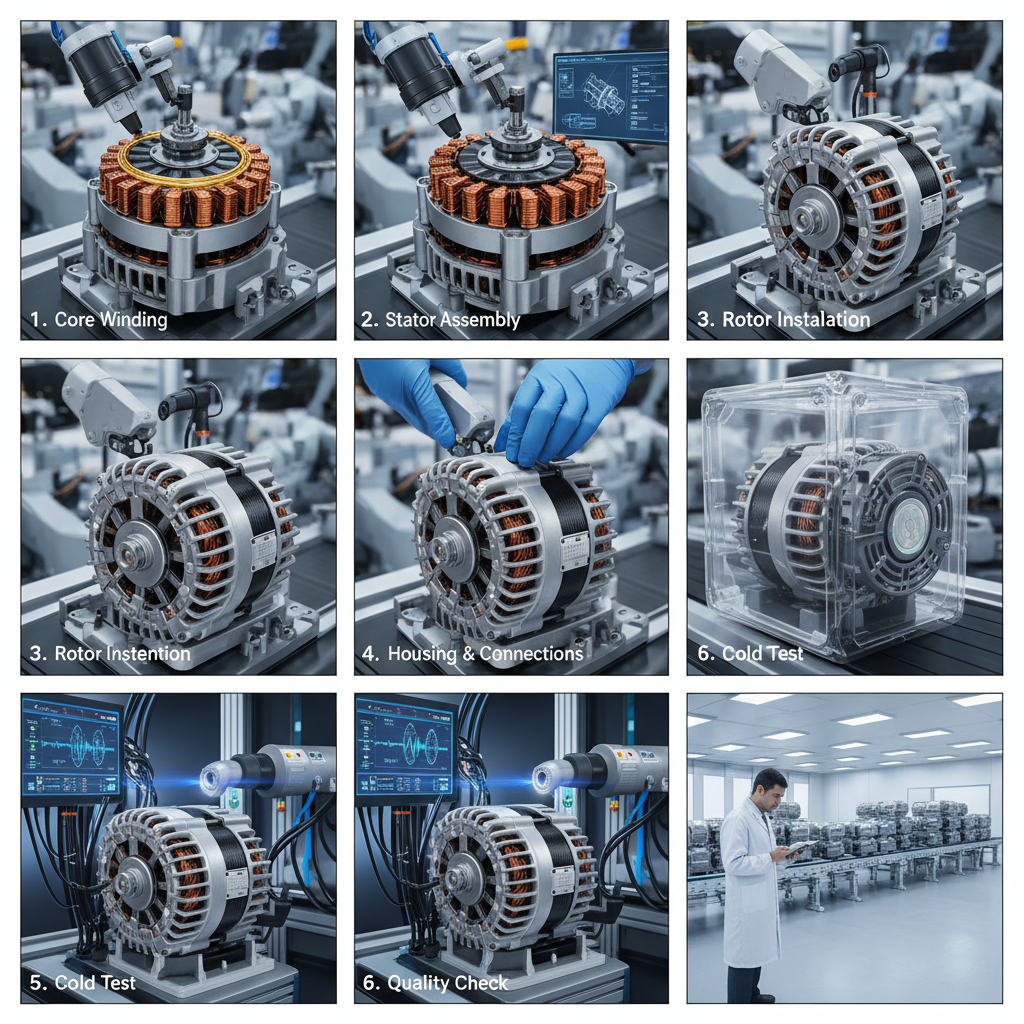
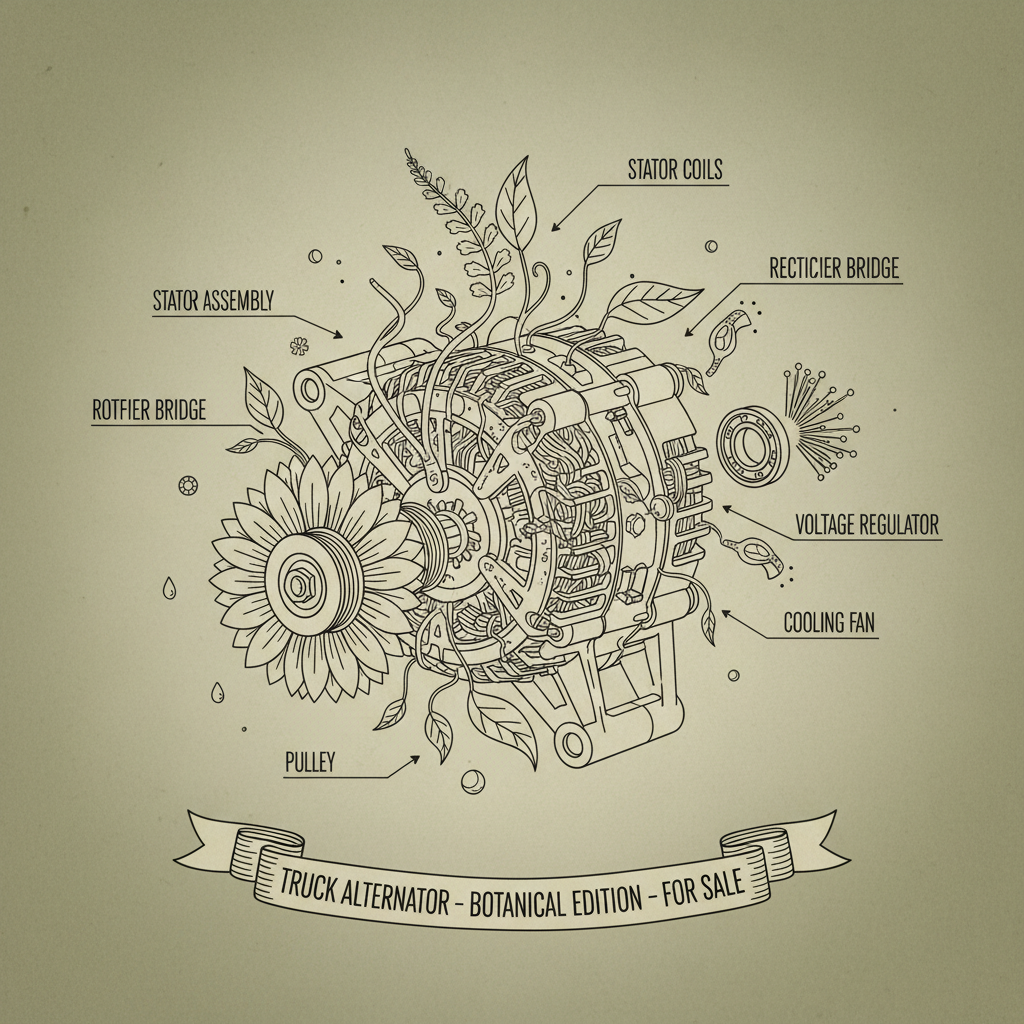
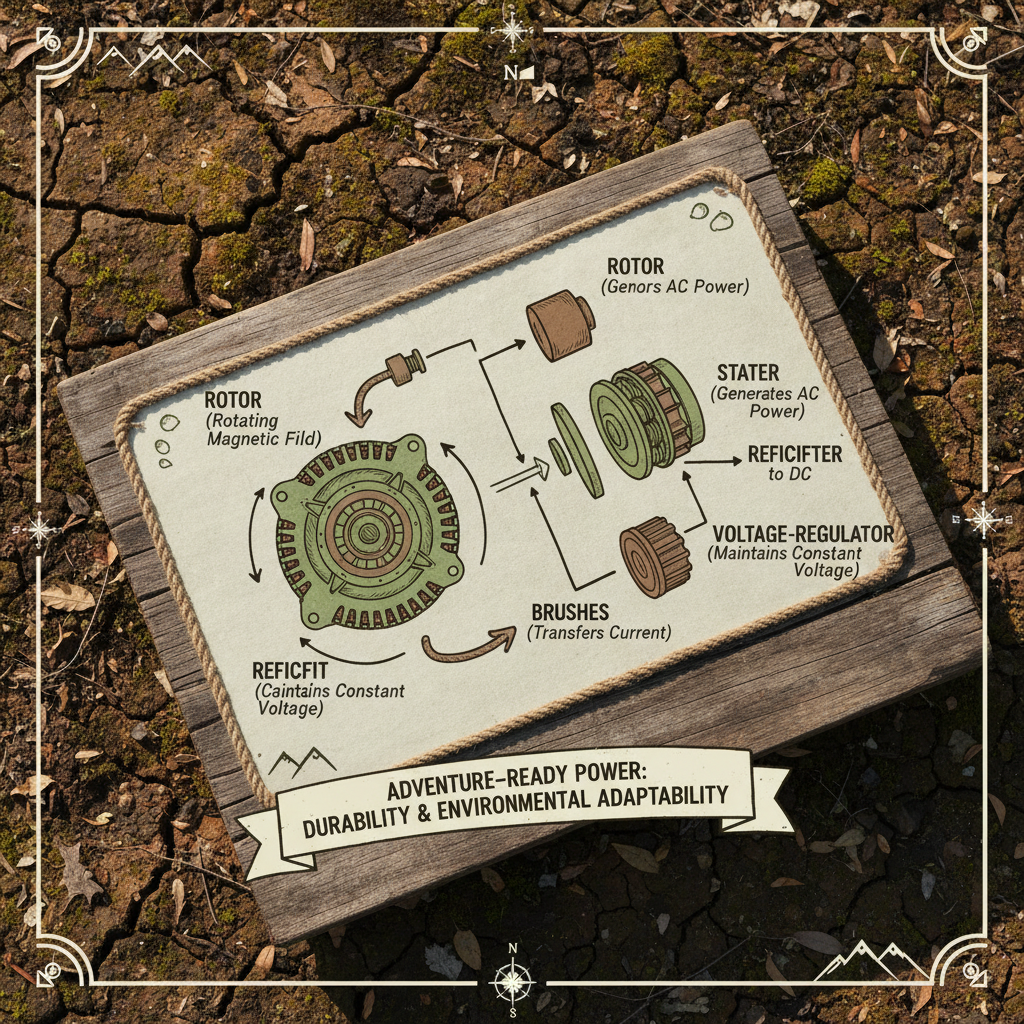
From a manufacturing standpoint, the "5kW" rating indicates the continuous load capacity, while the "220v" defines the voltage threshold. Achieving this requires precise winding of the stator and rotor, alongside a robust voltage regulator to ensure that fluctuations in engine RPM do not result in voltage spikes that could damage sensitive connected equipment.
Core Components for Maximum Efficiency
To ensure the longevity of an alternator 220v 5kw, the quality of the copper windings is the most critical factor. High-purity electrolytic copper reduces internal resistance, which minimizes heat buildup during peak 5kW loads and ensures that more of the mechanical energy is converted into usable electricity rather than wasted as thermal energy.
The Automatic Voltage Regulator (AVR) acts as the brain of the alternator 220v 5kw, constantly monitoring the output and adjusting the excitation current. This ensures a steady 220V flow even when the engine speed varies, protecting delicate electronics from brownouts or over-voltage surges that could lead to permanent hardware failure.
Finally, the housing and cooling system must be engineered for scalability and durability. Using die-cast aluminum alloys for the casing allows the alternator 220v 5kw to dissipate heat rapidly, while reinforced bearings ensure that the high rotational speeds required for 5kW output do not lead to premature mechanical wear.
Practical Applications in Global Infrastructure
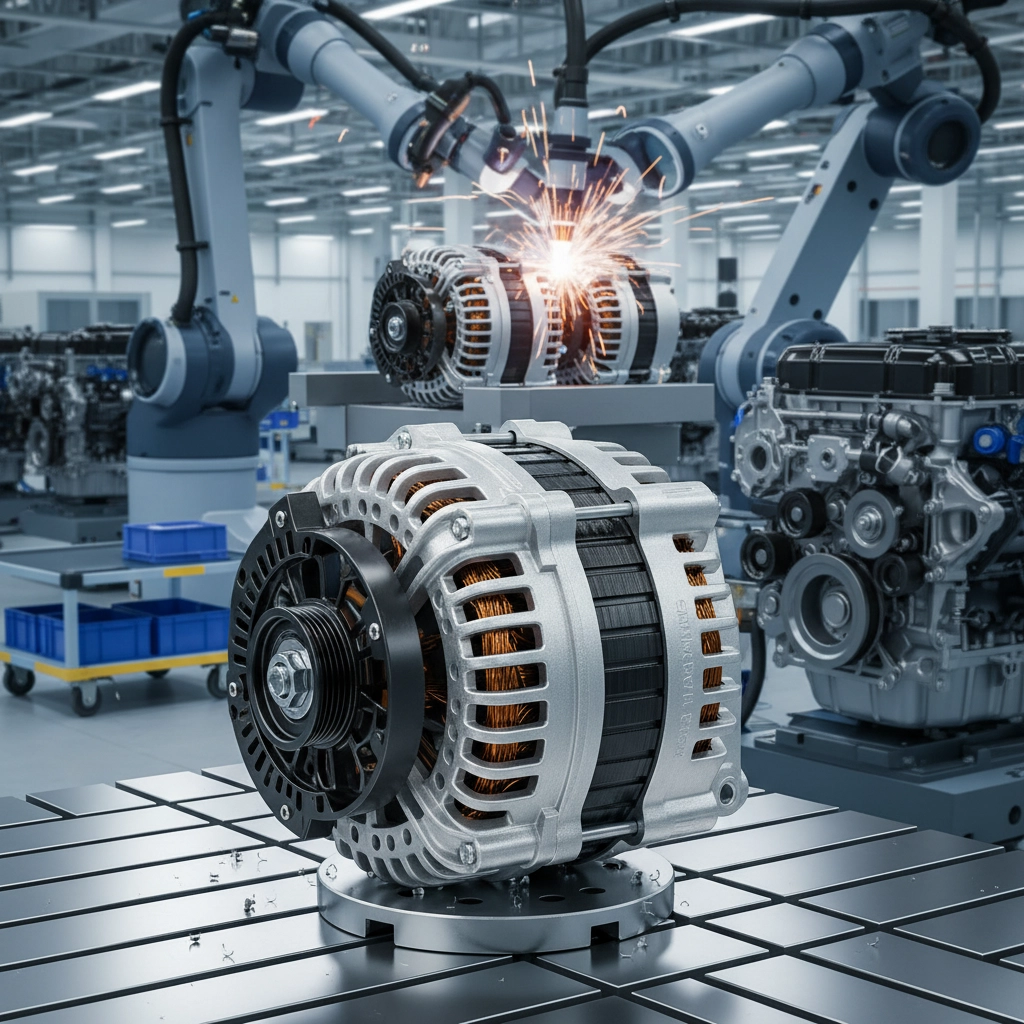
The real-world application of the alternator 220v 5kw is most evident in the construction machinery sector. For example, in large-scale mining operations in Australia or infrastructure projects in the Middle East, these alternators power on-board diagnostic systems, high-intensity LED work lights, and auxiliary heating/cooling systems for operator cabins in extreme climates.
Beyond heavy machinery, these units are indispensable in remote industrial zones where the grid is non-existent. In post-disaster relief operations, a mobile unit equipped with an alternator 220v 5kw can power a field clinic's essential equipment, providing a level of reliability and dignity to healthcare delivery in the most challenging environments.
Performance Comparison of Alternator 220v 5kw Configurations
Long-Term Value and Reliability Benefits
The tangible benefit of choosing a premium alternator 220v 5kw lies in the drastic reduction of the Total Cost of Ownership (TCO). While lower-grade alternatives may offer a lower initial purchase price, they often suffer from voltage instability and premature winding burnout, leading to frequent replacements and costly operational downtime.
Beyond the financial logic, there is a significant emotional and safety angle. In industrial settings, reliable power is synonymous with safety; knowing that your emergency systems and lighting are backed by a stable alternator 220v 5kw builds trust among operators and ensures that critical safety protocols can be executed without fear of power failure.
Future Trends in High-Voltage Alternation
The future of the alternator 220v 5kw is being shaped by the digital transformation of the automotive industry. We are seeing the integration of "Smart Alternators" that use IoT sensors to predict bearing failure or winding degradation before they occur, allowing for predictive maintenance rather than reactive repair.
Sustainability is also driving innovation. New materials, such as advanced carbon-fiber reinforced housings and biodegradable insulating resins, are being tested to reduce the environmental footprint of the alternator 220v 5kw. These innovations aim to maintain the high 5kW output while reducing the overall weight of the unit, which in turn improves the fuel efficiency of the host vehicle.
Furthermore, the trend toward hybrid power systems means that the 220v 5kw alternator will increasingly work in tandem with battery storage systems. In this setup, the alternator charges a buffer battery during low-load periods, which then assists the alternator during peak 5kW demands, creating a more stable and energy-efficient power delivery ecosystem.
Overcoming Common Implementation Challenges
One of the primary challenges in deploying an alternator 220v 5kw is harmonic distortion, which can interfere with sensitive electronic equipment. Expert engineers overcome this by implementing high-quality filtering capacitors and utilizing precision-wound stators to ensure a clean sine wave output, preventing "electrical noise" from affecting the system.
Another common limitation is overheating during sustained peak loads in high-ambient temperature environments. The solution lies in adopting active cooling systems or oversized heat sinks. By optimizing the airflow around the alternator 220v 5kw, operators can maintain full 5kW output without triggering thermal shutdown mechanisms.
Lastly, integration challenges often arise due to mismatched engine RPMs. Using a variable-ratio pulley system or an electronic speed governor allows the engine to maintain the precise rotational speed required for the alternator 220v 5kw to hit its 220V target efficiently, ensuring maximum energy conversion and minimum mechanical stress.
Technical Specification and Performance Analysis of Alternator 220v 5kw
| Component Aspect |
Standard Performance |
Premium Performance |
Impact on 5kW Output |
| Copper Winding |
Grade B Copper |
Oxygen-Free Copper |
Reduces Heat/Loss |
| Voltage Regulation |
Mechanical Reg |
Digital AVR |
Stabilizes 220V Flow |
| Casing Material |
Cast Iron |
Aluminium Alloy |
Faster Heat Dissipation |
| Bearing Grade |
Standard Steel |
Ceramic Hybrid |
Extends Service Life |
| Insulation Class |
Class F |
Class H |
Prevents Winding Melt |
| Duty Cycle |
Intermittent |
Continuous |
Constant 5kW Load |
FAQS
The primary advantage is the ability to power standard AC electrical equipment directly. While a 12v alternator is designed to charge batteries and run low-voltage DC electronics, the alternator 220v 5kw provides high-voltage alternating current, allowing you to run power tools, medical devices, and lighting without needing bulky inverters, which often lose efficiency during conversion.
Yes, provided it is coupled with a suitable prime mover (such as a diesel or gasoline engine) and a transfer switch. The 5kW capacity is sufficient to power essential home loads like refrigerators, lights, and a few computers. However, professional installation is required to ensure the 220v output is safely integrated into the home's electrical panel without backfeeding into the grid.
To prevent overheating, ensure that the alternator has unobstructed airflow and is not mounted too close to other heat-generating engine components. Using a high-grade alternator with an aluminum alloy casing helps dissipate heat faster. Additionally, avoiding prolonged operation at 100% capacity (full 5kW) or installing auxiliary cooling fans can significantly extend the life of the windings.
Regular maintenance should include checking the drive belt tension to prevent slippage, inspecting electrical connections for corrosion or loosening due to vibration, and cleaning the cooling fins of dust and debris. Periodically testing the AVR output with a multimeter ensures the voltage remains steady at 220V, preventing potential damage to connected equipment.
It depends on the quality of the Voltage Regulator. High-end units equipped with digital AVRs produce a stable sine wave with minimal harmonic distortion, making them safe for laptops and medical equipment. For extremely sensitive gear, we recommend using a small surge protector or a line conditioner between the alternator and the device to ensure a perfectly clean power supply.
Calculate the total wattage of all devices that will run simultaneously. If your combined load is under 4kW (leaving a 20% safety margin), then an alternator 220v 5kw is ideal. If you have high-startup loads, like large motors or compressors, you may need a unit with a higher peak capacity to handle the initial surge current without tripping the system.
Conclusion
The alternator 220v 5kw represents a vital synthesis of power and portability, providing a reliable energy solution for the most demanding industrial and humanitarian contexts. By focusing on high-purity materials, precision voltage regulation, and advanced thermal management, these units ensure that critical infrastructure remains operational even in the absence of a traditional power grid, thereby enhancing global productivity and safety.
Looking forward, the integration of smart diagnostics and sustainable materials will further elevate the efficiency of these systems. For operators and engineers, the key to long-term success lies in choosing components that prioritize durability over initial cost. To explore our full range of high-performance power solutions and find the perfect fit for your machinery, visit our website: www.jltalternator.com