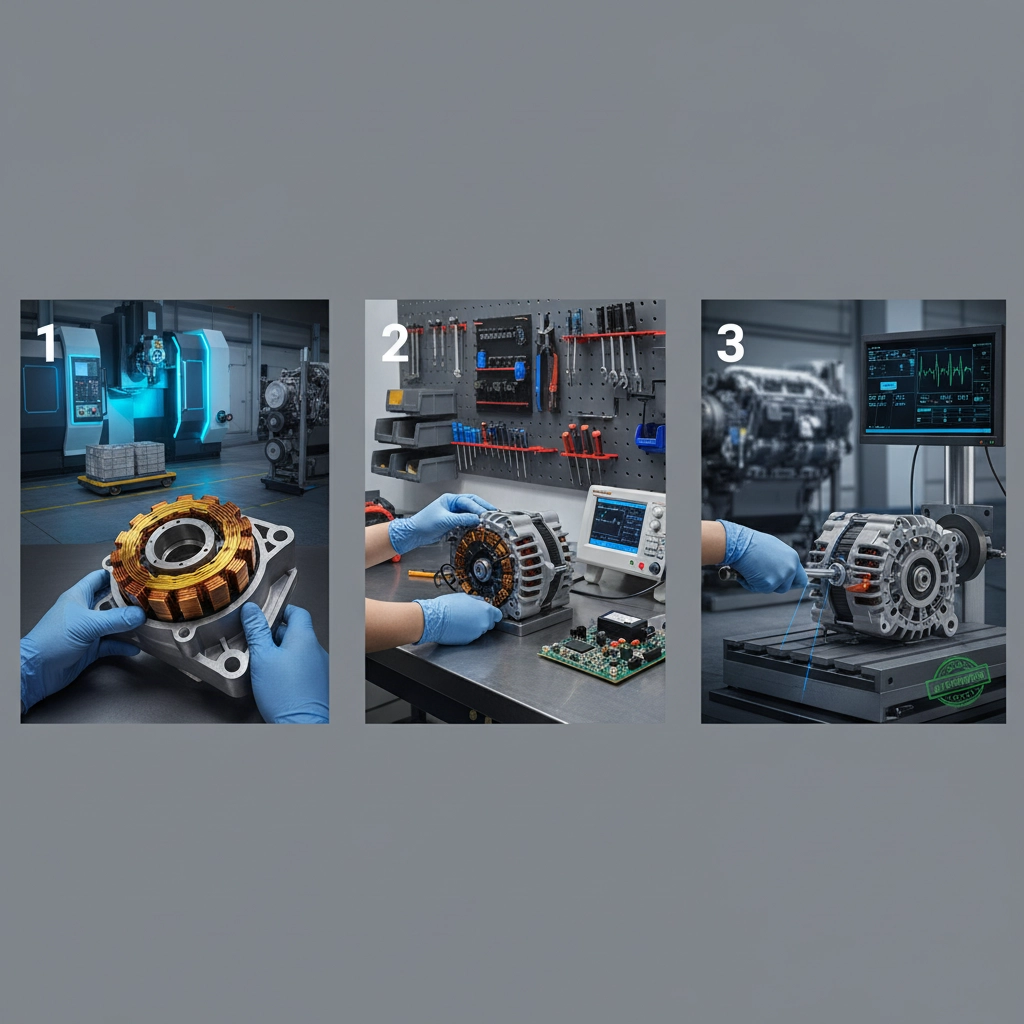
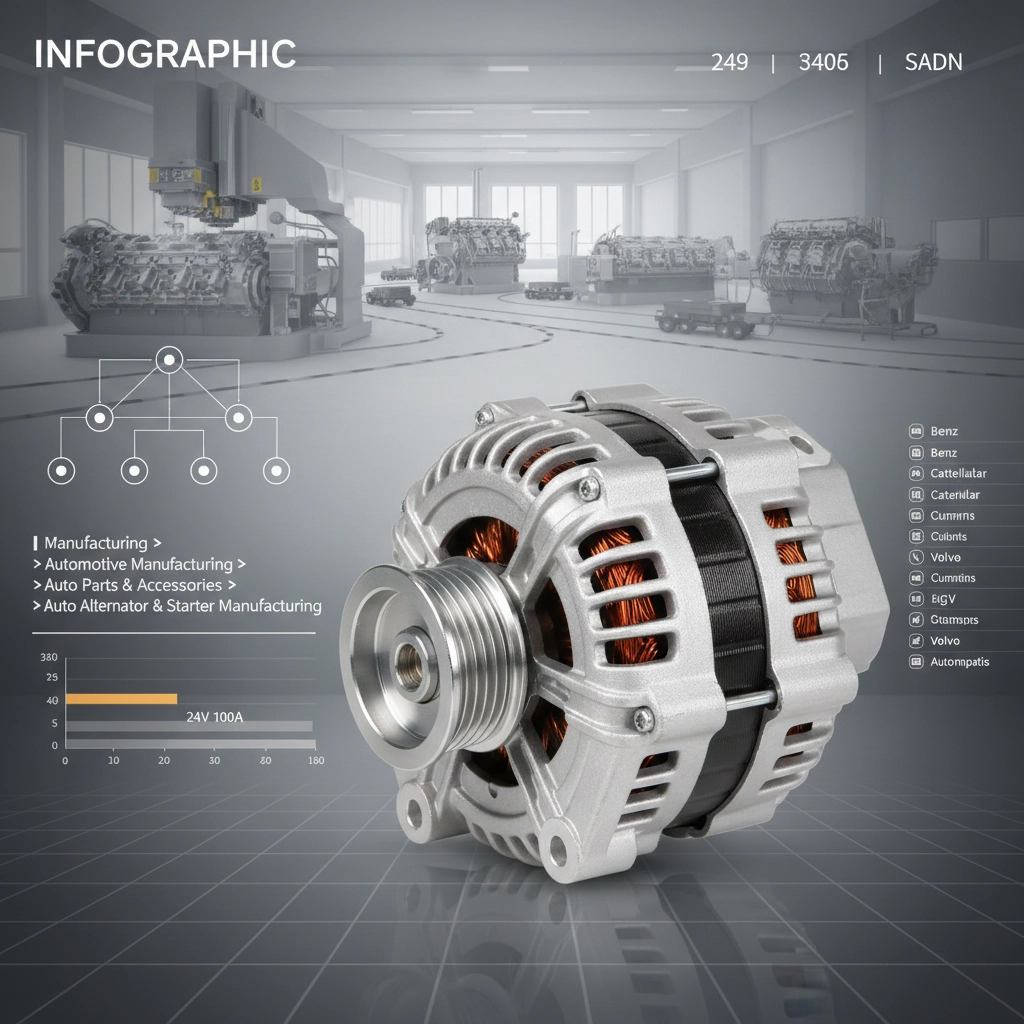
In the demanding world of heavy-duty machinery and commercial transport, the reliability of the electrical system is paramount. The alternator 24 volt 100 amp serves as the heartbeat of these vehicles, ensuring that batteries remain charged and critical electronic components receive a steady stream of power regardless of the external environment. Whether it is powering a fleet of logistics trucks or maintaining a construction excavator, the efficiency of this specific power rating is crucial for preventing costly downtime.
Globally, the shift toward more complex onboard electronics—including advanced GPS tracking, telematics, and climate control systems—has placed an unprecedented load on traditional charging systems. An alternator 24 volt 100 amp provides the necessary headroom to handle these auxiliary loads without compromising the starting power of the engine. This balance of voltage and amperage is engineered specifically for 24V systems, which are the industry standard for heavy-duty applications to reduce current loss over longer cable runs.
Understanding the technical nuances of these components allows fleet managers and technicians to optimize vehicle uptime and extend the lifespan of the entire electrical grid. By selecting a high-quality alternator 24 volt 100 amp, operators can ensure their machinery performs reliably in extreme temperatures and harsh terrains, ultimately driving higher productivity and reducing the frequency of emergency roadside repairs.
Global Relevance of the Alternator 24 Volt 100 Amp
The global logistics and construction sectors rely heavily on the standardized output of the alternator 24 volt 100 amp. In accordance with ISO standards for automotive electrical systems, the 24V architecture is essential for heavy-duty vehicles to ensure stability and efficiency. With the rise of global trade, the demand for robust charging systems that can withstand 24/7 operation has surged, making the 100 amp threshold a "sweet spot" for most medium-to-heavy duty engine configurations.
From the mining sites in Australia to the construction hubs in Southeast Asia, the failure of a single charging unit can halt entire project timelines. The alternator 24 volt 100 amp addresses the critical challenge of "under-charging," where the electrical load exceeds the alternator's capacity, leading to battery depletion and engine failure. By providing a consistent 100 amps of current, these units ensure that heavy-duty starters have the surge current required for high-compression diesel engines.
Technical Definition and Industrial Meaning
At its core, an alternator 24 volt 100 amp is an electrical generator that converts mechanical energy from the engine's crankshaft into alternating current (AC), which is then rectified into direct current (DC) to power the vehicle and charge the battery bank. The "24 volt" specification indicates the nominal system voltage, typically achieved by connecting two 12V batteries in series, while "100 amp" refers to the maximum current the unit can produce under full load.
In a broader industrial context, this component is more than just a part; it is a safeguard for operational continuity. For humanitarian efforts or disaster relief operations where vehicles must operate in remote areas without access to external power grids, the reliability of a 100 amp output ensures that communication equipment and emergency lighting remain functional. It represents the bridge between mechanical motion and digital intelligence in modern machinery.
The industrial meaning of the alternator 24 volt 100 amp also extends to standardization. Because it fits a wide array of engines—from Cummins and Perkins to Volvo and Scania—it simplifies inventory management for global fleets. This interchangeability reduces the complexity of maintenance cycles and ensures that a replacement part can be sourced quickly, minimizing the "mean time to repair" (MTTR) in critical industrial environments.
Core Components for Maximum Durability
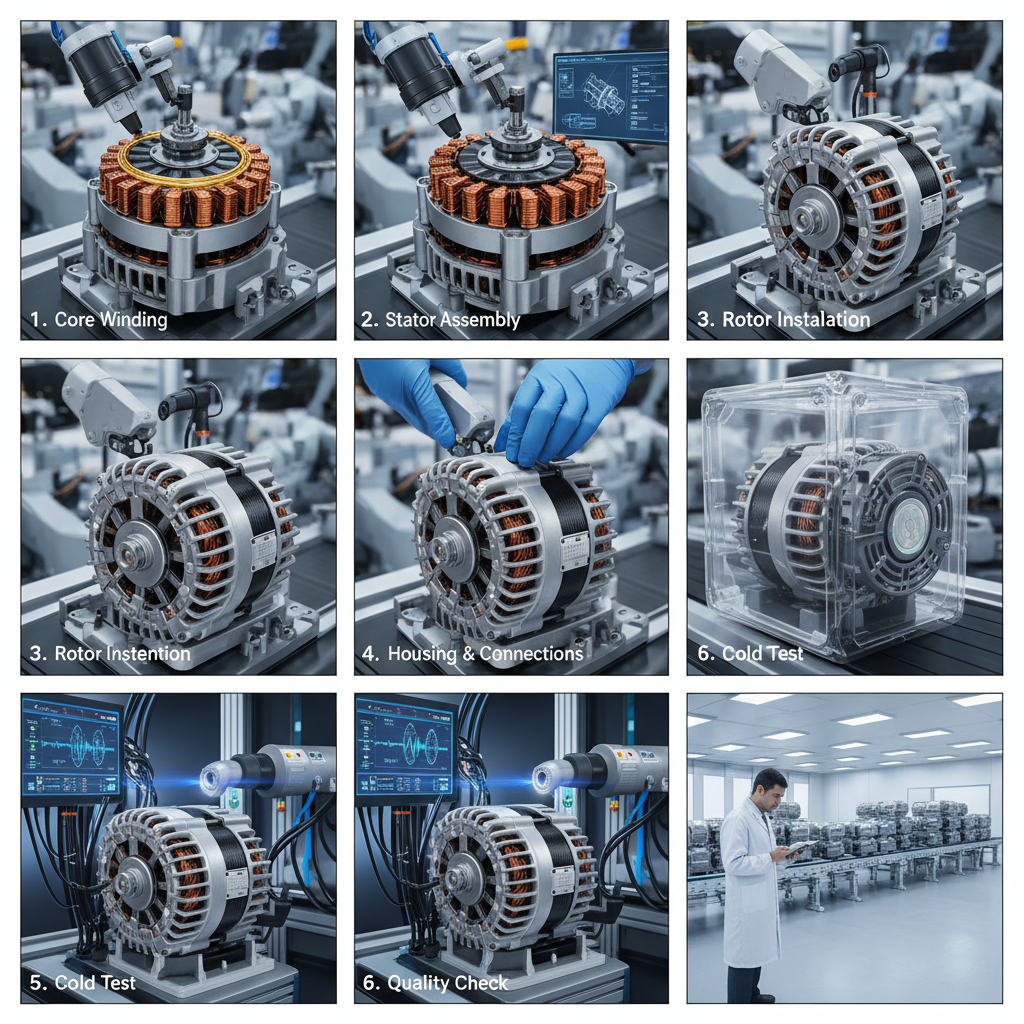
To achieve a consistent output, the alternator 24 volt 100 amp relies on several high-precision components. The rotor, which creates the magnetic field, must be perfectly balanced to prevent vibration at high RPMs. High-grade copper windings are used to minimize internal resistance, ensuring that the 100 amp output is maintained even as the unit heats up during prolonged operation.
Crucial to the stability of the alternator 24 volt 100 amp is the voltage regulator. This electronic component monitors the battery voltage and adjusts the field current to maintain a steady output, preventing overcharging which could damage the batteries, or undercharging which would lead to system failure. Modern regulators often include "smart" sensing to adjust output based on temperature.
Finally, the rectification bridge—consisting of heavy-duty diodes—is what converts the AC power to the DC power required by the vehicle. In a high-performance alternator 24 volt 100 amp, these diodes are often heat-sinked to dissipate thermal energy efficiently, preventing the "thermal runaway" that often leads to premature failure in cheaper, low-grade alternatives.
Performance Factors and Scalability
When evaluating an alternator 24 volt 100 amp, the most critical performance factor is its efficiency curve—how much current it can actually produce at idle versus high RPMs. For construction machinery that spends hours at low idle but requires bursts of high power for hydraulics or lighting, a "high-idle" output capability is essential to keep the batteries topped up.
Scalability in this context refers to the ability of the electrical system to accommodate additional accessories. A 100 amp rating provides a comfortable buffer for most standard heavy trucks, but as operators add more electronic control units (ECUs) or specialized sensors, the quality of the alternator 24 volt 100 amp becomes the deciding factor in whether the system remains stable or suffers from voltage drops.
Comparative Efficiency of Alternator 24 Volt 100 Amp Models
Global Applications and Use Cases
The practical deployment of the alternator 24 volt 100 amp spans across various heavy industries. In the mining sector, where vehicles operate in dust-heavy environments, these alternators are often reinforced with specialized seals to prevent contaminants from entering the windings. In these remote zones, a reliable power supply is a matter of safety, as it ensures that emergency beacons and communication arrays are always active.
Similarly, in the logistics sector—specifically for long-haul heavy trucks—the alternator 24 volt 100 amp is the unsung hero that powers refrigerated trailers (reefers). By maintaining a steady 24V supply, the alternator ensures that cooling compressors run efficiently, preventing the spoilage of temperature-sensitive cargo and saving millions of dollars in potential losses for global supply chains.
Long-Term Value and Operational Benefits
Investing in a premium alternator 24 volt 100 amp translates directly into lower Total Cost of Ownership (TCO). While a budget unit might seem attractive initially, the long-term value of a high-efficiency unit is found in its durability. Reduced failure rates mean fewer unplanned maintenance stops, which for a commercial fleet can mean the difference between meeting a delivery deadline and paying heavy penalties.
Beyond the financial aspect, there is a significant safety and psychological benefit. For drivers and operators in remote areas, the trust that their vehicle will start and that their lights will stay on provides peace of mind. This reliability reduces operator stress and increases the overall safety of the operation, as electrical failures in heavy machinery often lead to dangerous situations during braking or steering adjustments.
Furthermore, a high-quality alternator 24 volt 100 amp contributes to environmental sustainability. By optimizing the charging process, these units reduce the strain on the engine, slightly improving fuel efficiency and extending the life of the batteries. This reduces the frequency of lead-acid battery replacements, thereby lowering the environmental impact of heavy machinery operations.
Future Trends in Charging Technology
The future of the alternator 24 volt 100 amp is moving toward "intelligent power management." We are seeing the integration of digital controllers that communicate with the vehicle's ECU via CAN-bus systems. This allows the alternator to adjust its output in real-time based on the precise needs of the vehicle, rather than relying on a static voltage set-point, further increasing fuel efficiency.
Additionally, materials science is playing a huge role. The adoption of neodymium magnets and advanced composite housings is making the alternator 24 volt 100 amp lighter and more heat-resistant. As the industry moves toward hybrid-electric heavy machinery, these alternators will act as critical bridge components, managing the charging of starter batteries while the main propulsion is handled by electric motors.
Digital transformation is also enabling predictive maintenance. Future iterations of the alternator 24 volt 100 amp will likely include embedded sensors that can alert fleet managers to bearing wear or diode failure before the unit actually breaks down. This shift from reactive to proactive maintenance will virtually eliminate unplanned downtime for the global heavy-duty fleet.
Comparative Analysis of Alternator 24 Volt 100 Amp Specifications
| Model Grade |
Thermal Resistance |
Efficiency Score |
Expected Lifespan |
| Standard Economy |
Moderate |
6.5/10 |
2,000 Hours |
| Industrial Grade |
High |
8.2/10 |
5,000 Hours |
| Heavy Duty Pro |
Very High |
9.1/10 |
8,000 Hours |
| Extreme Environment |
Extreme |
8.8/10 |
10,000 Hours |
| Smart-Sync Series |
High |
9.7/10 |
7,000 Hours |
| Military Spec |
Extreme |
8.5/10 |
12,000 Hours |
FAQS
Generally, installing an alternator 24 volt 100 amp on a lower-amp system is safe because the alternator only provides the current that the system demands. However, you must ensure that your wiring gauge is thick enough to handle the potential 100 amp load to prevent overheating and voltage drops.
Common signs include a flickering dashboard, dimming headlights, or a battery warning light. Technically, you can test it with a multimeter; if the output voltage is consistently below 27-28V while the engine is running, your alternator 24 volt 100 amp may be failing or the regulator is malfunctioning.
While some specialized systems do this, it is highly inefficient and prone to failure. It is far more reliable and cost-effective to use a dedicated alternator 24 volt 100 amp designed specifically for the 24V architecture, as it simplifies the rectification and regulation process.
No, the 100 amp rating is the maximum output typically achieved at higher RPMs. At idle, an alternator 24 volt 100 amp will produce significantly less current. This is why high-quality units are preferred—they offer better "low-end" charging capabilities to support electronics at idle.
While alternators are largely sealed units, you should inspect the drive belt tension and check for corrosion on the terminals every 6 months. For an alternator 24 volt 100 amp in high-dust environments, blowing out debris with compressed air periodically can prevent overheating.
Most alternator 24 volt 100 amp units are designed with standardized mounting brackets, but you must verify the pulley diameter and the connector type. We provide compatible versions for major brands like Cummins, Volvo, and Perkins to ensure a perfect mechanical and electrical fit.
Conclusion
The alternator 24 volt 100 amp is a cornerstone of heavy-duty electrical architecture, providing the essential power needed to keep global industry moving. From ensuring the stability of complex onboard electronics to maintaining the readiness of emergency equipment in remote zones, its role is indispensable. By focusing on core components like high-grade copper windings and intelligent voltage regulation, operators can maximize their vehicle uptime and significantly reduce long-term operational costs.
Looking forward, the integration of smart sensing and advanced materials will only enhance the efficiency and lifespan of these units. For any fleet manager or technician, the transition to high-performance, durable charging solutions is not just a maintenance choice—it is a strategic investment in reliability and safety. To explore our full range of high-output charging solutions and find the perfect fit for your machinery, visit our website: www.jltalternator.com.