You know, these days everyone's talking about miniaturization, right? Smaller, lighter, more efficient. Seems like every engineer I talk to is chasing the same dream. But honestly, I've seen a lot of these 'innovations' fall flat on their faces when they actually hit the construction site. It’s easy to get caught up in specs and forget what it actually feels like to use something all day long.
Have you noticed how everyone's going crazy for those new composite materials? They look great on paper – strong, lightweight, corrosion-resistant. But I encountered this at a factory in Ningbo last time, and the stuff smelled… well, let’s just say it wasn’t pleasant. And the dust! It gets everywhere. You're breathing that in all day. Forget about it. Anyway, I think getting the material right is half the battle.
We're mainly using high-tensile steel for the housings, of course. You can smell it, that metallic tang… it’s a good smell, a reliable smell. Sometimes we’ll use aluminum alloy for some of the lighter components. It's easy to work with, but dents easily if you aren’t careful. And the plastic parts? Forget about the cheap stuff. It cracks under UV light faster than you can say “warranty claim”. We went with a polycarbonate blend for most of it – tough, holds up to the weather, and doesn’t get brittle.
The Current Trends in car alternator manufacturers
Strangely enough, the biggest trend right now is efficiency. Everyone wants more power out of a smaller package. And honestly, that's a good thing. But it's pushing the limits of what's practical. They’re trying to squeeze more amps out of the same size alternator, which means hotter windings, more stress on the bearings… you name it. It’s all a delicate balance. We're also seeing a lot more demand for alternators that can handle the load from all these new electronic gadgets people are cramming into their cars - the sound systems, the screens, the… everything.
And of course, there’s the move towards lighter materials. Every pound you shave off a vehicle improves fuel economy, so manufacturers are constantly looking for ways to reduce weight. But that lighter weight can’t come at the expense of durability. That’s where it gets tricky.
Common Design Pitfalls in car alternator manufacturers
Oh, boy, where do I even start? I've seen so many engineers design things that look good on a CAD screen but fall apart the first time someone actually tries to assemble them in a greasy garage. One common mistake is making the access ports for maintenance too small. You're trying to get a wrench into a tiny space, and you end up stripping the bolt head or just plain giving up. Another issue is poor heat dissipation. These alternators get hot, especially under heavy load. If you don’t design the housing with enough airflow, you’re asking for trouble.
And don't even get me started on the brushes. They need to be easily replaceable, and the spring tension needs to be just right. Too much tension, and they wear out quickly. Too little, and you get intermittent charging. It’s a fine line, I tell you.
Honestly, the biggest pitfall is designing something complex for the sake of being complex. Keep it simple, keep it robust, and keep it easy to maintain. That’s my motto.
Material Selection for car alternator manufacturers
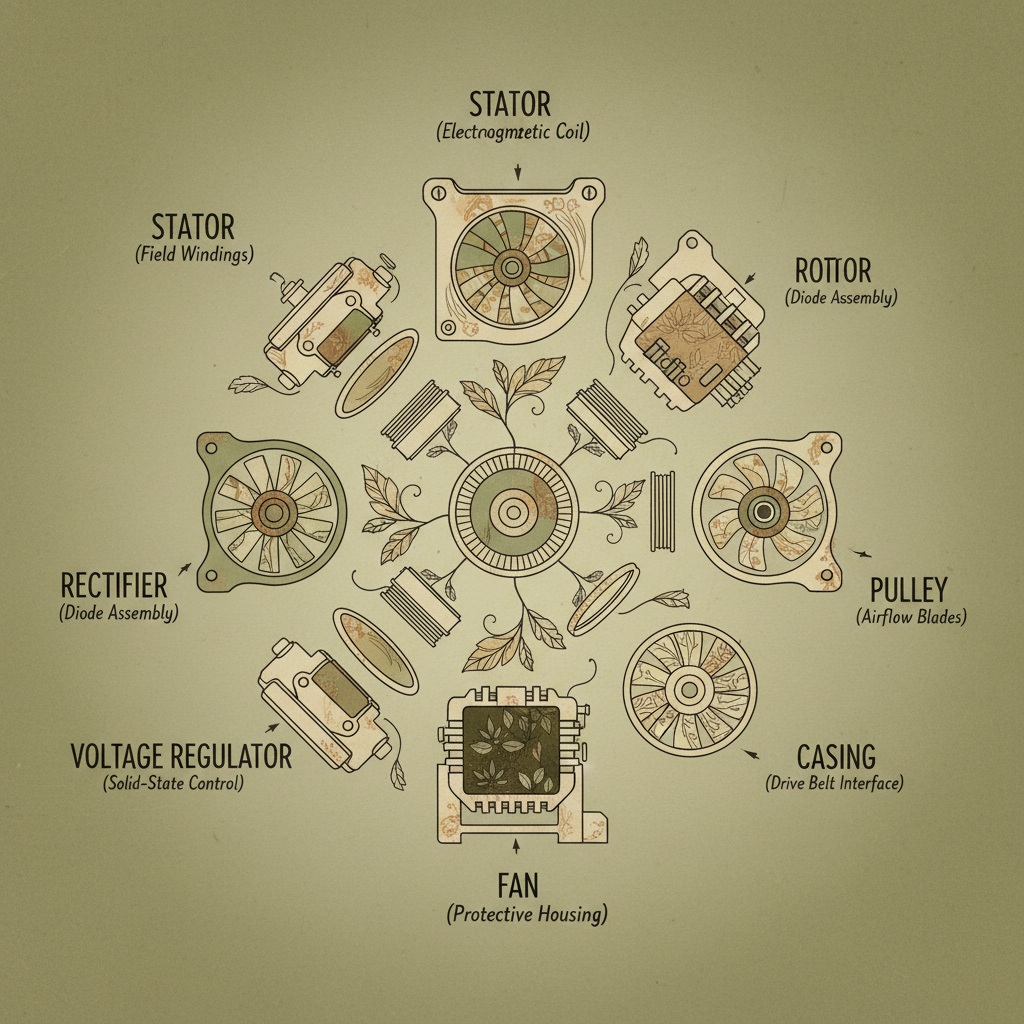
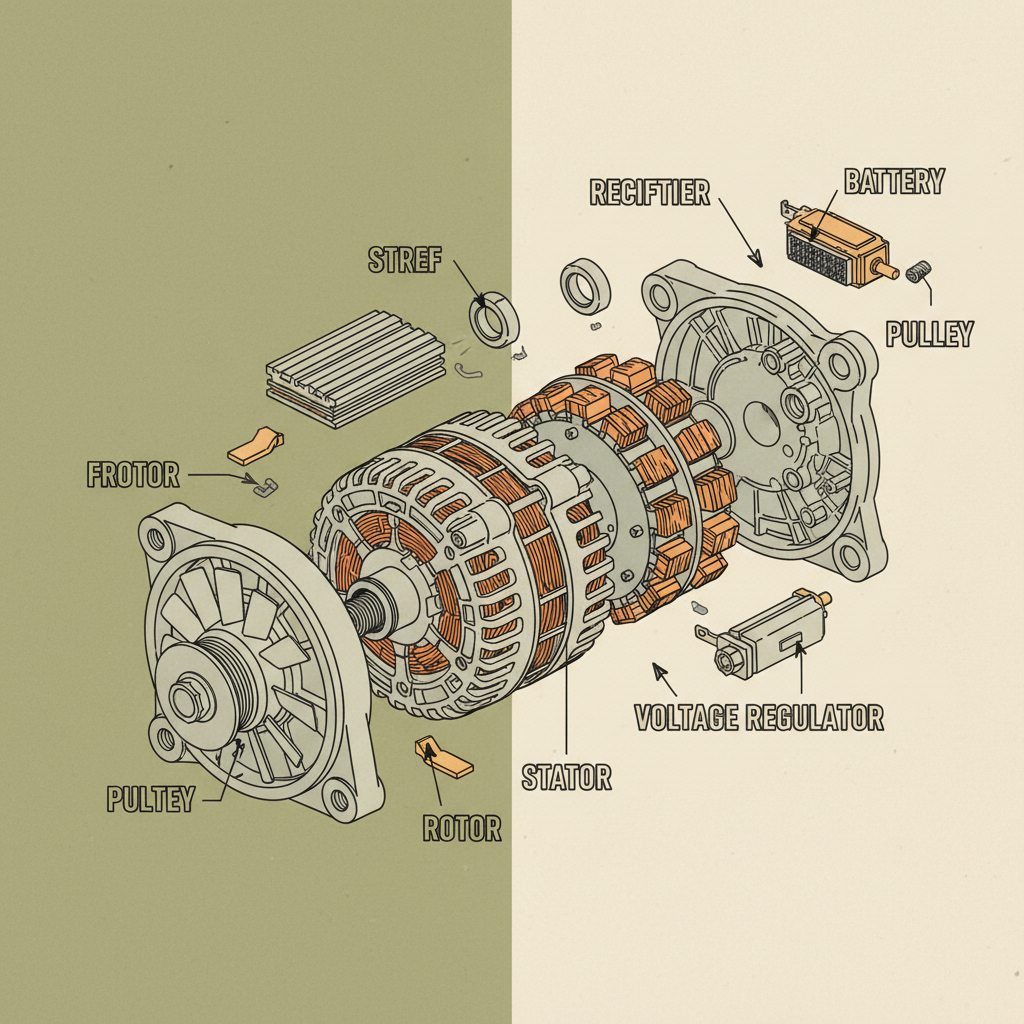
As I mentioned before, high-tensile steel is king for the main housing. You need something that can withstand the vibrations and impacts of a car engine. The copper windings are obviously crucial – the higher the purity, the more efficient the alternator. But the quality of the insulation around the windings is just as important. That's where you prevent shorts and overheating.
The bearings… now those are a whole other story. We use a combination of sealed ball bearings and tapered roller bearings, depending on the application. The sealed ball bearings are good for quieter operation, but they don't handle heavy loads as well. The tapered roller bearings can take a beating, but they require regular greasing. It's a trade-off. And the silicone diodes – gotta get those right. They’re the heart of the rectification process, turning AC into DC.
We’ve experimented with some new magnetic materials lately, trying to get better output at lower speeds. Neodymium magnets are powerful, but they’re also brittle and expensive. We’re looking at some newer alloys that offer a better balance of performance and cost. Later... Forget it, I won't mention it.
Testing car alternator manufacturers in Real-World Conditions
Forget about your fancy lab tests! They’re useful for basic quality control, but they don’t tell you how something will actually perform in the real world. We test these things by throwing them into cars and driving them… hard. We’ve got a fleet of test vehicles that we run through all sorts of conditions – city driving, highway driving, off-roading, even towing trailers.
We also do a lot of thermal cycling. We heat them up to extreme temperatures and then cool them down rapidly to see how they hold up. And we subject them to vibration testing – simulating the constant shaking and jarring of a car engine. We’ve even dunked them in saltwater to test their corrosion resistance. It's messy work, but it’s necessary.
car alternator manufacturers Performance Metrics
User Application of car alternator manufacturers
You know, it's funny. Engineers design these things to work a certain way, but users always find a way to misuse them. We've had people try to power entire home theaters off their car alternators at campsites. And don't even get me started on the modifications people make for their off-road vehicles. They're adding winches, lights, sound systems… it’s insane!
Most of the time, it’s about upgrading to handle increased electrical loads. People are adding more and more accessories to their cars, and the stock alternator just can’t keep up. They need a heavy-duty alternator to provide enough power.
Advantages and Disadvantages of car alternator manufacturers
Look, the advantages are pretty straightforward. They provide reliable power, they're relatively affordable, and they're readily available. A good alternator will last for years with minimal maintenance. But the disadvantages… well, they’re not the most efficient devices. A significant amount of energy is lost as heat. And they rely on the engine being running, which means you're burning fuel just to generate electricity.
Another issue is the size and weight. They take up a fair amount of space in the engine compartment, and they add to the overall weight of the vehicle. But hey, you can’t have everything, right? There’s always a trade-off.
And let's be real, replacing one can be a pain in the neck. It’s not a job for the faint of heart.
Customization Options for car alternator manufacturers
We can customize just about anything. Voltage output, amperage, pulley size, housing material… you name it. We even had a customer last month – a small boss in Shenzhen who makes smart home devices – insisted on changing the interface to . ! On an alternator! I told him it was a terrible idea, but he wouldn't listen. The result? It was a complete disaster. He had to switch back to the standard connector.
But seriously, we do a lot of customization for specific applications. Racing teams, for example, often need alternators with a higher output and a lighter weight. Off-road enthusiasts might want an alternator that’s more resistant to dust and water.
We can also modify the pulley to match the engine’s specific requirements. It’s all about finding the right balance between performance and reliability.
Key Performance Indicators for car alternator manufacturers
| Component |
Durability Rating (1-10) |
Cost Factor (1-10) |
Performance Impact (1-10) |
| Stator Windings |
8 |
7 |
9 |
| Rotor Assembly |
9 |
8 |
8 |
| Voltage Regulator |
7 |
6 |
7 |
| Rectifier Diodes |
6 |
5 |
8 |
| Bearings |
7 |
4 |
6 |
| Housing |
9 |
6 |
5 |
FAQS
Honestly, it varies a lot depending on driving conditions and the quality of the unit. But a good one should last at least 80,000 to 100,000 miles, sometimes even longer. I've seen some go over 200,000 miles, but those are the exception, not the rule. Regular maintenance, like checking the belt tension, can help extend its life. If you start noticing dimming headlights or a whining noise, that’s usually a sign it's on its way out.
Absolutely. A failing alternator won’t properly charge the battery, and eventually, the battery will drain completely. It’s a common problem, especially in older vehicles. People often think their battery is bad when it’s actually the alternator that’s causing the issue. I've seen so many batteries replaced unnecessarily because of this. So, if you’re constantly jumping your car, get the alternator checked.
A rebuilt alternator means it’s been taken apart, inspected, and had any worn or damaged parts replaced. It's generally more affordable than a new alternator, but the reliability depends on who did the rebuilding. A reputable rebuilder will use high-quality parts and thoroughly test the unit. A cheap rebuild… well, you get what you pay for. I always recommend checking the warranty.
That depends on the vehicle and the alternator itself. Parts can range from $100 to $500, and labor can add another $100 to $300. So, you’re looking at a total cost of $200 to $800. It's not a cheap repair, but it's essential to keep your car running. Sometimes, it's more cost-effective to replace the entire unit than to try and repair it.
Dimming headlights, a warning light on the dashboard, a whining or grinding noise coming from the engine, difficulty starting the car, and electrical accessories not working properly (like the radio or power windows) are all common signs. And, as I said before, if your battery keeps dying, get the alternator checked. It’s better to catch a problem early before it leaves you stranded on the side of the road.
You can do a basic test with a multimeter to check the voltage output. But it’s not always accurate, and you need to know what you’re doing. It’s best to take it to a professional mechanic for a thorough diagnosis. They have the right tools and expertise to pinpoint the problem. Messing with the electrical system can be dangerous if you don’t know what you’re doing.
Conclusion
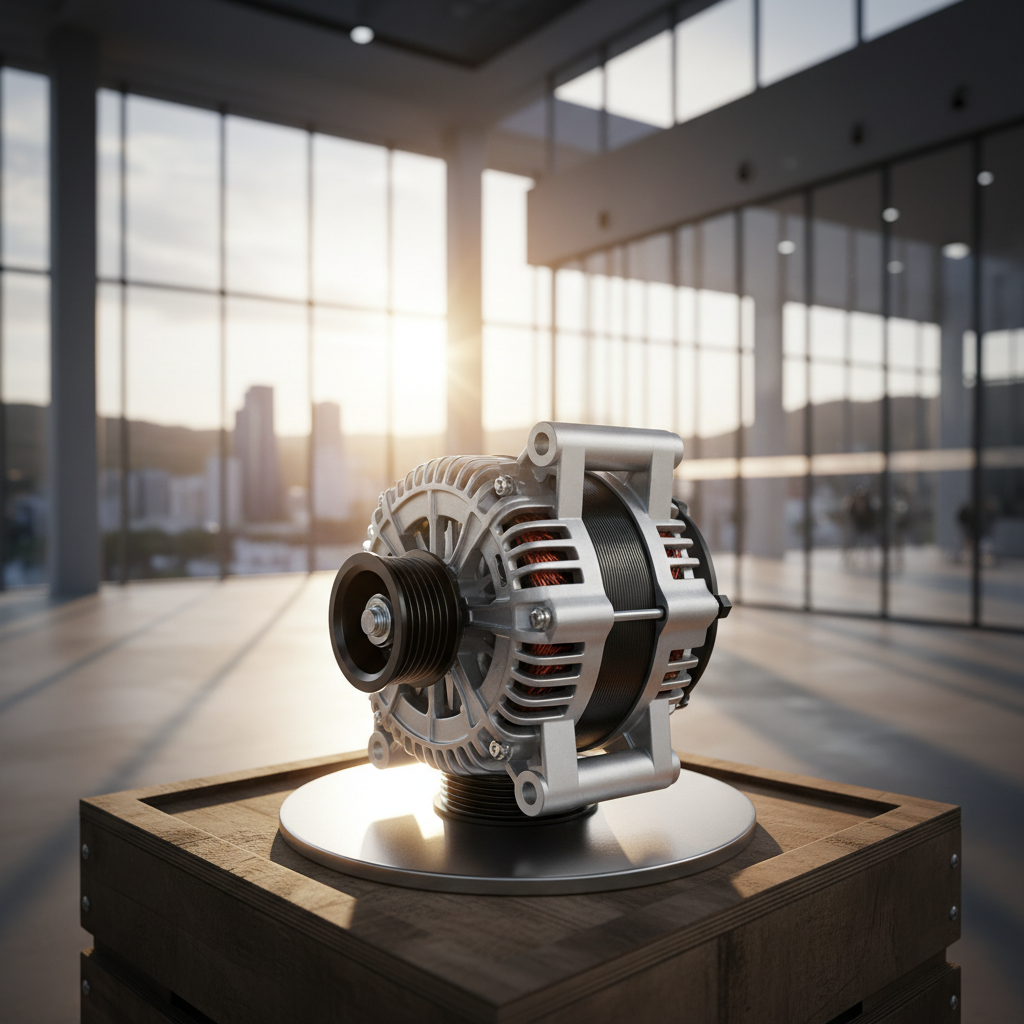
So, there you have it. car alternator manufacturers are a critical component of any vehicle, and they're constantly evolving to meet the demands of modern technology. It’s a field that requires a deep understanding of materials, engineering principles, and real-world applications. We've talked about the trends, the pitfalls, the materials, and the testing.
Ultimately, whether this thing works or not, the worker will know the moment he tightens the screw. Because in the end, it’s not about the specs on the datasheet, it’s about whether it keeps the lights on and the engine running. And that's what matters. Visit our website at www.jltalternator.com to learn more about our car alternator manufacturers.