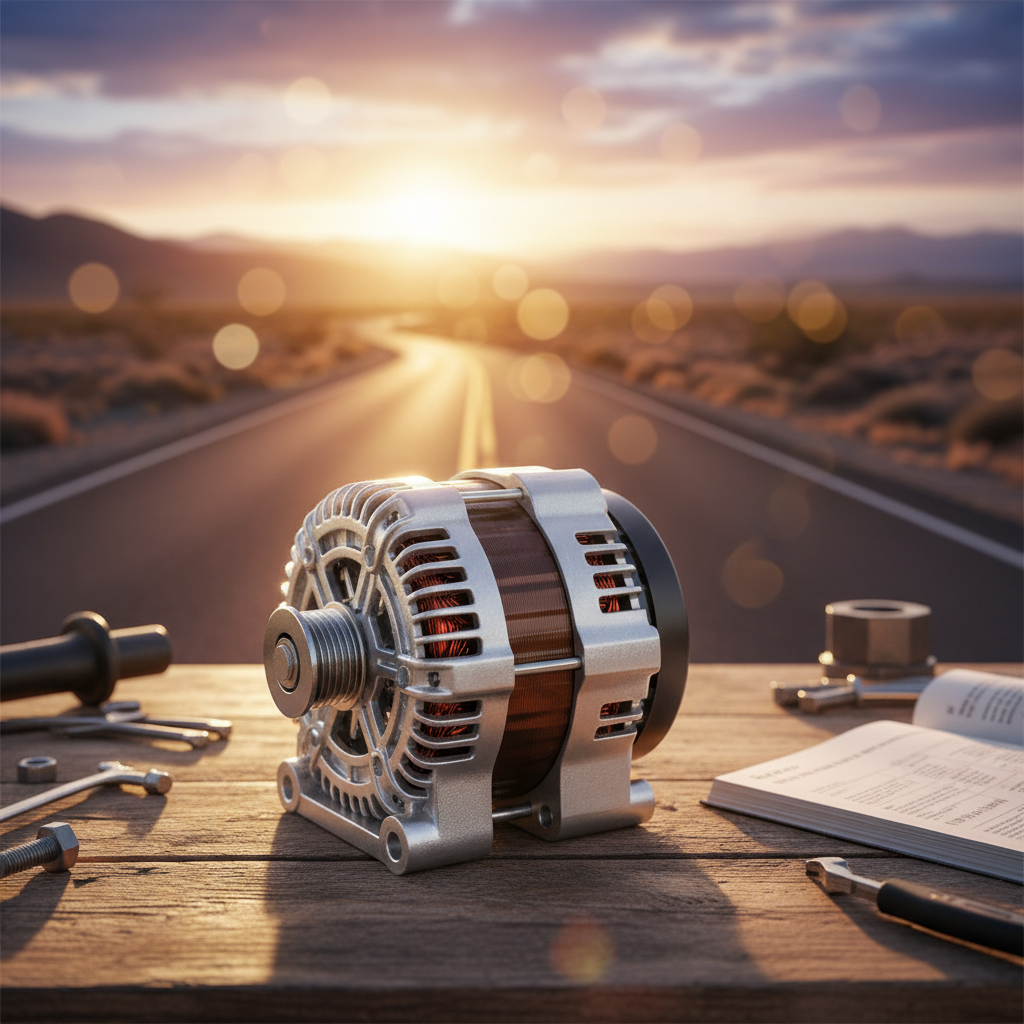
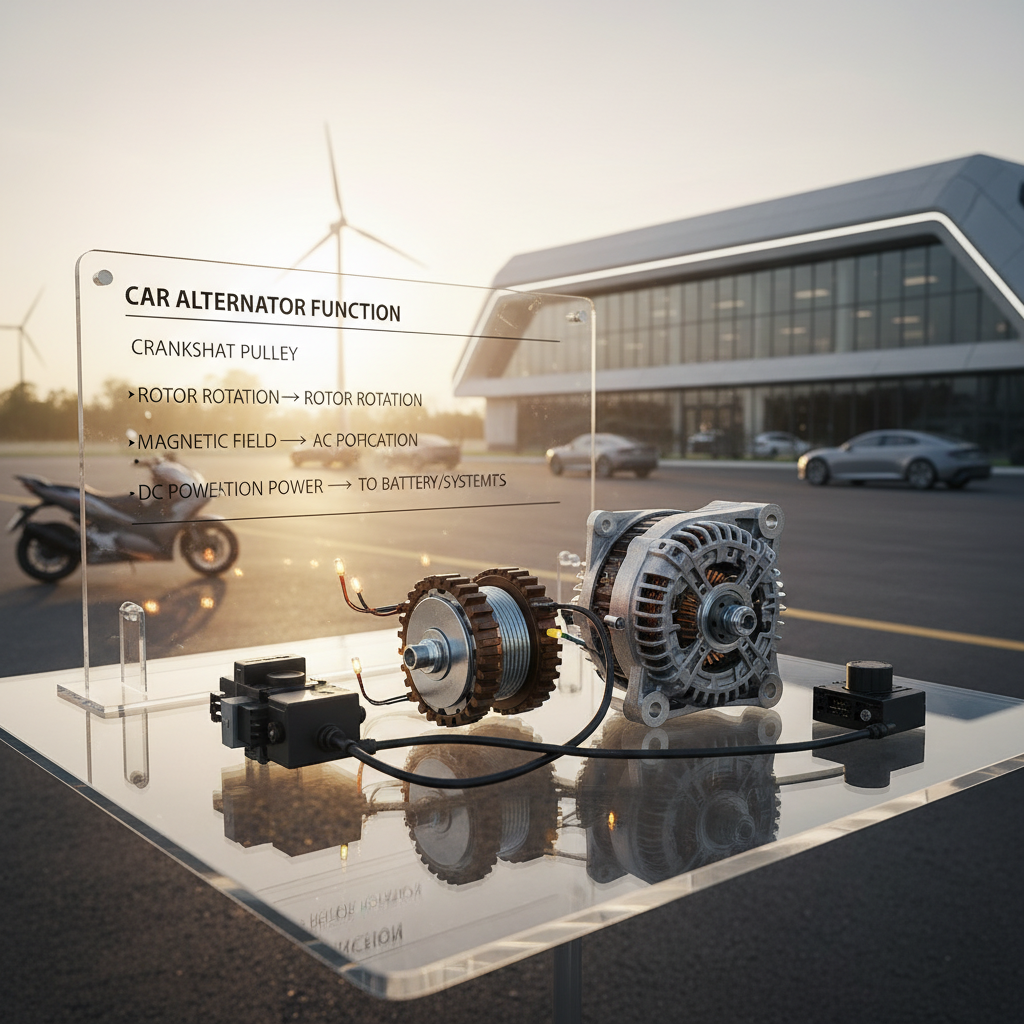
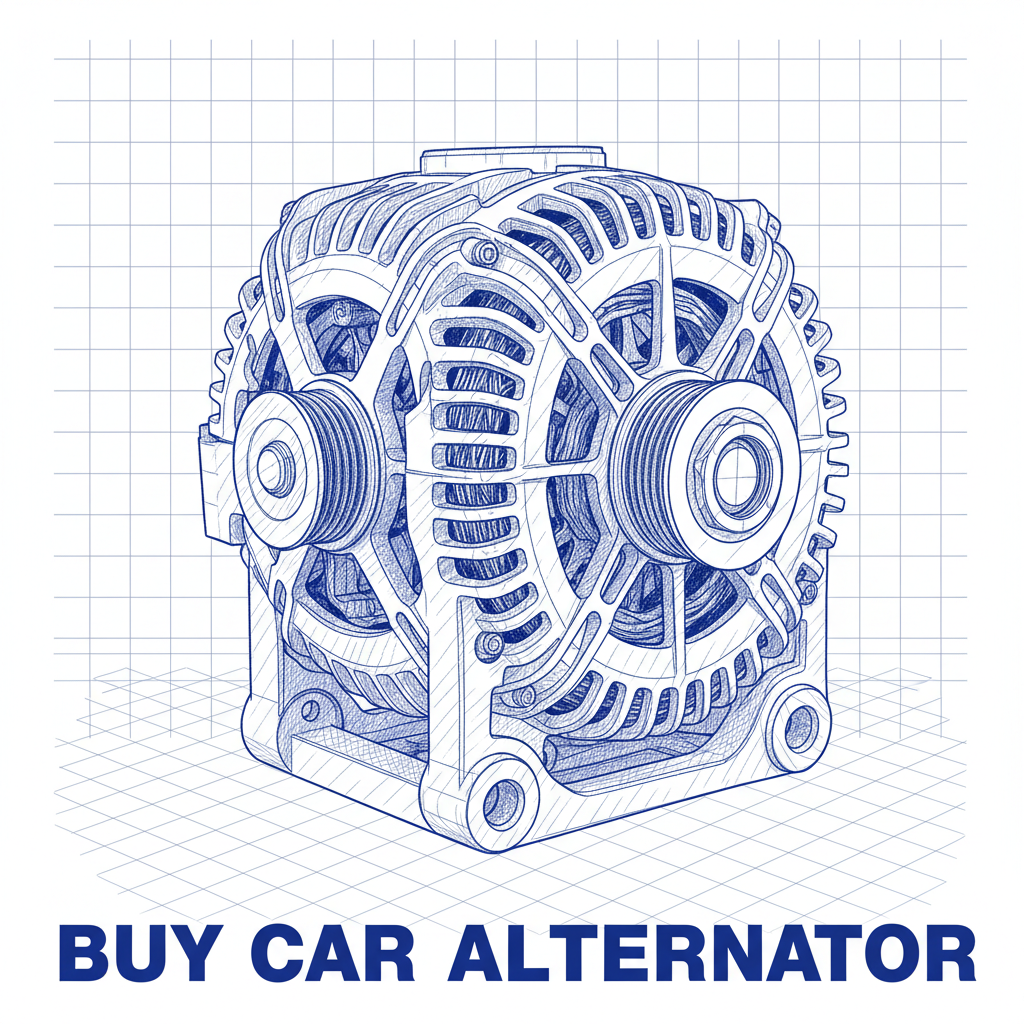
The world relies on dependable power, and at the heart of many systems, you'll find the alternator. Specifically, the alternator 110 amp is a workhorse, a critical component in everything from vehicles and boats to backup power systems and even off-grid solutions. It’s not about fancy specs on a datasheet; it’s about keeping the lights on, the equipment running, and people safe. I’ve spent years on construction sites, in repair yards, and alongside engineers, and I can tell you firsthand, a failing alternator 110 amp isn't just an inconvenience – it’s a potential shutdown. Understanding its role and what makes a good one is crucial for anyone who relies on consistent power.
We’re past the point where power is a luxury. It's a necessity for modern life, and reliable power generation is the foundation for just about everything. The alternator 110 amp is a key part of that, converting mechanical energy into electrical energy to power vital systems. The demand for these alternators is steady, driven by the continued growth of the automotive industry, the increasing popularity of recreational vehicles, and a growing need for robust backup power solutions, especially in regions prone to natural disasters or unstable grid infrastructure. I've seen first hand the impact of consistent, reliable power, and it all starts with quality components like this.
Think of it like this: you wouldn't build a house on a shaky foundation, right? The alternator 110 amp is the foundation of your electrical system. It’s not glamorous, but it's absolutely vital. It’s the component that allows you to confidently start your engine, run your lights, and keep essential equipment online. And believe me, when it fails, you will notice.
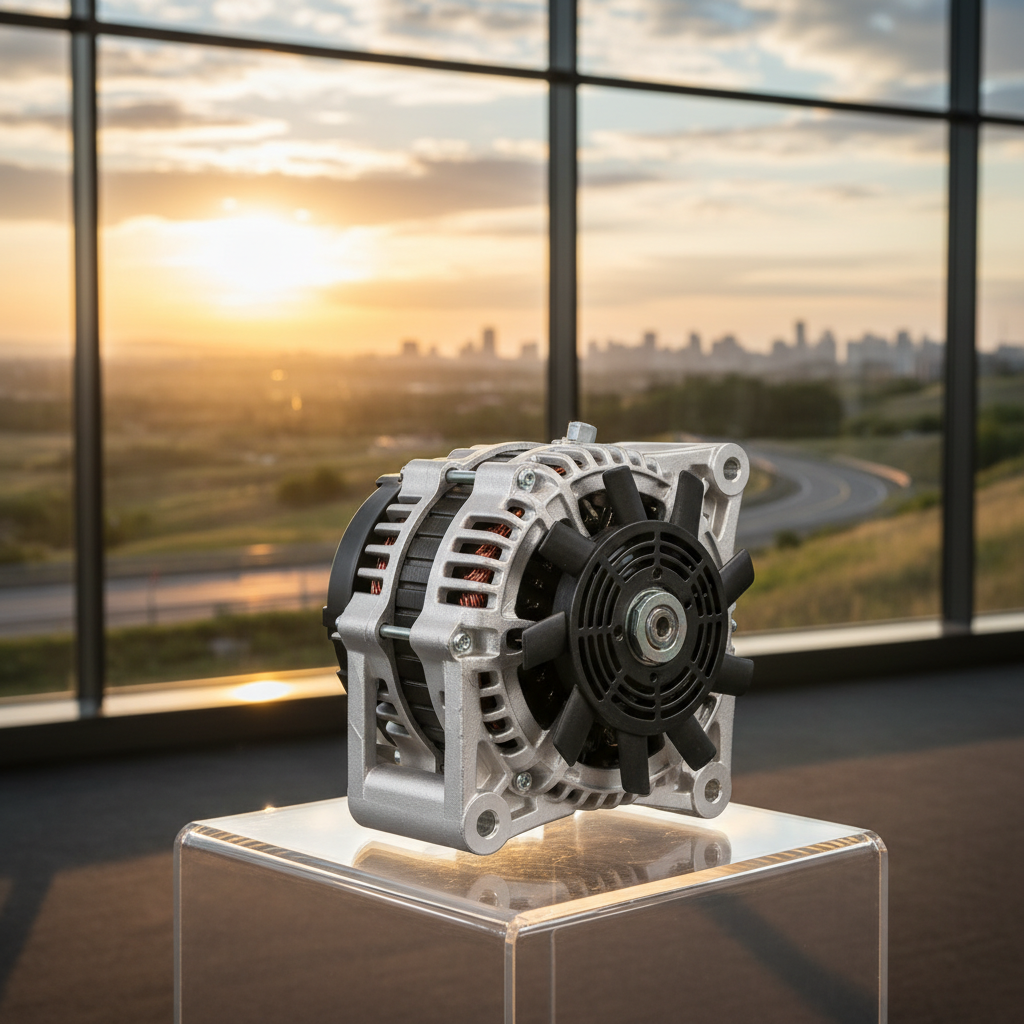
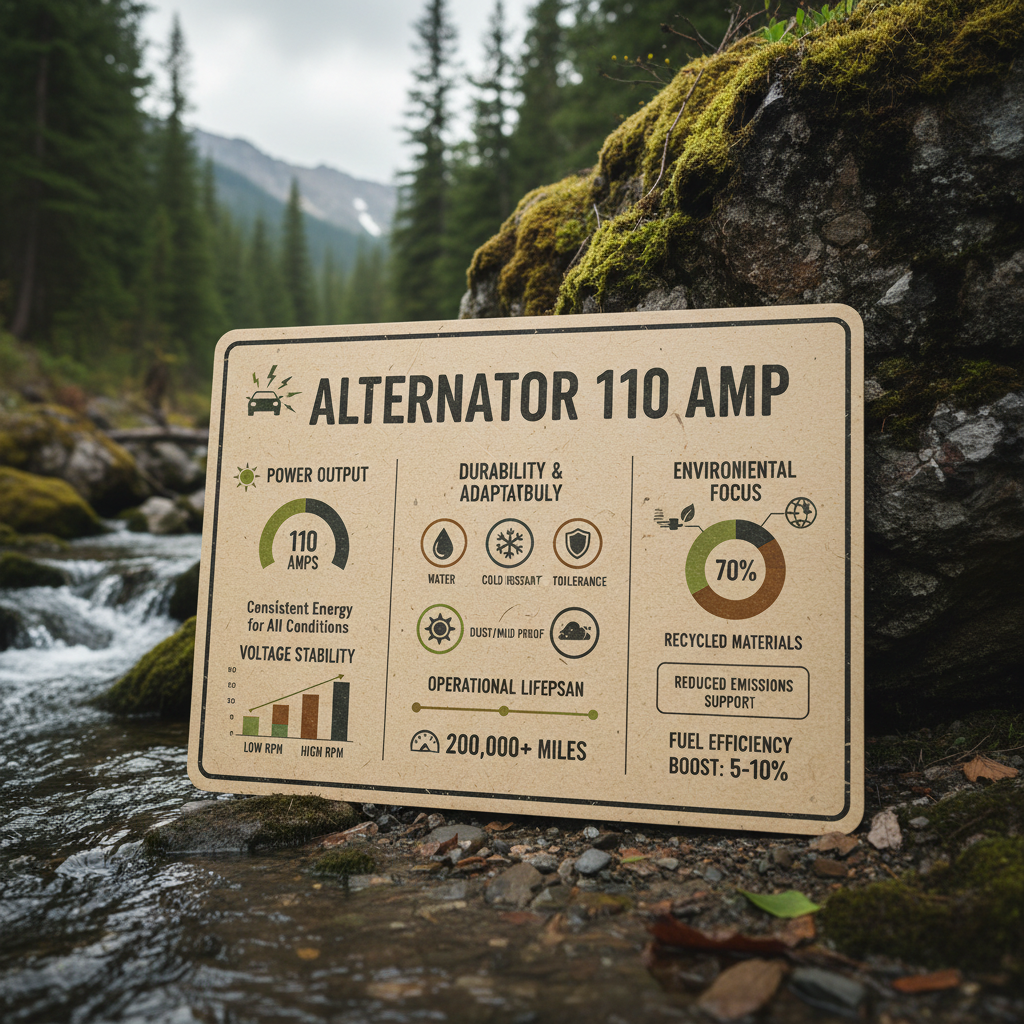
Let's be clear: a robust alternator 110 amp isn't just a component; it's a reliability safeguard. On construction sites, we have generators running everything from power tools to lighting. A failing alternator means downtime, lost productivity, and potential safety hazards. I’ve seen projects delayed because of subpar alternators. You need something that can handle the constant demand and the harsh conditions.
The 110 amp rating is a sweet spot for many applications. It’s enough power to comfortably run most vehicle electrical systems, even with accessories like air conditioning, lights, and audio systems. But it’s also manageable in terms of size and weight. It's the workhorse of the electrical system – not too big, not too small, but just right for a wide range of needs.
One of the biggest challenges is maintaining consistent quality in a global supply chain. Counterfeit parts and substandard materials can compromise performance and reliability. That’s why it’s critical to source from reputable manufacturers and conduct thorough testing. Another challenge is dealing with harsh operating conditions, such as extreme temperatures and corrosive environments.
The solution? Robust design, high-quality materials, and effective protection against the elements. Manufacturers are increasingly using advanced coatings and sealing technologies to protect alternators from corrosion and moisture. Additionally, investing in predictive maintenance programs – utilizing data analytics to identify potential problems before they occur – can significantly reduce downtime and improve overall reliability.
Finally, there’s the challenge of adapting to evolving automotive technologies. As vehicles become more complex, alternators need to be able to handle the increased electrical load. The key here is continuous innovation and a willingness to embrace new technologies.
| Challenge | Impact on Alternator 110 Amp | Solution | Implementation Cost (1-10) |
|---|---|---|---|
| Counterfeit Parts | Reduced lifespan, unreliable performance. | Source from verified suppliers, rigorous quality control. | 4 |
| Harsh Environments | Corrosion, overheating, premature failure. | Protective coatings, improved cooling systems. | 6 |
| Evolving Vehicle Tech | Increased electrical load, demand for higher output. | Advanced alternator designs, integrated energy storage. | 7 |
| Supply Chain Disruptions | Delays, increased costs. | Diversify suppliers, build strategic reserves. | 5 |
| Lack of Predictive Maintenance | Unplanned downtime, costly repairs. | Implement data analytics and sensor monitoring. | 8 |
| Material Costs | Higher production costs. | Explore alternative materials, optimize design. | 3 |
Typically, an alternator 110 amp will last anywhere from 5 to 10 years, or 80,000 to 150,000 miles. However, that can vary drastically depending on driving conditions, maintenance, and the quality of the unit itself. Extreme temperatures, heavy use of electrical accessories, and corrosion can all shorten its lifespan. Regular inspections and preventative maintenance, like checking belt tension and cleaning connections, can help maximize its longevity.
Several telltale signs indicate a failing alternator 110 amp. Dim or flickering headlights, a weak battery, difficulty starting the engine, and warning lights on the dashboard are all common symptoms. You might also hear whining or grinding noises coming from the alternator itself. If you experience any of these issues, it's crucial to have your charging system checked by a qualified mechanic promptly.
Absolutely. If an alternator 110 amp isn't charging the battery properly, the battery will gradually discharge. Eventually, this can lead to a dead battery and a vehicle that won't start. In some cases, a failing alternator can even damage the battery, requiring it to be replaced along with the alternator. That’s why addressing alternator issues quickly is so important.
A rebuilt alternator 110 amp has been disassembled, inspected, and had worn parts replaced. It’s typically more affordable than a new unit but may not have the same lifespan or warranty. A new alternator is, well, new – it's never been used and comes with a full manufacturer's warranty. The choice depends on your budget and your needs. For critical applications, a new unit is generally the safer bet.
It can be a DIY project for experienced mechanics with the right tools and knowledge. However, it involves working with electrical systems, which can be dangerous if not handled properly. Incorrect installation can damage the alternator, the battery, or other electrical components. If you're not comfortable working with electrical systems, it’s best to leave the installation to a qualified professional.
The cost of replacing an alternator 110 amp can vary depending on the vehicle, the type of alternator (new vs. rebuilt), and labor rates. Generally, you can expect to pay anywhere from $300 to $800, including parts and labor. It’s always a good idea to get quotes from multiple mechanics before proceeding with the repair.
The alternator 110 amp is a foundational component of modern power systems, supporting everything from everyday transportation to critical infrastructure and emergency services. Its reliability, efficiency, and durability are paramount, and choosing a quality unit is an investment in peace of mind and long-term cost savings. Understanding its key performance factors and staying abreast of emerging trends is crucial for anyone who relies on consistent power.
Looking ahead, the future of alternator technology will be shaped by advancements in materials science, energy storage, and digital analytics. By embracing innovation and prioritizing quality, we can ensure that the alternator 110 amp continues to play a vital role in powering our world for years to come. For reliable and high-performance alternator solutions, alternator 110 amp is your trusted partner.