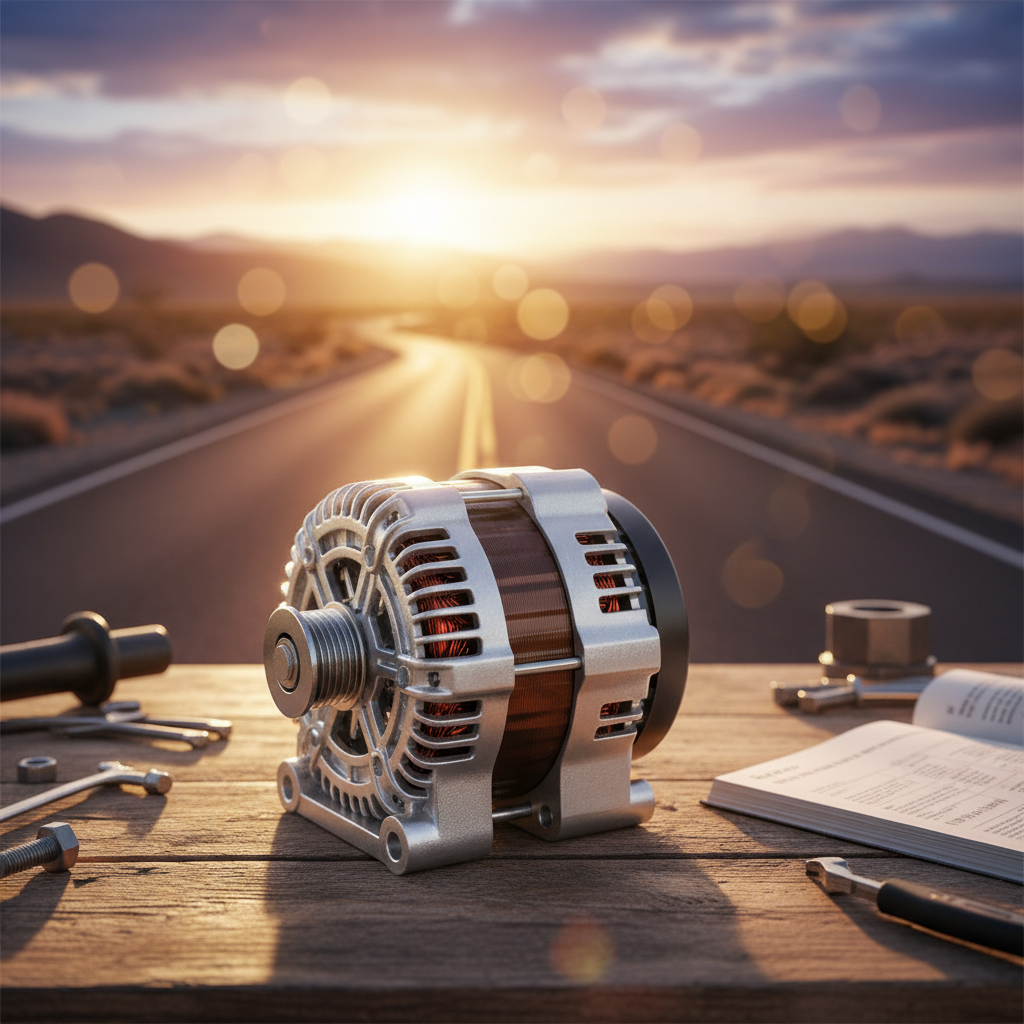
The 100 amp alternator is a critical component in countless applications, from powering vehicles and boats to serving as a robust energy source in off-grid systems. Its ability to reliably convert mechanical energy into electrical energy makes it indispensable in modern life. Understanding its functionality, applications, and advancements is crucial for professionals and enthusiasts alike. This detailed exploration will delve into the nuances of the 100 amp alternator, highlighting its significance and potential.
Globally, the demand for reliable power solutions is ever-increasing, particularly in developing nations and remote locations. A 100 amp alternator provides a practical and cost-effective means of generating electricity where grid access is limited or unavailable. The automotive industry, marine sectors, and emergency power systems are heavily reliant on this technology. According to industry reports, the global alternator market is projected to continue its growth trajectory, driven by advancements in vehicle electrification and increasing energy needs.
The increasing use of auxiliary electrical systems in vehicles—including navigation, entertainment, and safety features—demands robust charging capabilities. The 100 amp alternator directly addresses this need, ensuring consistent power delivery while the engine is running. Its compact size, efficiency, and durability have made it a standard feature in a wide range of vehicles, contributing significantly to vehicle performance and reliability. The development of more efficient 100 amp alternators also supports a reduction in fuel consumption.
The Significance of 100 amp alternator
A 100 amp alternator represents a balance between power output and physical size, making it a popular choice for a wide range of applications. It offers sufficient amperage to reliably power modern vehicles with their increasing electrical demands. Choosing the right 100 amp alternator ensures consistent performance and longevity.
The selection of a suitable 100 amp alternator directly impacts the overall reliability of the powered system. A well-maintained alternator contributes to improved fuel efficiency and reduced maintenance costs by ensuring consistent battery charging and preventing electrical system failures. You can find a 100 amp alternator designed to last.
Understanding 100 amp alternator: A Global Perspective
The global alternator market is significantly impacted by the automotive industry's growth, particularly in emerging economies. The increasing adoption of vehicles with advanced electronic systems drives the demand for higher-capacity alternators like the 100 amp model. Furthermore, the expansion of the marine industry and the rise of off-grid power solutions contribute to this demand.
According to a report by Allied Market Research, the global automotive alternator market was valued at $11.5 billion in 2022 and is projected to reach $15.2 billion by 2032, growing at a CAGR of 2.7% from 2023 to 2032. This growth is fueled by the increasing production of automobiles and the rising demand for advanced electrical systems.
Challenges within the supply chain and fluctuating raw material costs can impact the availability and pricing of 100 amp alternators. Geopolitical factors and trade policies also play a role in shaping the global alternator market. However, continued innovation and investment in manufacturing processes are addressing these challenges and ensuring a stable supply of this crucial component.
Defining a 100 amp alternator
A 100 amp alternator is an electrical generator that converts mechanical energy from an engine's rotational force into electrical energy. It's rated to deliver a maximum current of 100 amperes at a specific voltage (typically 12 or 24 volts). This output is sufficient to power a vehicle's electrical systems and simultaneously recharge the battery.
The core principle behind its operation involves electromagnetic induction. A rotating magnetic field induces an electrical current in the stator windings, creating the alternating current (AC) that is then converted to direct current (DC) through a rectifier. The 100 amp specification refers to the alternator’s capability under optimal conditions; actual output may vary depending on engine speed and electrical load.
Its connection to modern industry extends beyond automotive uses. The 100 amp alternator features prominently in marine applications, construction equipment, backup power systems, and even renewable energy setups where a reliable DC power source is required. The need for continuous, dependable power drives its prevalence in these diverse sectors.
Core Components and Characteristics of a 100 amp alternator
Several key components contribute to the functionality of a 100 amp alternator. These include the rotor (containing the rotating magnetic field), the stator (where the electrical current is induced), the rectifier (converting AC to DC), the voltage regulator (maintaining consistent output voltage), and the brushes (transmitting current to the rotor).
Key characteristics include its output amperage, voltage regulation accuracy, efficiency (the ratio of electrical output to mechanical input), durability, and operating temperature range. A high-quality 100 amp alternator will exhibit excellent voltage regulation, minimizing fluctuations that could damage sensitive electronic components.
100 amp alternator Performance Metrics
Global Applications of the 100 amp alternator
The 100 amp alternator finds widespread application in the automotive industry, powering everything from headlights and air conditioning to infotainment systems and safety features. Its reliable performance is essential for modern vehicle operation.
In the marine sector, these alternators are crucial for charging batteries on boats and yachts, powering navigation equipment, and running onboard appliances. They are frequently utilized in recreational boating, commercial fishing vessels, and larger ships. In post-disaster relief operations, portable generators equipped with 100 amp alternators provide vital electricity for communication, medical equipment, and basic living needs.
Advantages and Long-Term Value
The tangible benefits of using a 100 amp alternator include improved electrical system reliability, reduced battery wear, and enhanced vehicle performance. Its robust construction translates to longer service life and lower maintenance costs over time. Choosing a high-quality unit from a reputable source like jltalternator.com ensures lasting value.
Beyond cost savings, a dependable 100 amp alternator contributes to safety by ensuring consistent power to critical systems. It promotes sustainability by optimizing energy use and reducing the need for battery replacements. Furthermore, it builds trust and enhances the overall ownership experience for vehicle and equipment users.
Future Trends and Innovations in 100 amp alternator Technology
The future of 100 amp alternator technology is focused on improving efficiency, reducing weight, and enhancing durability. Innovations in materials science, such as the use of rare-earth magnets and advanced winding techniques, are driving these advancements.
The integration of smart technology, including digital voltage regulators and remote monitoring capabilities, is also gaining traction. These features allow for real-time performance monitoring, predictive maintenance, and optimized charging profiles. Furthermore, research into alternative generator designs, like axial flux alternators, holds promise for even greater efficiency and compactness.
Addressing Challenges in 100 amp alternator Implementation
A common challenge is managing heat buildup within the alternator, especially under heavy loads. This can lead to reduced efficiency and premature failure. Improved cooling systems, utilizing advanced heat sinks and optimized airflow, are key solutions.
Another concern is the susceptibility of components to corrosion, particularly in marine environments. Protective coatings and corrosion-resistant materials are employed to mitigate this issue. Ensuring proper installation and regular maintenance, including cleaning and inspection, also contribute to long-term reliability.
Finally, sourcing high-quality components from reliable suppliers is paramount. Choosing a reputable manufacturer committed to quality control and testing ensures a durable and efficient 100 amp alternator that meets or exceeds industry standards.
Summary of 100 amp Alternator Challenges and Solutions
| Challenge |
Impact |
Proposed Solution |
Implementation Cost (1-10) |
| Heat Dissipation |
Reduced Efficiency, Premature Failure |
Advanced Heat Sinks, Optimized Airflow |
6 |
| Corrosion |
Component Degradation, Reduced Lifespan |
Protective Coatings, Corrosion-Resistant Materials |
7 |
| Voltage Regulation |
Damage to Sensitive Electronics |
Digital Voltage Regulators, Precise Calibration |
5 |
| Component Quality |
Reliability Issues, Frequent Replacements |
Sourcing from Reputable Manufacturers |
4 |
| Brush Wear |
Intermittent Power Supply, Reduced Output |
Brushless Designs, High-Quality Carbon Brushes |
8 |
| Load Fluctuations |
Instability, Strain on Components |
Robust Voltage Regulation System |
6 |
FAQS
The lifespan of a 100 amp alternator varies based on usage and maintenance, but typically ranges from 5 to 10 years, or 80,000 to 150,000 miles. Regular inspections and addressing issues promptly can significantly extend its life. Factors like operating conditions (harsh environments) and electrical load also play a role. Choosing a quality unit from a trusted source will provide the most dependable performance.
Common signs of a failing 100 amp alternator include dim headlights, a warning light on the dashboard, difficulty starting the vehicle, unusual noises (whining or grinding), and electrical system malfunctions. If you experience any of these symptoms, it's crucial to have your alternator tested by a qualified mechanic to diagnose the issue.
While a 100 amp alternator can recharge a battery, it may take a significant amount of time to fully charge a completely dead battery, especially if the battery is old or damaged. In some cases, it might be more efficient to use a dedicated battery charger to initially boost the battery before relying on the alternator to maintain the charge.
An alternator, including a 100 amp model, generates AC power that is then rectified to DC. It requires external excitation and starts producing power immediately upon engine start. A generator, on the other hand, produces DC power directly but typically requires a separate starting system and may have a lower power output for its size.
Not necessarily. While a higher amperage alternator can provide more power, it's important to match the alternator's output to the vehicle’s electrical demands. An oversized alternator might not offer significant benefits and could even lead to inefficiencies. A 100 amp alternator is often the ideal choice for modern vehicles with typical electrical loads.
Regular maintenance includes checking the belt tension, inspecting the wiring connections for corrosion, and ensuring proper ventilation. Keeping the alternator clean and free from debris is also important. Address any unusual noises or warning lights promptly to prevent further damage.
Conclusion
The 100 amp alternator stands as a critical component in a vast array of applications, providing reliable and efficient power solutions. From powering modern vehicles to supporting emergency systems and off-grid installations, its versatility and dependability are paramount. Understanding its functionality, advantages, and future trends is essential for anyone involved in electrical systems and power generation.
Investing in a high-quality 100 amp alternator, coupled with regular maintenance, ensures long-term performance and cost savings. As technology advances, we can expect even more efficient, durable, and intelligent alternators to emerge, further enhancing their role in a world increasingly reliant on electrical power. For dependable 100 amp alternators and expert advice, visit our website today: www.jltalternator.com