The reliable operation of vehicles and machinery hinges on a consistent power supply, and that's where the significance of the alternator comes into play. Understanding the need to buy an alternator isn't simply about replacing a failed component; it’s about ensuring uninterrupted functionality, safety, and preventing costly downtime. From everyday commutes to critical industrial processes, a functioning alternator is fundamental.
The global market for automotive and industrial alternators is substantial and continues to grow, driven by increased vehicle production, expanding infrastructure projects, and the demand for reliable backup power. According to recent industry reports, the automotive alternator market is projected to reach billions of dollars in the coming years. The necessity to buy an alternator arises from a variety of factors, including wear and tear, electrical system upgrades, and vehicle modifications.
The challenges associated with alternator failure—stranded vehicles, production halts, and potential safety hazards—highlight the importance of proactively addressing alternator health and being prepared to buy an alternator when needed. A quick and informed decision regarding alternator replacement can significantly mitigate these issues.
The Core Functionality of buy an alternator
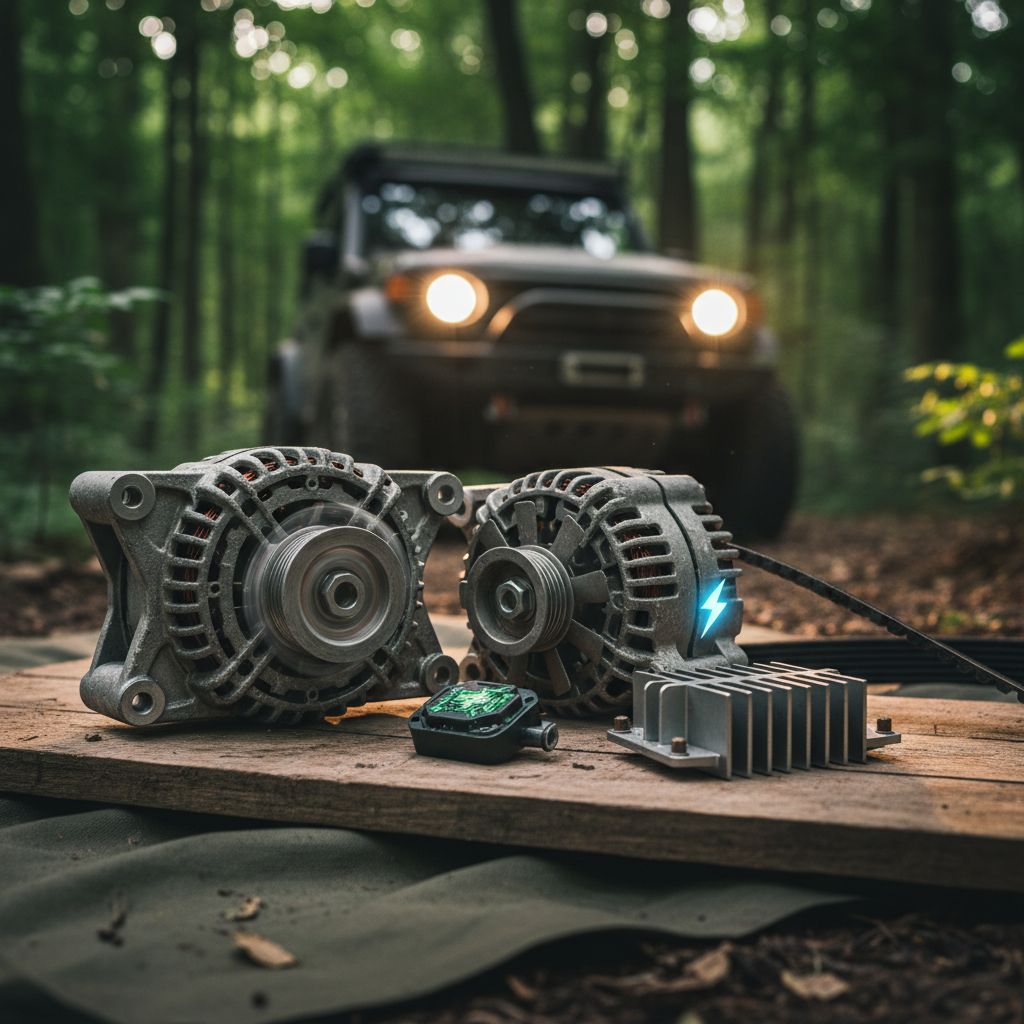
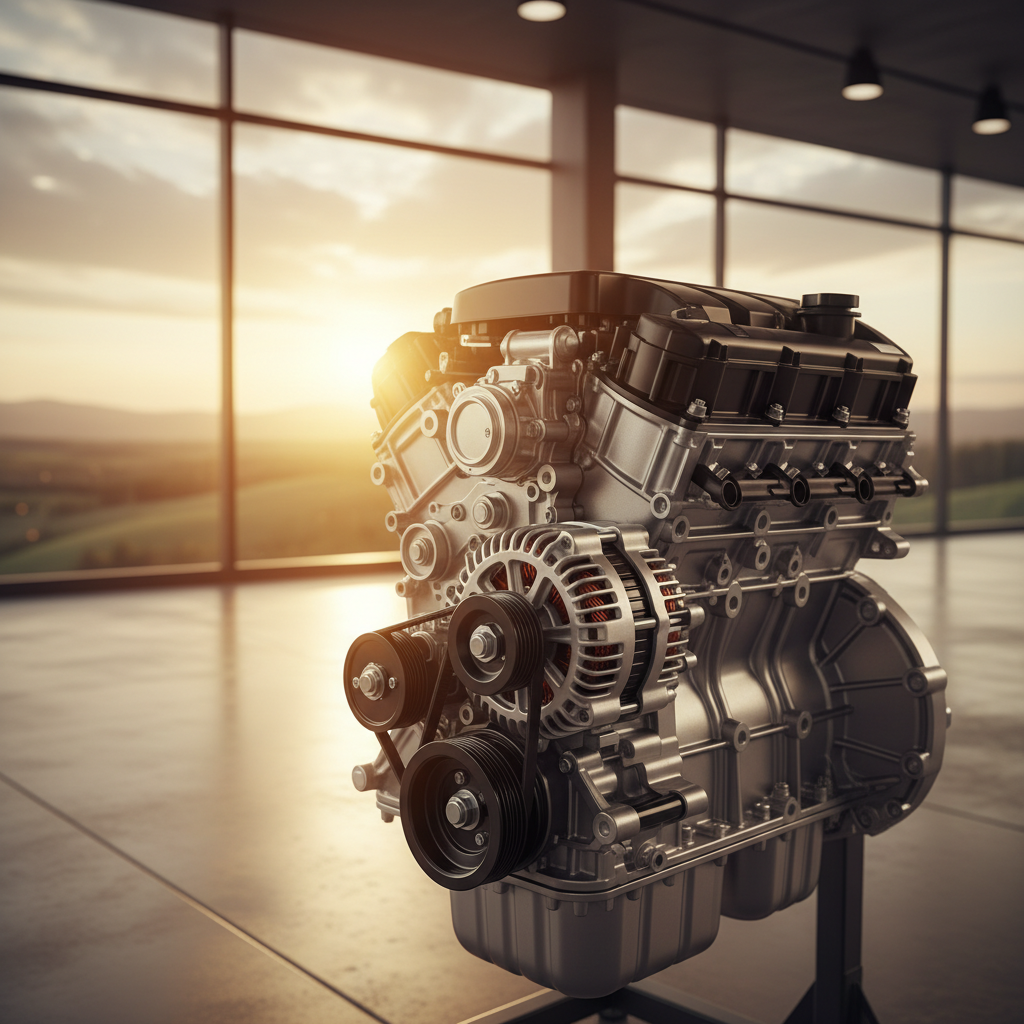
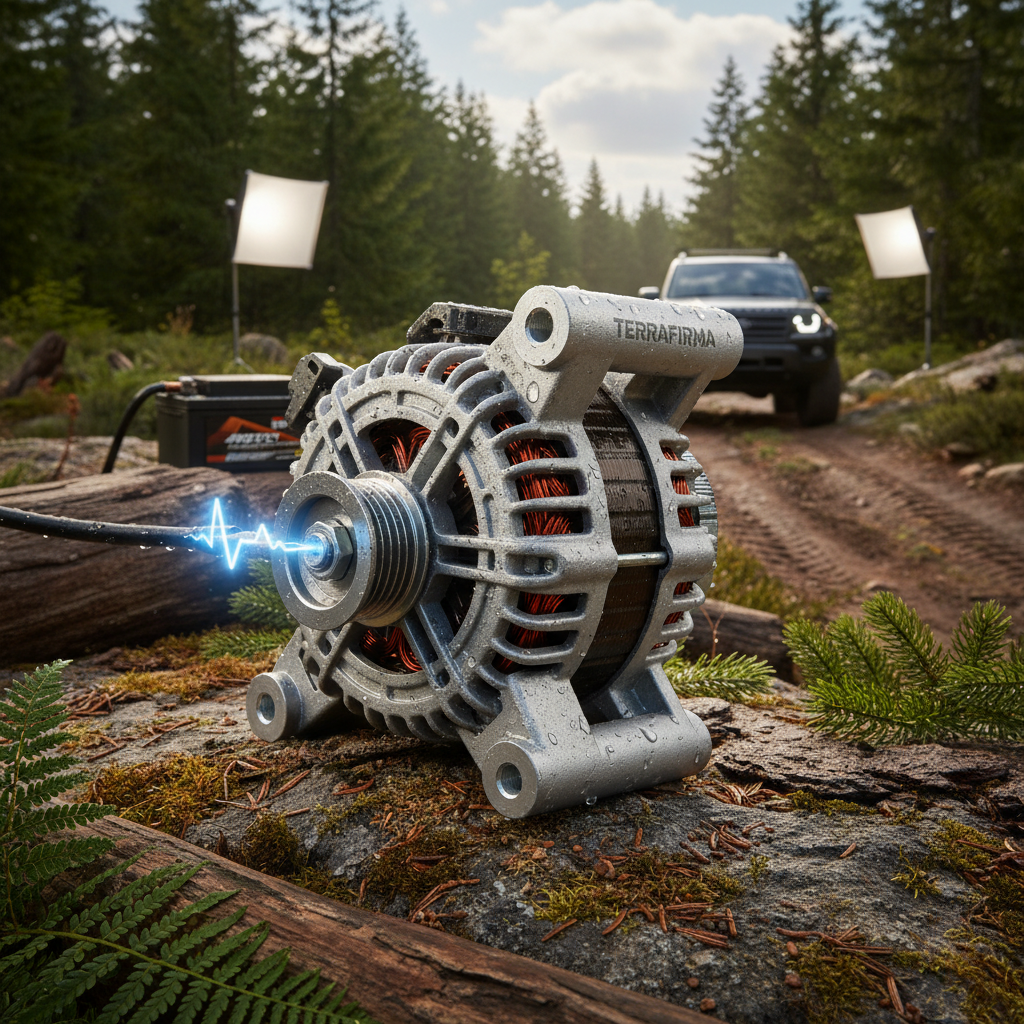
At its heart, an alternator’s role is to convert mechanical energy into electrical energy, providing the power necessary to run a vehicle’s electrical systems and recharge the battery while the engine is running. When it’s time to buy an alternator, understanding its core function is paramount.
The quality and efficiency of the alternator directly impact the performance and reliability of the entire electrical system. Selecting a robust and appropriately sized alternator when you buy an alternator is vital for optimal vehicle performance.
The Global Significance of buy an alternator
The demand to buy an alternator isn't limited to passenger vehicles. Industrial machinery, construction equipment, emergency generators, and marine vessels all rely on dependable alternators for their operation. This widespread application creates a massive global market.
Supply chains for alternators are complex, involving manufacturers in Asia, Europe, and North America. Global events, raw material costs, and transportation logistics can all influence the availability and pricing of alternators. It's a crucial component for keeping the world moving.
Regulations regarding emissions and fuel efficiency are driving innovation in alternator design. Manufacturers are constantly seeking ways to improve alternator efficiency and reduce their environmental impact, making the decision to buy an alternator an increasingly important consideration for sustainability.
Defining buy an alternator
To buy an alternator means to acquire a device that transforms mechanical energy, typically generated by an engine's rotation, into electrical energy in the form of alternating current (AC). This AC current is then converted to direct current (DC) for use by the vehicle's electrical system and to charge the battery.
In a modern context, the act of selecting and purchasing an alternator is about more than just a replacement part. It’s about selecting a component that meets specific vehicle requirements, offers reliable performance, and aligns with long-term cost-effectiveness. Choosing to buy an alternator from a reputable supplier is crucial.
The importance of a functioning alternator extends beyond simply keeping the car running. It impacts safety features like headlights and anti-lock brakes, and it’s crucial for the operation of modern convenience features like infotainment systems and climate control. When considering to buy an alternator, these aspects should be factored in.
Key Attributes when you buy an alternator
When you buy an alternator, several key attributes should guide your decision. First is amperage output—the alternator must supply sufficient power to meet the vehicle's electrical demands.
Secondly, consider the regulator’s efficiency – a quality regulator ensures stable voltage output, protecting sensitive electronic components. Robust construction and high-quality components are paramount for durability and longevity when you buy an alternator.
Alternator Performance Metrics
Real-World Applications of buy an alternator
From the family sedan to heavy-duty trucks, the need to buy an alternator is a common occurrence. In commercial fleets, where vehicles are constantly in use, preventative alternator maintenance and timely replacement are critical for minimizing downtime.
Emergency vehicles – ambulances, police cars, and fire trucks – rely on alternators to power life-saving equipment. A failing alternator in an emergency vehicle can have dire consequences. Therefore, choosing a quality alternator when you buy an alternator is especially crucial.
The Long-Term Benefits of buy an alternator
Investing in a high-quality alternator when you buy an alternator translates into long-term cost savings. A durable alternator reduces the frequency of replacements, minimizing repair costs and downtime.
Beyond the financial benefits, a reliable alternator enhances vehicle safety by ensuring consistent power to critical systems. It also contributes to a better driving experience by preventing unexpected electrical failures.
Choosing a reputable brand and a supplier like JLT Alternator provides peace of mind, knowing you’re receiving a product backed by quality and customer support.
Future Trends in buy an alternator Technology
The automotive industry is undergoing a rapid transformation, with the rise of electric and hybrid vehicles. While these vehicles utilize different charging systems, the demand for efficient power management remains paramount. Advancements in alternator technology are focusing on improved efficiency and reduced weight.
Smart alternators, equipped with advanced sensors and control systems, are becoming increasingly common. These alternators can optimize charging performance based on driving conditions and battery health, extending battery life and reducing fuel consumption. When you buy an alternator in the future, expect to see more integrated features.
Sustainable manufacturing practices are also gaining prominence. Manufacturers are exploring the use of recycled materials and reducing their carbon footprint, aligning with growing environmental concerns.
Analysis of Alternator Failure Modes
| Failure Mode |
Likelihood (1-10) |
Impact on Vehicle |
Typical Cost to Repair |
| Brushed Wear |
8 |
Moderate |
$150 - $300 |
| Voltage Regulator Failure |
7 |
High |
$200 - $400 |
| Diode Failure |
6 |
Moderate |
$100 - $250 |
| Stator Winding Short |
5 |
Critical |
$300 - $600 |
| Rotor Failure |
4 |
Critical |
$400 - $700 |
| Loose or Corroded Connections |
9 |
Low to Moderate |
$50 - $150 |
FAQS
It's recommended to have your alternator tested at least once a year, or whenever you notice signs of electrical issues, such as dim headlights or a warning light on your dashboard. Regular testing can help identify potential problems before they lead to a complete failure, saving you from unexpected breakdowns. When you need to buy an alternator, knowing its history is helpful.
Common signs include dim or flickering headlights, a warning light on the dashboard (often shaped like a battery), difficulty starting the vehicle, stalling, and unusual noises coming from the engine area. If you experience any of these symptoms, it’s wise to have your alternator inspected promptly. Don't delay – you may soon need to buy an alternator.
Yes, a severely discharged or failing battery can put extra strain on the alternator, potentially leading to premature failure. The alternator is designed to recharge a healthy battery, but if the battery is unable to hold a charge, the alternator will work harder and may overheat. This can result in needing to buy an alternator sooner than expected.
The average alternator lifespan is typically between 7 and 10 years, or 80,000 to 150,000 miles. However, several factors can affect its lifespan, including driving conditions, climate, and the quality of the alternator itself. Being prepared to buy an alternator when it reaches the end of its life is smart.
Replacing an alternator can be a DIY project for those with mechanical experience, but it requires some knowledge of automotive electrical systems. It’s important to disconnect the battery before working on the alternator and to follow the manufacturer's instructions carefully. If you’re unsure, it’s best to have a qualified mechanic handle the replacement. When you buy an alternator, consider professional installation if you're not confident.
When you buy an alternator, prioritize quality and compatibility. Ensure the alternator is designed for your specific vehicle make and model, and consider choosing a reputable brand known for reliability. Check the amperage output and voltage rating to ensure they meet your vehicle’s requirements. Also, consider warranty coverage for added peace of mind.
Conclusion
In conclusion, the alternator is a vital component of any vehicle or machinery that relies on electrical power. Understanding its function, recognizing the signs of failure, and knowing when to buy an alternator are essential for maintaining reliable operation and preventing costly downtime. Investing in a high-quality alternator is an investment in long-term performance, safety, and peace of mind.
Looking ahead, advancements in alternator technology will continue to focus on efficiency, sustainability, and integration with evolving vehicle systems. Staying informed about these trends and choosing a reputable supplier like JLT Alternator will ensure you’re well-equipped to meet your power needs for years to come.