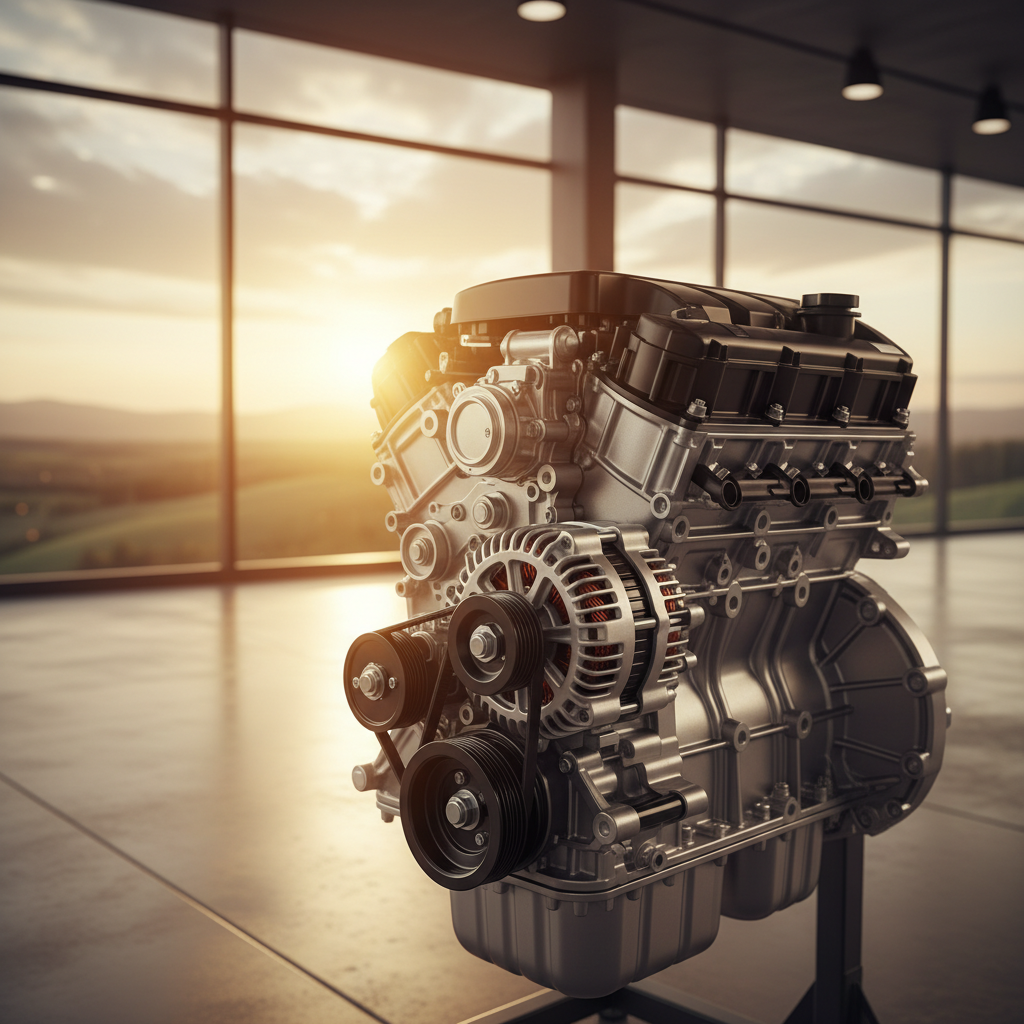
The alternator function in car engine is a critical component of modern vehicles, responsible for supplying electrical power while the engine is running. This system isn't just about keeping the lights on; it powers everything from the ignition system and fuel pumps to the infotainment system and safety features. Understanding its function is paramount for anyone involved in automotive maintenance, engineering, or simply seeking a deeper understanding of how their vehicle operates.
Globally, the automotive industry is a major economic driver, with millions of vehicles produced and maintained annually. A reliable alternator is crucial for ensuring vehicle performance, safety, and longevity. Failures can lead to breakdowns, potentially dangerous situations, and costly repairs. Understanding the alternator function in car engine is therefore not just a technical issue but a matter of economic stability and public safety.
The demand for efficient and durable alternators is constantly growing, driven by the increasing complexity of vehicle electrical systems and the rise of electric and hybrid vehicles. This demand necessitates continuous innovation in alternator design and materials, as well as skilled technicians capable of diagnosing and repairing alternator-related issues.
Introduction to Alternator Function
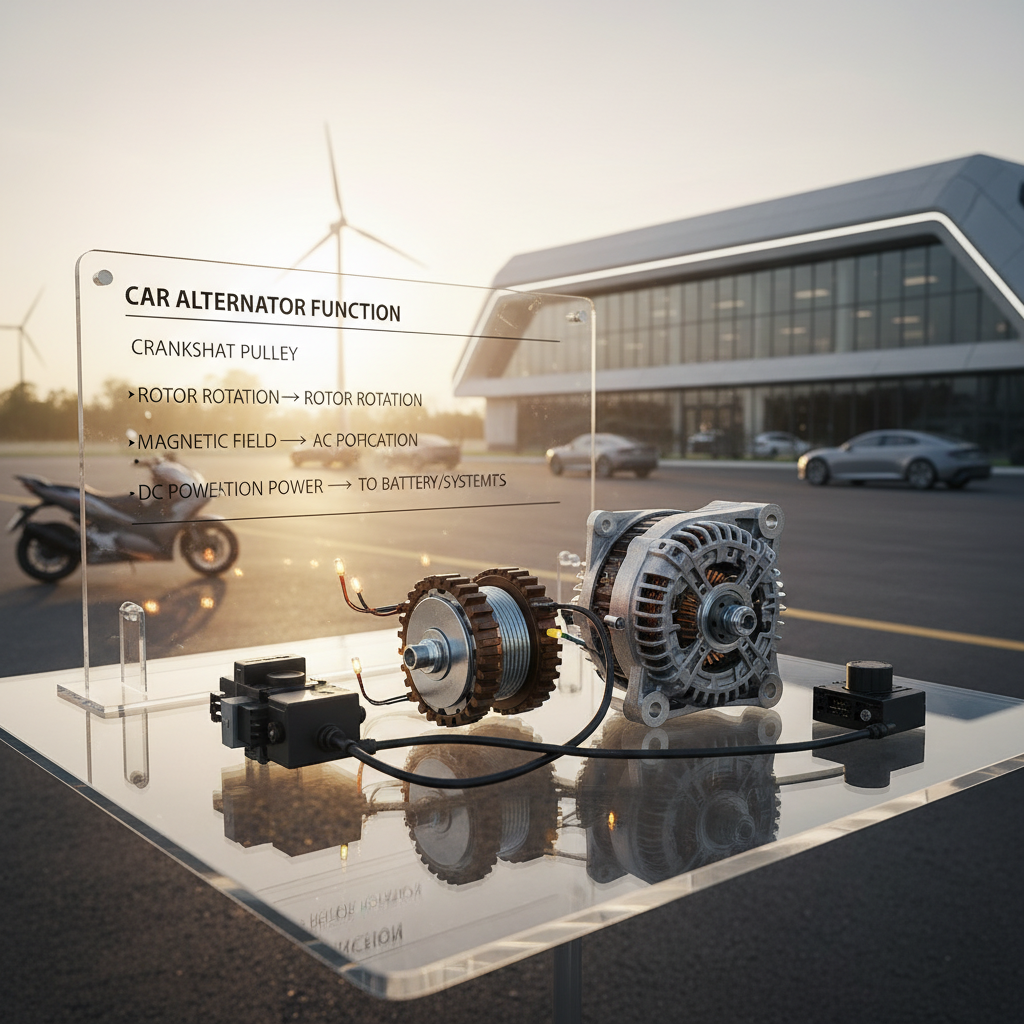
At its core, the alternator function in car engine involves converting mechanical energy from the engine’s rotation into electrical energy. This electrical energy is then used to power the vehicle’s various electrical systems and to recharge the battery. Without a properly functioning alternator, a vehicle simply wouldn't run for very long. alternator function in car engine is fundamental to modern vehicle operation.
The alternator's efficiency and reliability are paramount. Modern vehicles are increasingly reliant on sophisticated electronics, demanding a consistent and robust power supply. Factors like voltage regulation, current output, and heat dissipation all play crucial roles in ensuring optimal alternator performance.
Defining Alternator Function in Car Engine
The alternator function in car engine is best defined as a generator that produces alternating current (AC) electricity. This AC electricity is then converted to direct current (DC) electricity by a set of diodes within the alternator, as most car electrical systems operate on DC power. Essentially, it’s a crucial power source that supplants the battery once the engine is running.
This process is directly linked to the needs of modern industry. The automotive sector requires increasingly complex electrical systems for safety, comfort, and efficiency. Alternators must adapt to support features like advanced driver-assistance systems (ADAS), electric power steering, and increasingly sophisticated infotainment systems.
The demand for a reliable alternator function in car engine extends to humanitarian needs as well. Vehicles play a critical role in disaster relief, transportation of medical supplies, and maintaining communication networks in remote areas, all of which depend on a consistently functioning electrical system.
Core Components of an Alternator
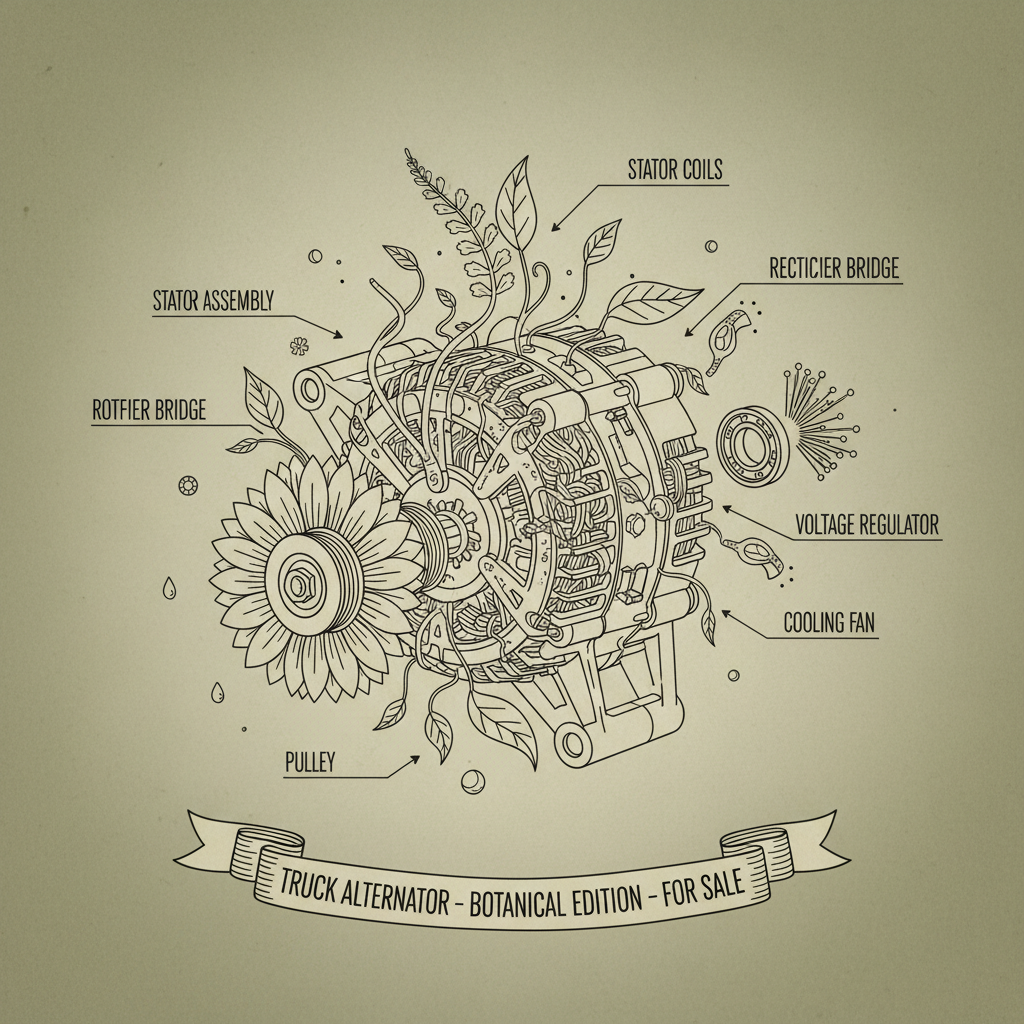
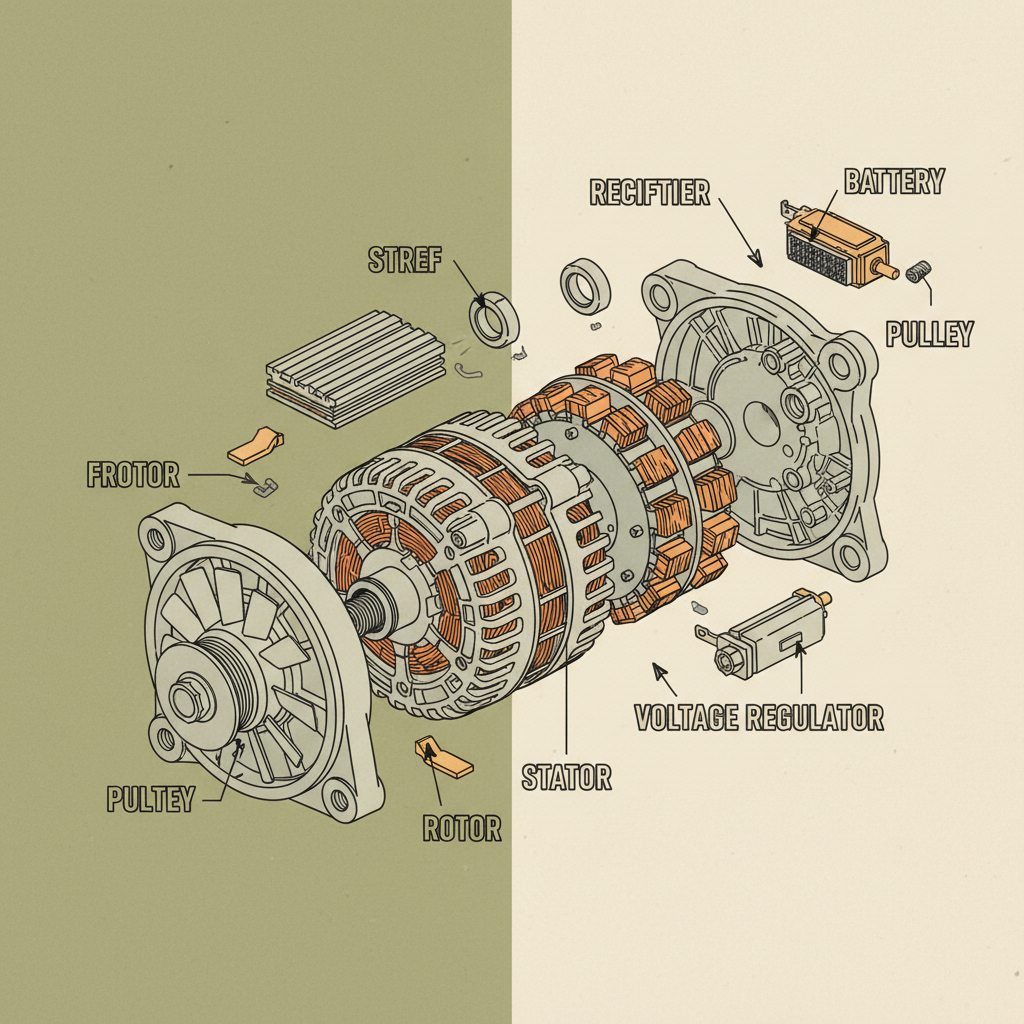
Several key components work together to achieve the alternator function in car engine. The rotor, typically containing electromagnets, spins within the stator, which houses the wire windings. This rotation creates a magnetic field, inducing an electrical current. The voltage regulator controls the amount of electricity generated, preventing overcharging of the battery.
The diodes, forming a rectifier, convert the alternating current (AC) generated by the stator into direct current (DC) which is then used to charge the battery and power the car’s electrical systems. Brushes and slip rings provide the electrical connection to the rotating rotor, while the housing protects the internal components.
Each of these components is critical. A failure in any one part can lead to a complete loss of charging functionality. Regular maintenance and inspection are crucial for ensuring that each component operates optimally, contributing to a reliable alternator function in car engine.
Performance Factors Affecting Alternator Output
Several factors influence the efficiency of the alternator function in car engine. Engine speed directly impacts the alternator’s output; higher engine speeds typically result in increased voltage and current generation. The load placed on the electrical system also plays a vital role – more electrical devices running simultaneously require the alternator to work harder.
Ambient temperature and the alternator's internal cooling system are significant factors. Overheating can reduce efficiency and even cause damage. The condition of the drive belt, connecting the engine to the alternator, is also crucial. A worn or loose belt will slip, reducing the alternator’s rotational speed and its ability to generate power.
Alternator Output Based on Operating Conditions
Global Applications of Automotive Alternators
The need for a robust alternator function in car engine is universal, impacting vehicle operation across all regions. In North America and Europe, alternators support increasingly sophisticated vehicle electronics and hybrid systems. In developing nations, a reliable alternator ensures basic vehicle functionality and the ability to access essential services.
Automotive manufacturers worldwide rely on alternator suppliers to meet stringent quality and performance standards. The aftermarket for alternators is also significant, with repair shops and auto parts retailers providing replacement alternators to a vast customer base. In remote industrial zones, reliable alternators keep essential work vehicles operational.
Advantages and Long-Term Value
The primary advantage of a well-maintained alternator is consistent and reliable power supply. This translates to fewer breakdowns, increased vehicle lifespan, and improved safety. A functioning alternator also eliminates the risk of being stranded with a dead battery, providing peace of mind.
From a sustainability standpoint, a durable alternator reduces the need for frequent replacements, minimizing waste and conserving resources. The long-term value lies in the overall reliability and efficiency it brings to the vehicle, ensuring its continued operation and minimizing potential costs associated with repairs and downtime.
Future Trends in Alternator Technology
The future of alternator technology is closely linked to the development of electric and hybrid vehicles. While some electric vehicles eliminate the traditional alternator, many hybrid systems still require them to power auxiliary components and recharge the battery. Expect to see increased integration of smart technologies, such as predictive maintenance algorithms and advanced voltage regulation systems.
Furthermore, research is focusing on developing more efficient and lightweight alternator designs, using advanced materials and manufacturing techniques. The adoption of silicon carbide and gallium nitride semiconductors promises to significantly improve alternator efficiency and reduce heat generation, contributing to a more sustainable automotive future.
Digital transformation will also play a significant role, with remote diagnostics and data-driven insights enabling proactive maintenance and optimized performance. This aligns with the broader trend towards connected cars and intelligent transportation systems.
Challenges and Potential Solutions
One common challenge is the limited lifespan of brushes in traditional alternators. Brush wear leads to reduced performance and eventual failure. Potential solutions include the development of brushless alternator designs, utilizing alternative materials, or implementing more robust brush lubrication systems.
Another issue is heat dissipation, particularly in high-performance vehicles. Advanced cooling systems, optimized alternator housing designs, and the use of thermally conductive materials can help mitigate this problem. Furthermore, optimizing the alternator's control algorithms to reduce energy loss can improve overall efficiency.
The complexity of modern vehicle electrical systems presents a diagnostic challenge. Utilizing advanced diagnostic tools and providing technicians with comprehensive training are essential for accurately identifying and resolving alternator-related issues.
Summary of Alternator Diagnostic Parameters
| Parameter |
Normal Range |
Potential Issue |
Corrective Action |
| Voltage Output |
13.5-14.5V |
Low or High |
Check voltage regulator, wiring, and alternator. |
| Current Output |
30-60A (vehicle dependent) |
Low or High |
Inspect for shorts, excessive loads, and alternator condition. |
| Ripple Voltage |
Less than 0.5V |
High |
Check diodes for failure. |
| Drive Belt Condition |
Tight, no cracks |
Loose, cracked, or worn |
Replace drive belt and check pulley alignment. |
| Brush Wear (if applicable) |
Sufficient length |
Worn below minimum length |
Replace brushes. |
| Alternator Temperature |
Below 80°C |
Overheating |
Check cooling fan, airflow, and internal alternator components. |
FAQS
Several symptoms can indicate a failing alternator. These include dim headlights, a warning light on the dashboard (often shaped like a battery), difficulty starting the engine, electrical system malfunctions (like power windows moving slowly), and a whining or growling noise coming from the engine compartment. Ignoring these signs can lead to a complete breakdown, so prompt diagnosis is crucial. Regularly check your alternator’s function to avoid these issues.
It’s generally recommended to have your alternator inspected at least once a year, or every 12,000 miles. This check should include a voltage test to ensure the alternator is producing sufficient power. If you notice any of the symptoms mentioned above, have it inspected immediately. Preventative maintenance can significantly extend the life of your alternator and avoid costly repairs.
Yes, a failing alternator can absolutely damage your battery. If the alternator isn't properly charging the battery, the battery will gradually discharge. Conversely, a faulty alternator can overcharge the battery, causing it to overheat and potentially fail. It's a two-way street, and diagnosing the root cause is essential. Ensuring correct alternator function in car engine is vital for battery health.
The typical lifespan of a car alternator is between 7 and 10 years, or around 80,000 to 150,000 miles. However, this can vary depending on driving conditions, vehicle type, and the quality of the alternator. Factors like extreme temperatures, heavy electrical loads, and rough roads can shorten its lifespan.
Replacing an alternator is a moderately complex repair that can be done by a DIY mechanic with the proper tools and knowledge. However, it involves working with electrical systems, so caution is essential. If you're not comfortable with automotive repairs, it's best to have it done by a qualified technician. Incorrect installation can damage the alternator or other vehicle systems.
The voltage regulator is a critical component that controls the amount of voltage produced by the alternator. It prevents the alternator from overcharging the battery, which can damage it. It also ensures a stable voltage supply to all of the vehicle's electrical systems. Without a functioning voltage regulator, the alternator's output would be erratic and potentially harmful.
Conclusion
In conclusion, the alternator function in car engine is a vital system underpinning the reliable operation of modern vehicles. Understanding its components, performance factors, and future trends is essential for anyone involved in automotive maintenance, engineering, or ownership. A properly functioning alternator ensures consistent power, enhances vehicle longevity, and contributes to overall safety.
Looking ahead, innovations in alternator technology will continue to focus on efficiency, durability, and integration with emerging automotive technologies. By embracing these advancements and prioritizing preventative maintenance, we can ensure that the alternator remains a reliable and efficient power source for years to come. For more information or to explore our range of alternators, visit our website: www.jltalternator.com.