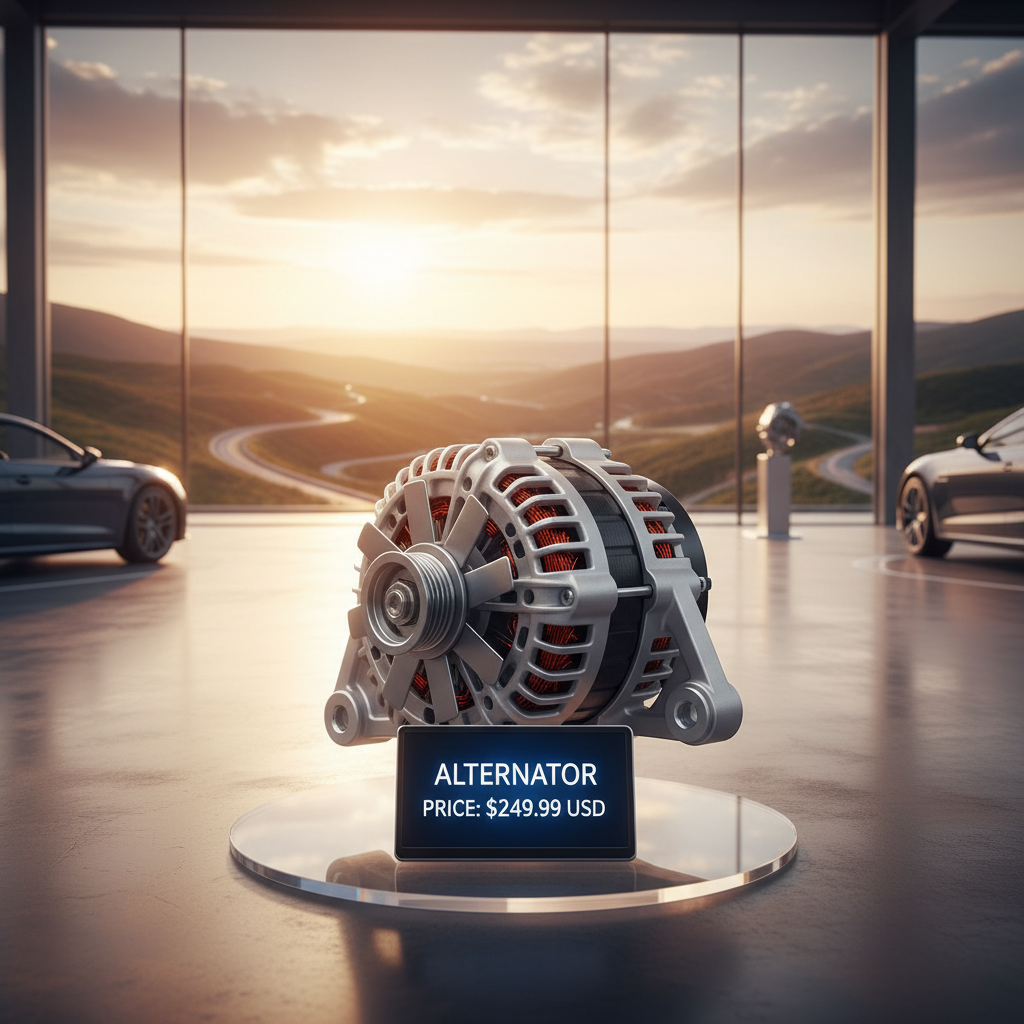
The alternator price car market is a critical component of the automotive industry, impacting vehicle maintenance costs and overall reliability. Understanding the factors influencing alternator prices – from manufacturing materials to brand reputation and regional demand – is crucial for both consumers and automotive professionals. Fluctuations in alternator price car can significantly affect repair bills, making informed purchasing decisions essential.
Globally, the demand for alternators is directly linked to the number of vehicles on the road and the average vehicle lifespan. Emerging economies with rapidly growing vehicle ownership contribute substantially to this demand. Furthermore, advancements in vehicle technology, such as start-stop systems and increased electrical load from modern infotainment systems, necessitate more robust and efficient alternators, influencing the alternator price car.
The significance of understanding alternator price car extends beyond simple cost comparison. It encompasses an awareness of quality, warranty options, and the potential long-term consequences of choosing a lower-priced, potentially unreliable, alternative. Ultimately, informed decisions regarding alternator replacement contribute to vehicle safety and reduced environmental impact.
Understanding Alternator Price Car
The alternator price car isn't a fixed figure; it's a dynamic value influenced by a complex interplay of factors. These range from the cost of raw materials like copper and steel to the manufacturing process, brand reputation, and even geographic location. Understanding these influences empowers consumers to make informed decisions.
A significant portion of the alternator price car is attributed to the quality of components used in its construction. Higher-grade materials and precision engineering contribute to greater durability and performance, justifying a higher price point. Conversely, lower-cost alternators may utilize less expensive materials, potentially compromising reliability.
Global Market Dynamics of alternator price car
The global alternator market is heavily influenced by automotive production rates. Regions with strong automotive manufacturing industries, such as China, Germany, and the United States, exhibit higher demand for alternators. Economic conditions in these regions also play a vital role, as consumer spending on vehicle maintenance fluctuates with economic trends impacting alternator price car.
Supply chain disruptions, such as those experienced during recent global events, can dramatically impact the alternator price car. Shortages of key components, increased shipping costs, and logistical challenges all contribute to price increases. Monitoring these global factors is essential for understanding market fluctuations.
Furthermore, the shift towards electric vehicles (EVs) is gradually reshaping the alternator market. While EVs do not rely on traditional alternators, the demand for auxiliary power supplies and DC-DC converters is increasing, creating new opportunities within the automotive electrical systems sector and potentially impacting the future of alternator price car for hybrid models.
Defining Alternator Price Car
Alternator price car refers to the monetary cost associated with purchasing a replacement alternator for a vehicle. This price encompasses the cost of the alternator itself, as well as any associated fees such as shipping, taxes, and potential installation charges. The price can vary dramatically based on vehicle make and model, alternator specifications, and the vendor selling the part.
In the context of modern automotive repair, alternator price car is increasingly becoming a significant consideration for vehicle owners. The complexity of modern vehicles often necessitates professional installation, adding to the overall cost. Understanding the factors influencing price helps consumers budget effectively and choose the most appropriate replacement option.
The definition of alternator price car also extends to considering both new and remanufactured alternators. Remanufactured alternators, which are rebuilt from used components, typically offer a lower price point but may come with shorter warranties or varying levels of performance compared to brand-new units.
Core Components Affecting alternator price car
Several key components significantly impact the alternator price car. The stator, rotor, voltage regulator, and rectifier are all critical to the alternator's function, and the quality of these components directly influences the overall cost. Higher-quality materials and precise manufacturing processes drive up the price.
The type of bearing used within the alternator also contributes to the price. Premium bearings offer reduced friction, improved durability, and quieter operation, but they come at a higher cost. Similarly, the housing material – typically aluminum or cast iron – impacts both weight and durability, influencing the alternator price car.
Alternator Price Car Breakdown by Component
Applications of alternator price car Worldwide
The alternator price car is relevant across a broad spectrum of automotive applications globally. From passenger vehicles to heavy-duty trucks, agricultural machinery, and construction equipment, alternators are essential for providing electrical power. Demand varies by region, with higher demand in areas with extensive vehicle use.
In North America, the robust trucking industry drives a significant demand for heavy-duty alternators, impacting the overall alternator price car for commercial vehicles. In Europe, the emphasis on fuel efficiency and reduced emissions is leading to the development of more advanced and efficient alternators, often commanding a higher price.
Advantages of Quality Alternators & Long-Term Value
Investing in a high-quality alternator, while potentially more expensive upfront, offers significant long-term value. A durable alternator reduces the risk of unexpected breakdowns, minimizing repair costs and downtime. This is particularly crucial for commercial vehicles where lost operating time translates directly to lost revenue.
Furthermore, a reliable alternator contributes to improved vehicle performance and fuel efficiency. A consistently stable voltage supply ensures optimal operation of all electrical components, including the engine control unit, enhancing overall vehicle reliability and potentially reducing fuel consumption. This improved efficiency directly affects the total cost of ownership, making a higher alternator price car a worthwhile investment.
Choosing a reputable brand with a strong warranty provides peace of mind and safeguards against potential defects. A comprehensive warranty demonstrates the manufacturer's confidence in their product and offers protection against unforeseen issues.
Future Trends & Innovations in alternator price car
The future of alternator technology is being shaped by the growing demand for increased electrical power in vehicles. Modern vehicles are equipped with an increasing number of electronic devices, from infotainment systems to advanced driver-assistance systems (ADAS), which place a greater strain on the electrical system.
Innovations in alternator design, such as the development of more efficient voltage regulators and improved cooling systems, are aimed at meeting this increased demand. The integration of smart charging technologies, which optimize the charging process based on driving conditions and battery state, is also gaining traction, potentially impacting alternator price car through increased complexity.
Furthermore, research into alternative materials, such as rare-earth magnets, is underway to improve alternator efficiency and reduce weight. These advancements promise to deliver more powerful and reliable alternators at a potentially lower cost in the long run.
Factors Influencing Alternator Performance and Longevity
| Operating Temperature |
Electrical Load |
Maintenance Schedule |
Component Quality |
| High temperatures reduce alternator lifespan. |
Excessive electrical load strains the alternator. |
Regular inspection extends alternator life. |
Premium components enhance durability. |
| Optimal range: 20°C - 80°C |
Avoid prolonged maximum load operation. |
Check belts and connections annually. |
Rating: 7/10 for long-term reliability. |
| Impact: Reduces lifespan by up to 20%. |
Impact: Can cause premature failure. |
Frequency: Every 30,000 miles. |
Materials: Copper windings, high-grade steel. |
| Mitigation: Ensure adequate cooling. |
Mitigation: Upgrade electrical system if needed. |
Tasks: Visual inspection, voltage check. |
Cost increase: 15-25% compared to standard. |
| Cooling System effectiveness is 8/10 |
Load Management Techniques are 9/10 |
Preventative maintenance improves longevity by 30% |
Durability factor is 8/10 |
| Temperature Control importance: Very high |
Electrical System Capacity impact: Significant |
Maintenance Schedule Adherence benefits: Substantial |
Component Quality Correlation with price: Strong |
FAQS
Several factors influence the alternator price car, including the vehicle's make and model, the alternator's amperage rating, brand reputation, and whether you choose a new or remanufactured unit. The quality of components used within the alternator also plays a significant role, with premium materials generally leading to a higher price point.
Remanufactured alternators can be a cost-effective alternative to new units, often offering substantial savings. However, they typically come with shorter warranties and may have a slightly lower lifespan compared to new alternators. It's crucial to purchase from a reputable supplier who thoroughly tests and rebuilds their remanufactured units to ensure quality and reliability.
The alternator price car varies significantly based on vehicle type. Heavy-duty vehicles, such as trucks and SUVs, generally require more powerful alternators and therefore have a higher price tag compared to alternators for compact cars. Luxury vehicles often feature advanced alternator technologies, also contributing to a higher cost.
The average lifespan of an alternator is typically between 80,000 and 150,000 miles. However, this can vary depending on driving conditions, maintenance practices, and the quality of the alternator itself. Factors such as frequent stop-and-go driving, extreme temperatures, and a heavy electrical load can shorten the lifespan.
Common warning signs of a failing alternator include dimming headlights, a flickering dashboard, difficulty starting the vehicle, unusual noises from the engine, and a warning light on the dashboard indicating a charging system issue. Ignoring these signs can lead to a complete alternator failure and potentially strand you on the road.
Generally, the alternator price car does not include installation costs. Installation typically requires professional mechanical expertise and is billed separately. The cost of installation can vary depending on the vehicle's make and model and the labor rates of the mechanic or auto repair shop. It is wise to request a quote for installation when budgeting for alternator replacement.
Conclusion
Understanding the complexities of alternator price car is crucial for vehicle owners and automotive professionals alike. The cost isn’t solely about the initial purchase; it’s about considering component quality, long-term reliability, and the potential impact on overall vehicle performance. From global market dynamics to individual component costs, numerous factors contribute to the final price.
Looking ahead, continued innovation in alternator technology will likely lead to more efficient, durable, and cost-effective solutions. Staying informed about these advancements and prioritizing quality components will ensure optimal vehicle operation and minimize the total cost of ownership. For more information and to explore our selection, visit our website: alternator price car.