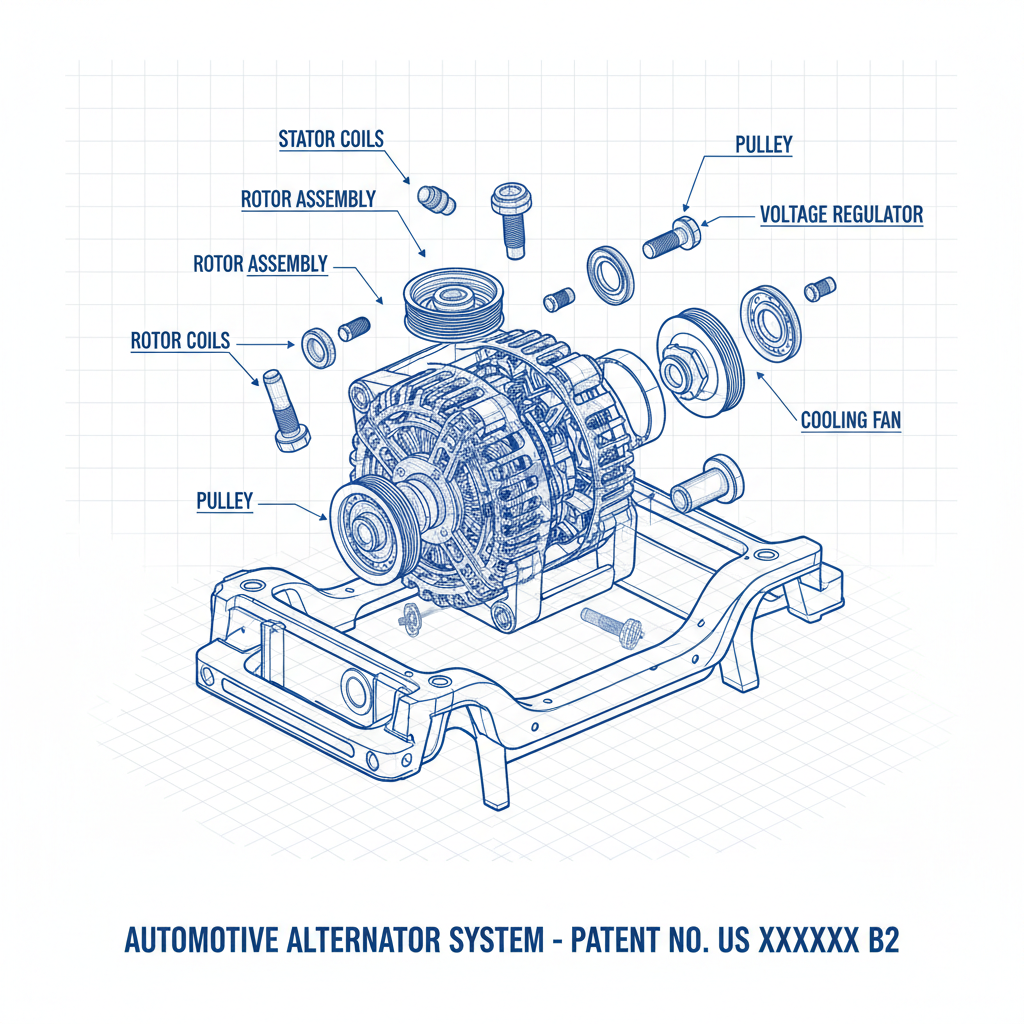
Understanding the alternator on car cost is crucial for vehicle owners and automotive professionals alike. A faulty alternator can leave you stranded, and knowing the potential expenses involved – from parts to labor – can help with budgeting and informed repair decisions. The cost isn’t just about the initial replacement; it encompasses potential ripple effects like battery damage and the inconvenience of being without transportation.
The global automotive industry is a multi-trillion dollar market, and a significant portion of maintenance expenditure is allocated to components like alternators. With increasing vehicle complexity and the rise of electric systems, the demand for reliable and efficient alternators remains high. The cost to replace an alternator varies widely depending on vehicle make and model, location, and the type of alternator required.
Ultimately, being aware of the alternator on car cost empowers drivers to make smarter choices about vehicle maintenance and repair. It facilitates proactive measures, like recognizing warning signs of alternator failure, and allows for efficient comparison shopping when a replacement becomes necessary.
The Significance of Alternator Cost
Understanding the alternator on car cost is more than just knowing the price tag. It's about recognizing the impact on your overall vehicle maintenance budget. A seemingly small component like the alternator plays a vital role in ensuring your car runs smoothly, and its failure can trigger a cascade of issues. Ignoring early warning signs can lead to more expensive repairs down the line.
The cost of an alternator replacement also reflects the technology involved. Modern vehicles often require more sophisticated alternators to support their complex electrical systems, including navigation, entertainment, and safety features. These advanced components naturally come with a higher price point.
Defining Alternator Replacement Cost
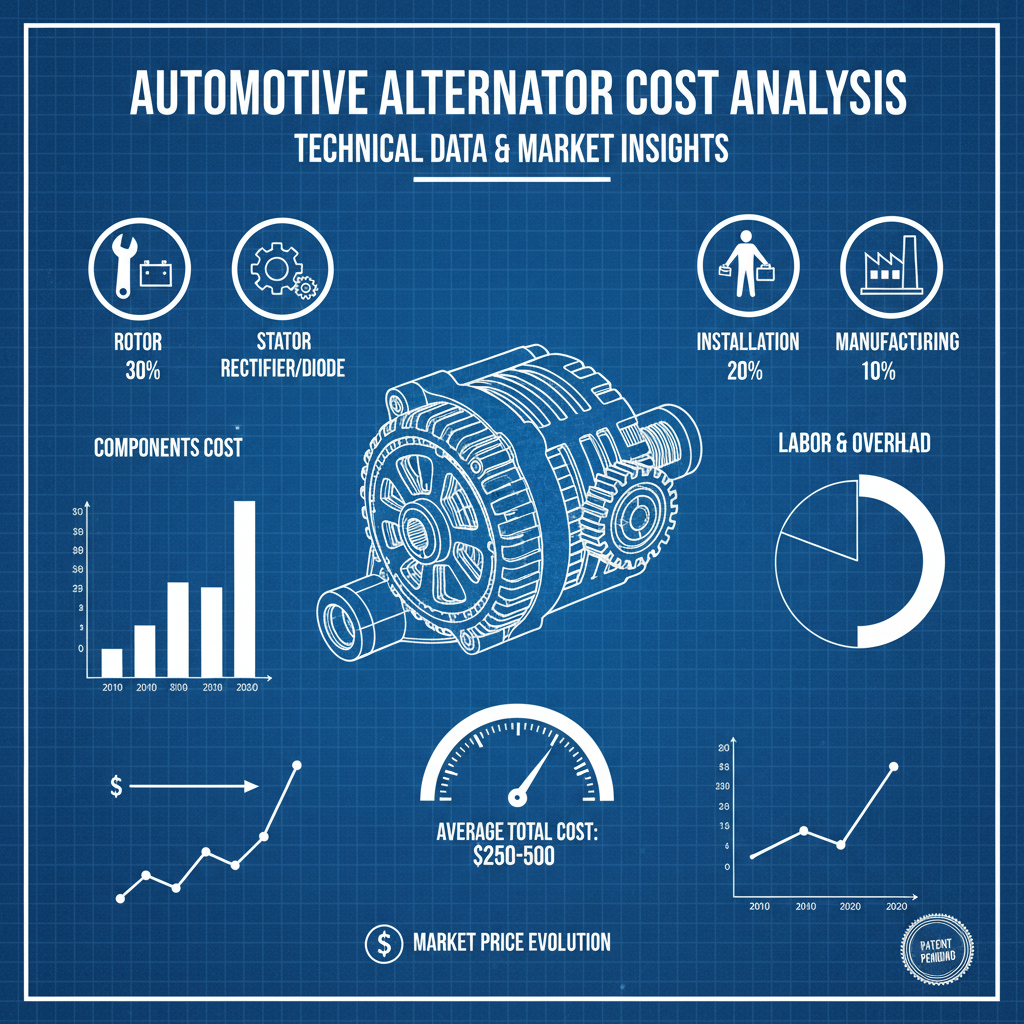
The alternator on car cost generally includes the price of the alternator itself and the labor charges for installation. The parts cost can range from around $150 for a basic alternator for an older vehicle to upwards of $800 or more for a high-output alternator designed for modern cars with extensive electrical demands. Labor costs usually fall between $100 and $300, depending on the mechanic's hourly rate and the complexity of the job.
It's important to note that these figures are estimates. Some vehicles may require additional parts, such as a new belt or pulley, which will add to the overall cost. Diagnostic fees may also apply if the mechanic needs to determine if the alternator is indeed the source of the problem.
Furthermore, choosing between a new, remanufactured, or used alternator will heavily influence the price. A new alternator offers the longest lifespan and often comes with a warranty, but it's the most expensive option. Remanufactured alternators are rebuilt units that offer a balance between cost and reliability, while used alternators are the cheapest but carry the highest risk of failure.
Factors Influencing Alternator on Car Cost
Several key factors contribute to the alternator on car cost. The vehicle's make and model are primary determinants; luxury vehicles and those with advanced electrical systems typically require more expensive alternators. The type of alternator needed – standard, high-output, or internally regulated – also plays a role.
Labor rates vary significantly depending on location and the mechanic's experience. Dealerships generally charge higher labor rates than independent repair shops. The extent of the damage – if other components have been affected by the alternator failure – can also increase the overall cost.
The availability of parts can influence the price. If the alternator is for a rare or discontinued vehicle, finding a replacement may be challenging and expensive. Choosing between an OEM (Original Equipment Manufacturer) part and an aftermarket alternative will also affect the cost, with OEM parts generally being pricier.
Cost Breakdown: Parts vs. Labor
The alternator on car cost typically sees a 60/40 split between parts and labor. The alternator unit itself represents the largest expense, ranging from $150 to $800+ depending on the vehicle and alternator specifications. High-output alternators designed for vehicles with demanding electrical systems, or those requiring specialized materials, will naturally be at the higher end of this range.
Labor costs, while a smaller percentage of the overall cost, can still be significant. Mechanics typically charge an hourly rate, and the time required to replace an alternator can vary from 1 to 3 hours depending on the vehicle’s accessibility and the complexity of the job. Diagnostic time to confirm the alternator as the issue may also be billed separately.
Alternator Replacement Cost Breakdown
Regional Variations in Alternator Cost
The alternator on car cost can fluctuate significantly based on geographic location. Areas with a higher cost of living generally have more expensive labor rates and potentially higher parts costs. Major metropolitan areas often charge more than rural areas.
Furthermore, access to qualified mechanics can influence pricing. Areas with a shortage of skilled technicians may command higher labor rates. Availability of parts also plays a role; locations far from major distribution centers may experience higher shipping costs and limited inventory, driving up the overall expense.
Long-Term Value & Avoiding Future Costs
Investing in a quality alternator and proper installation can save you money in the long run. A durable alternator is less likely to fail prematurely, reducing the frequency of replacements. Choosing a reputable mechanic ensures the job is done correctly, minimizing the risk of further damage.
Preventive maintenance, such as regular battery checks and belt inspections, can also extend the alternator's lifespan. Addressing minor issues promptly can prevent them from escalating into major problems requiring costly repairs. Proactive maintenance is almost always cheaper than reactive repairs.
Considering a warranty when purchasing an alternator provides peace of mind and protection against unexpected failures. A comprehensive warranty can cover both parts and labor costs, potentially saving you significant money if the alternator malfunctions within the warranty period.
Potential Complications & Associated Costs
Sometimes, alternator on car cost doesn’t end with just the part and labor. A failing alternator can sometimes damage the battery, requiring a replacement. Corrosion on electrical connections can also necessitate cleaning or repair, adding to the overall expense.
If the alternator failure caused other electrical components to malfunction – such as the radio, power windows, or lighting system – these will need to be diagnosed and repaired separately, increasing the total cost. A thorough inspection is crucial to identify any collateral damage.
In some cases, the pulley or belt associated with the alternator may also need replacing, especially if they show signs of wear or damage. These additional components can add another $50-$200 to the total repair bill.
A Summary of Potential Complications and Their Impact on Total Cost
| Complication |
Likelihood of Occurrence |
Estimated Additional Cost |
Severity of Impact on Total Cost |
| Battery Damage |
Medium |
$100 - $300 |
Moderate |
| Corroded Connections |
Low to Medium |
$50 - $150 |
Low |
| Failed Electrical Components |
Low |
$50 - $500+ |
High |
| Worn/Broken Pulley |
Medium |
$50 - $100 |
Low |
| Damaged Wiring Harness |
Low |
$100 - $400+ |
Moderate to High |
| Faulty Voltage Regulator |
Medium |
$75 - $200 |
Low to Moderate |
FAQS
Several indicators can suggest an alternator is failing. These include dimming headlights, a warning light on the dashboard (often shaped like a battery), difficulty starting the car, unusual noises like whining or grinding, and electrical accessories malfunctioning. Recognizing these early signs can help you address the issue before it leads to a complete breakdown, potentially saving on repair costs.
Driving with a failing alternator is generally not recommended. While your car might initially run on battery power, the battery will eventually drain, leaving you stranded. Furthermore, a failing alternator can cause erratic electrical behavior, potentially affecting safety systems like power steering and brakes. It's best to have the alternator inspected and repaired as soon as possible.
A new alternator is the most expensive option, typically costing between $300 and $800+, but it offers the longest lifespan and often comes with a comprehensive warranty. A remanufactured alternator is a rebuilt unit that offers a cost-effective alternative, usually priced between $150 and $400. Remanufactured units have been tested and restored to working condition but may have a shorter lifespan than new ones. Used alternators are the cheapest, but carry the highest risk of failure.
The time required to replace an alternator varies depending on the vehicle's make and model, as well as the mechanic's experience. Generally, the process takes between 1 and 3 hours. However, accessibility of the alternator and any complications encountered (such as corroded connections or a seized pulley) can increase the repair time. It’s best to ask your mechanic for an estimated timeframe upfront.
Yes, a faulty alternator can significantly impact your car’s battery. The alternator is responsible for charging the battery while the engine is running. If the alternator fails, the battery will be drained, eventually leading to a dead battery. Repeatedly jump-starting a car with a failing alternator can also damage the battery.
Finding a trustworthy mechanic is crucial. Look for shops with positive online reviews, ASE (Automotive Service Excellence) certifications, and a good reputation within your community. Ask for recommendations from friends and family. Always get a written estimate before authorizing any repairs, and don't hesitate to ask questions about the process and the parts being used.
Conclusion
Understanding the alternator on car cost is crucial for responsible vehicle ownership. From recognizing the early warning signs of failure to factoring in regional price variations and potential complications, informed decision-making can save you both money and inconvenience. Investing in quality parts, preventative maintenance, and a reliable mechanic are all key components in minimizing long-term costs and ensuring your vehicle's reliable operation.
Staying proactive about alternator health can prevent unexpected breakdowns and costly repairs. Consider incorporating regular alternator checks into your vehicle maintenance schedule. By being aware of the factors influencing the cost and prioritizing preventative care, you can safeguard against unforeseen expenses and enjoy a smoother, more reliable driving experience. Visit our website at JLT Alternator for more information and quality replacement options.