The modern automotive and industrial landscape relies heavily on consistent power generation, and the alternator 200 series stands as a pivotal component in ensuring electrical stability for heavy-duty machinery. From maintaining battery health to powering complex onboard electronics, these high-output units are designed to withstand the rigorous demands of commercial transport and construction environments.
Understanding the technical nuances of the alternator 200 is essential for fleet managers and engineers who prioritize uptime and operational efficiency. As vehicles transition toward more energy-intensive electronic control units (ECUs) and advanced safety sensors, the demand for reliable, high-amperage charging systems has never been more critical to prevent costly roadside breakdowns.
By integrating precision engineering with durable materials, the alternator 200 provides a seamless energy flow that supports everything from Cummins and Volvo engines to specialized construction machinery. This comprehensive guide explores the global relevance, technical specifications, and future innovations surrounding these essential power generation units.
Global Relevance of Alternator 200 in Heavy Industry
In the global logistics and construction sectors, the alternator 200 acts as the electrical heartbeat of the vehicle. With the rise of ISO standards regarding vehicle reliability, the need for consistent voltage output has become a benchmark for quality in automotive parts manufacturing. Whether it is a Volvo truck traversing European highways or a Caterpillar excavator in an African mine, the stability of the electrical system determines the overall productivity of the operation.
Failure of a charging system can lead to an average downtime of several hours per incident, which, when scaled across a fleet of hundreds of vehicles, results in millions of dollars in lost revenue. The alternator 200 addresses this challenge by providing a robust amperage output that ensures batteries remain charged even under extreme cold or heavy accessory loads, thereby reducing the frequency of emergency repairs and extending the lifespan of the entire electrical grid.
Technical Definition and Core Meaning of Alternator 200
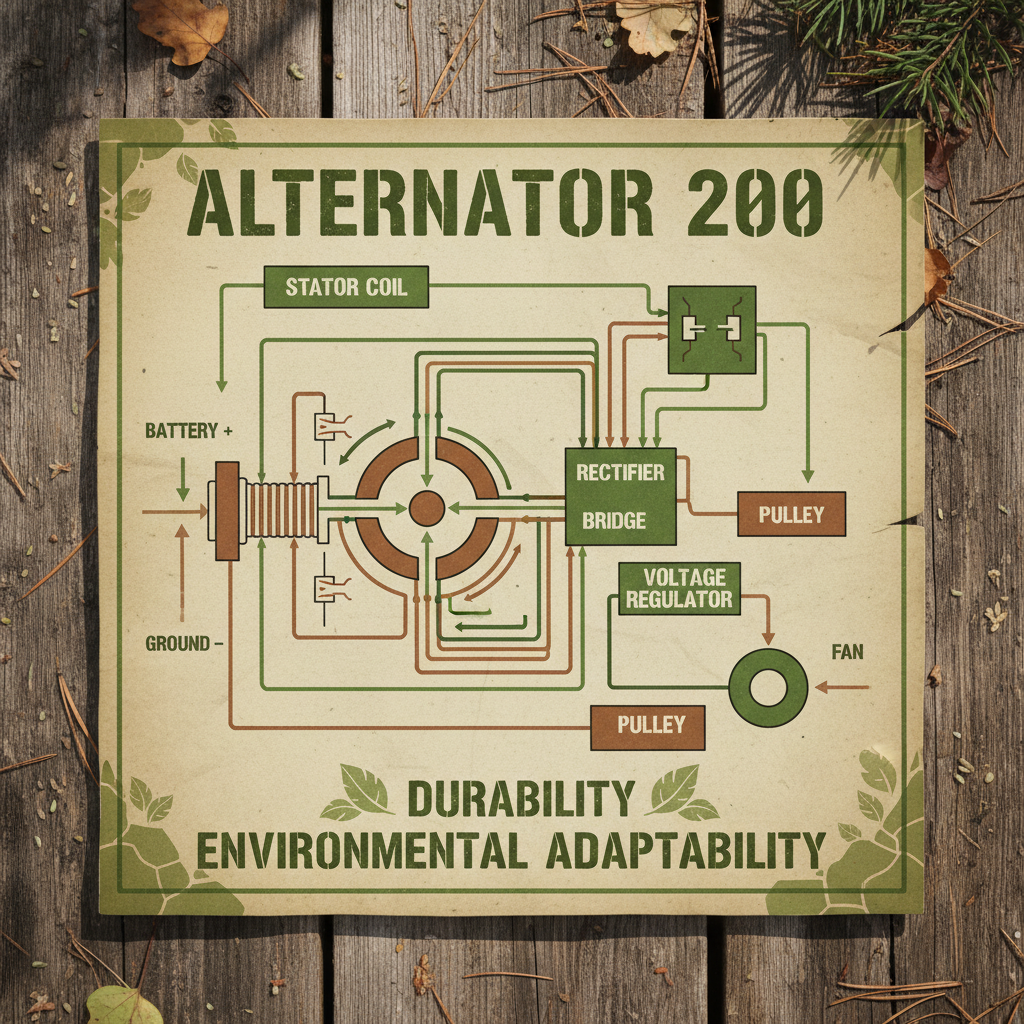
At its core, the alternator 200 is a high-capacity electrical generator designed to convert mechanical energy from an engine's crankshaft into alternating current, which is then rectified to direct current (DC) to power the vehicle's electronics and recharge the battery. The "200" typically denotes a high-amperage capacity, making it suitable for vehicles with extensive electrical requirements, such as those equipped with GPS tracking, advanced climate control, and heavy-duty lighting systems.
Beyond simple power generation, the alternator 200 represents a critical intersection of electromagnetism and mechanical engineering. It utilizes a rotor and stator configuration to induce a current, managed by a sophisticated voltage regulator that prevents overcharging. This precision is what separates a standard alternator from the heavy-duty 200 series, which is engineered for the brutal cycles of stop-and-go industrial work.
In the context of modern humanitarian and industrial needs, the reliability of an alternator 200 ensures that essential machinery—such as water pumps in remote villages or emergency response vehicles in disaster zones—remains operational. When a machine's power depends on a single point of failure, the robust design of the 200 series provides the necessary insurance against electrical collapse.
Key Components for Maximizing Alternator 200 Efficiency
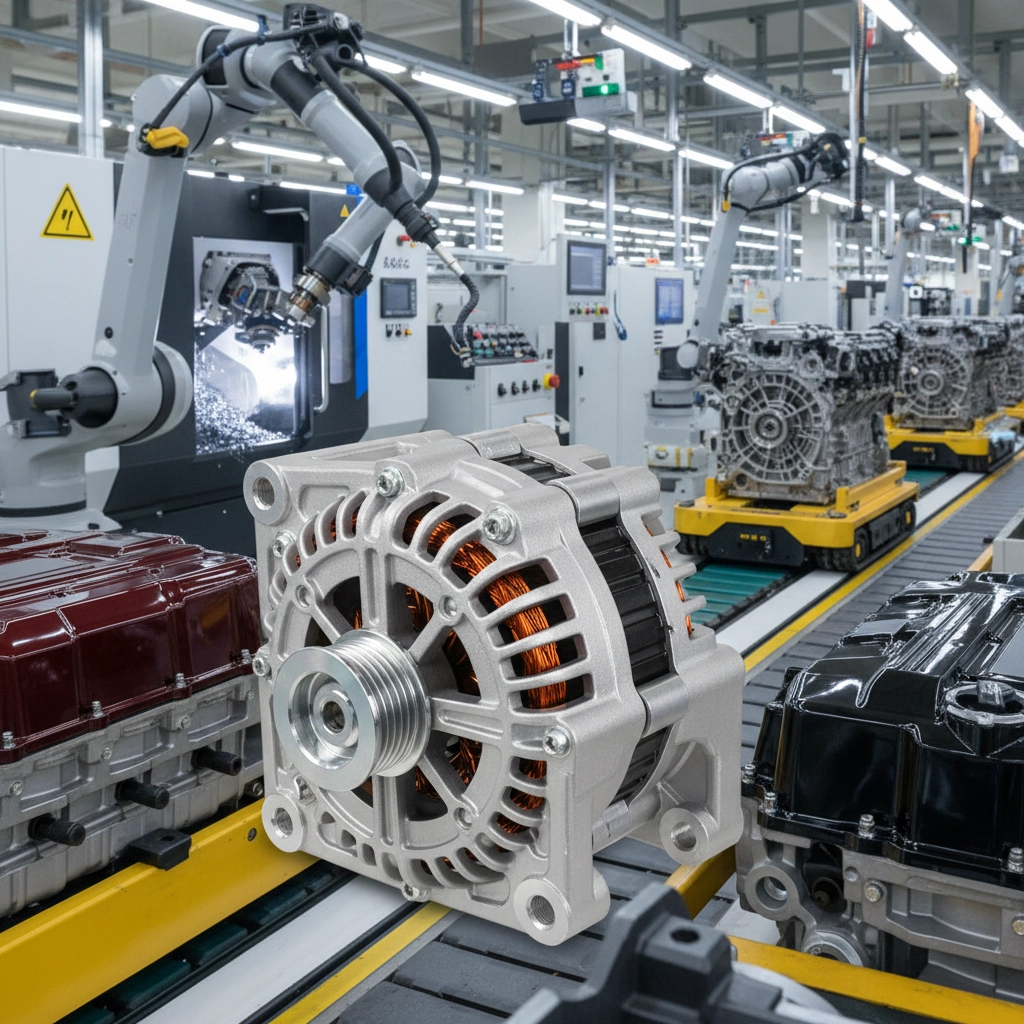
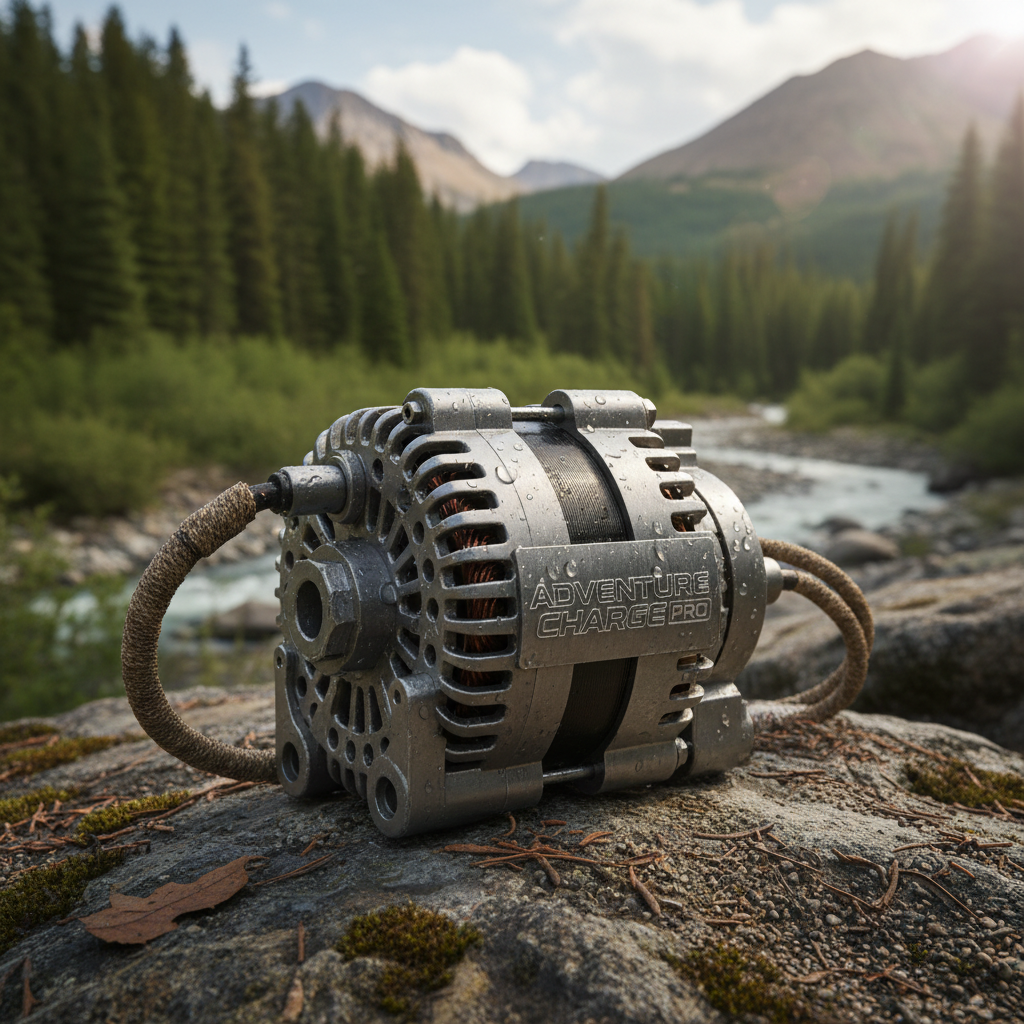
Durability is the primary pillar of the alternator 200 design. To achieve this, manufacturers employ high-grade copper windings and reinforced housings that protect the internal components from dust, moisture, and vibration. This ensures that the unit can operate at peak efficiency even in the harshest environments, from the humid tropics to the freezing tundra.
Scalability and compatibility are equally vital; the alternator 200 is often engineered to be interchangeable across various brands, including Daewoo, Nissan, and Perkins. This flexibility allows fleet operators to standardize their spare parts inventory, reducing the complexity of maintenance and ensuring that a single part type can service multiple machine models across the yard.
Cost-efficiency is realized not through the lowest initial price, but through the lowest total cost of ownership. By utilizing advanced voltage regulation and high-quality bearings, the alternator 200 minimizes energy waste and extends the interval between services. This logical approach to engineering ensures that the initial investment is offset by a significant reduction in long-term maintenance expenses.
Global Applications and Use Cases for Alternator 200
The application of the alternator 200 spans across various high-stakes industries globally. In the mining sectors of Australia and Brazil, these units power the massive electrical loads of haul trucks and drilling rigs. Without the high amperage provided by the 200 series, the sophisticated onboard monitoring systems required for safety and geological analysis would fail, halting production entirely.
In urban logistics hubs across Asia and North America, the alternator 200 is integrated into Heavy Truck Man and Howo models to support the demands of long-haul transportation. In these contexts, the alternator must provide constant power to refrigeration units (reefers) and driver comfort systems, ensuring that perishable goods are delivered safely while maintaining driver alertness and safety.
Performance Comparison of Alternator 200 Variants
Tangible Advantages and Long-Term Value of Alternator 200
The primary advantage of implementing an alternator 200 is the immediate increase in electrical reliability. By providing a stable voltage curve, it prevents "voltage sag" during high-load events, such as starting auxiliary pumps or engaging heavy-duty winches. This leads to a significant improvement in the lifespan of the battery, as the battery is less frequently subjected to deep discharge cycles.
From an emotional and logical perspective, the value of the alternator 200 lies in "peace of mind." For a driver in a remote area, the knowledge that their charging system is over-engineered for the task at hand provides a sense of safety and dignity. This reliability fosters trust between the equipment manufacturer and the end-user, ultimately driving brand loyalty and reducing the stress associated with unplanned equipment failure.
Future Trends and Innovations in Alternator 200 Design
The evolution of the alternator 200 is currently being driven by the global push toward "green energy" and digital transformation. We are seeing the integration of "smart" regulators that can communicate with the vehicle's central ECU via CAN-bus systems. This allows the alternator 200 to adjust its output in real-time based on the actual load, reducing the mechanical drag on the engine and improving overall fuel efficiency.
New materials are also entering the fray, with the use of rare-earth magnets and advanced carbon-brush composites that reduce friction and heat generation. These innovations allow the alternator 200 to maintain high output levels for longer periods without overheating, which is critical as vehicles move toward more autonomous features that require constant high-power computing.
Furthermore, the shift toward hybrid-electric powertrains is transforming the role of the alternator 200. Instead of merely maintaining a battery, future iterations are acting as bridge components in energy recovery systems, helping to stabilize the transition between mechanical propulsion and electrical assistance, thereby enhancing the sustainability of heavy-duty transport.
Common Challenges and Solutions for Alternator 200
Despite its robustness, the alternator 200 can face challenges, most notably heat dissipation in extreme climates. In high-ambient temperature environments, such as the Middle East, the copper windings can degrade if the airflow is insufficient. To solve this, engineers are implementing oversized cooling fans and heat-sink housing designs that maximize thermal exchange.
Another common issue is "belt slip," where the mechanical connection to the engine fails to transfer energy efficiently to the alternator 200. This is often caused by improper tensioning or wear. The industry is moving toward automatic tensioning systems and high-friction belt materials that ensure maximum torque transfer even under peak load conditions.
Finally, electrical noise or "ripple" can sometimes interfere with sensitive onboard electronics. The solution involves the integration of higher-quality diode bridges and smoothing capacitors within the alternator 200 assembly. These components filter the DC output, ensuring that the electricity powering the vehicle's computer is clean and stable.
Core Analysis of Alternator 200 Implementation Challenges
| Challenge Type |
Impact Level (1-10) |
Primary Cause |
Technical Solution |
| Thermal Overload |
8 |
Poor Ventilation |
Enhanced Cooling Fins |
| Voltage Instability |
6 |
Regulator Wear |
Digital Smart Regulators |
| Mechanical Wear |
7 |
Bearing Friction |
Ceramic Bearing Upgrades |
| Belt Slippage |
5 |
Tension Loss |
Auto-Tensioner Pulley |
| Carbon Brush Erosion |
4 |
High Duty Cycle |
Graphite-Composite Brushes |
| Corrosion |
6 |
Salt/Chemical Exposure |
Anodized Aluminum Case |
FAQS
The primary difference lies in the amperage capacity and the durability of the internal components. While a standard unit may suffice for basic lighting and ignition, the alternator 200 is designed for high-load environments, providing significantly more current to support auxiliary electronics and larger battery banks without overheating or dropping voltage.
Yes, in many cases, but it requires verifying the mounting brackets and the battery's charging capacity. Upgrading to an alternator 200 is often beneficial for vehicles with added accessories, provided the wiring can handle the increased current and the voltage regulator is compatible with the vehicle's electrical system.
For heavy-duty industrial use, we recommend a visual inspection of the belt and terminals every 6 months and a full electrical output test every 12 months. Checking for carbon brush wear and bearing noise can help you replace components proactively before a complete system failure occurs.
Absolutely. The alternator 200 series is specifically engineered to meet the rigorous specifications of heavy-duty engines including Cummins, Volvo, Scania, and Caterpillar. Many of these units are designed as direct-replacement parts that maintain OEM standards for fitment and performance.
The most common causes include a snapped or slipping drive belt, worn-out carbon brushes, or a failed voltage regulator. In extreme cases, an internal short circuit in the diode bridge can also stop the unit from delivering current to the battery.
Because it is a larger unit, it can create slightly more mechanical drag on the engine. However, modern alternator 200 designs utilize "smart" regulators that reduce output when the battery is full, effectively neutralizing any significant impact on fuel economy while providing superior power security.
Conclusion
In summary, the alternator 200 is far more than a simple replacement part; it is a strategic investment in the operational reliability of heavy-duty machinery. By addressing the critical need for high-amperage, stable power, the 200 series minimizes downtime, protects expensive battery systems, and supports the increasing electrical demands of modern automotive technology. From the precision of its copper windings to the intelligence of its voltage regulation, every aspect of its design is focused on ensuring that industrial fleets keep moving.
Looking ahead, the integration of smarter energy management and sustainable materials will only enhance the value of the alternator 200. For fleet operators and technicians, transitioning to high-capacity charging solutions is the most effective way to future-proof their equipment against the growing complexity of onboard electronics. To ensure your machinery operates at peak performance, we invite you to explore our full range of high-output charging solutions. Visit our website: www.jltalternator.com