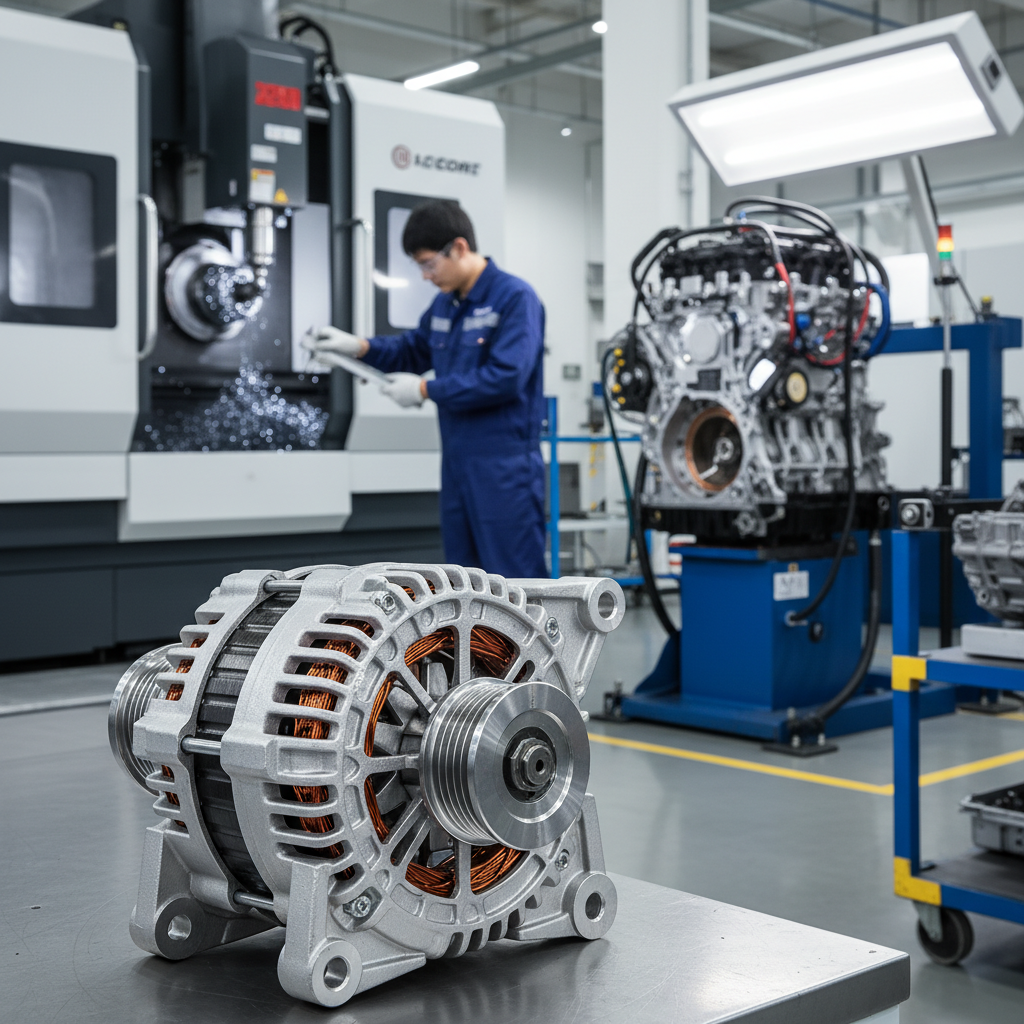
In the demanding landscape of heavy-duty machinery and automotive engineering, the stability of electrical power is non-negotiable. An alternator 220v system serves as the critical heartbeat for specialized equipment, bridging the gap between mechanical energy and high-voltage electrical requirements. Understanding the nuances of these components is essential for fleet managers and engineers who aim to minimize downtime and maximize operational efficiency across diverse industrial environments.
Across the globe, the shift toward more complex electronic control units (ECUs) and high-capacity auxiliary systems has placed immense pressure on traditional charging systems. The implementation of an alternator 220v solution allows for the integration of powerful tools and specialized lighting in construction and mining, where standard 12V or 24V systems simply cannot meet the energy demand. This transition is not merely a technical upgrade but a strategic necessity for maintaining productivity in remote or high-intensity zones.
By optimizing the conversion of kinetic energy into a steady 220V output, industries can reduce their reliance on external power grids and cumbersome battery banks. Whether integrated into a Volvo, Cummins, or Perkins engine, the right alternator 220v configuration ensures that critical safety systems and operational tools remain powered regardless of the terrain. This comprehensive guide explores the technical architecture, global applications, and future trends of these high-performance power generators.
Global Relevance of Alternator 220v in Modern Industry
The global demand for high-voltage on-board power has surged as infrastructure projects expand in emerging economies. According to ISO standards for industrial machinery, the need for stable, localized power sources has led to the widespread adoption of the alternator 220v. In regions where the power grid is unreliable or non-existent, such as deep-mine sites in Africa or remote construction zones in Central Asia, these alternators provide the essential energy needed to keep heavy-duty equipment operational.
The challenge lies in balancing the high output required for 220V electronics with the mechanical limits of the engine driving the alternator. Failure to implement a precise voltage regulation system can lead to catastrophic electrical failure or engine strain. Therefore, the global industry is moving toward smarter, more resilient alternator designs that can handle the erratic loads of construction machinery and heavy trucks without compromising the longevity of the engine.
Defining the Technical Meaning of Alternator 220v
At its core, an alternator 220v is an electrical generator that converts mechanical energy from an internal combustion engine into high-voltage alternating current. Unlike standard vehicle alternators that typically output 12V or 24V DC, these specialized units are designed to provide a higher voltage threshold, often utilizing an integrated inverter or a specific winding configuration to achieve 220V outputs. This allows the machine to power standard industrial tools and electronics directly from the engine's rotation.
In the context of humanitarian needs and emergency response, this technology is transformative. For instance, during post-disaster relief operations, vehicles equipped with 220V charging systems can power medical equipment, communication hubs, and water filtration systems in areas where the local grid has collapsed. The ability to generate utility-grade power from a mobile platform makes the alternator 220v a cornerstone of mobile resilience.
From a manufacturing perspective, creating these units requires high-grade copper windings and advanced thermal management. Because generating 220V creates significantly more heat and electromagnetic stress than low-voltage systems, the engineering focus shifts toward superior insulation and heat dissipation. This ensures that whether the unit is installed in a Scania truck or a Caterpillar excavator, it maintains a consistent output under extreme thermal loads.
Core Components for High-Voltage Stability
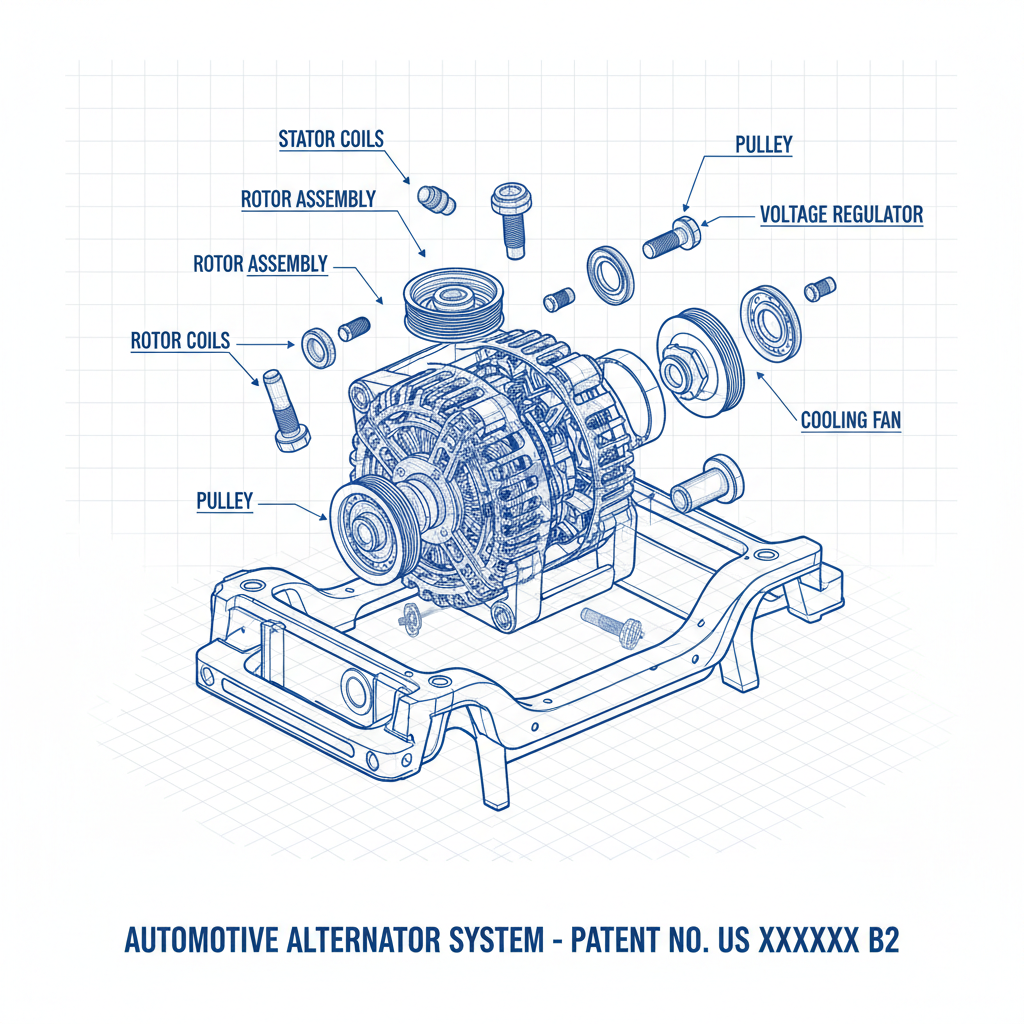
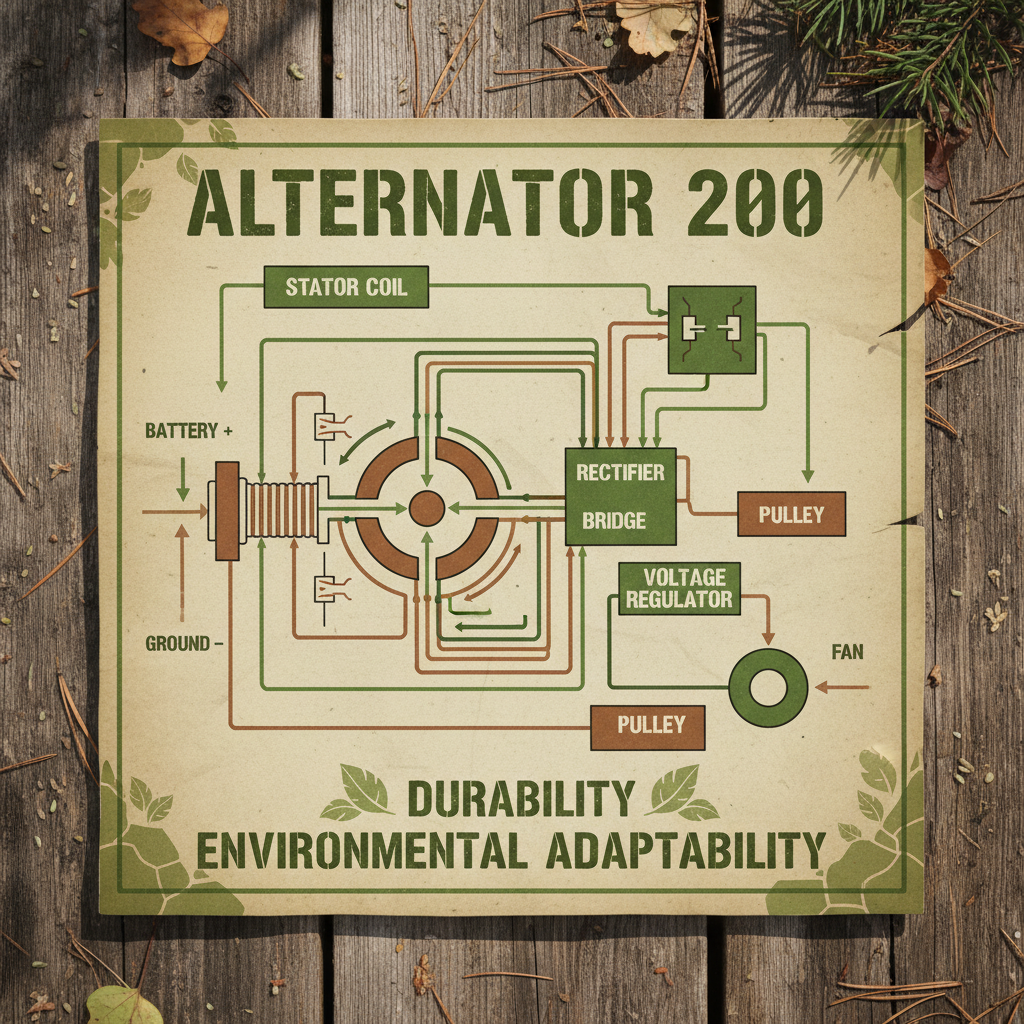
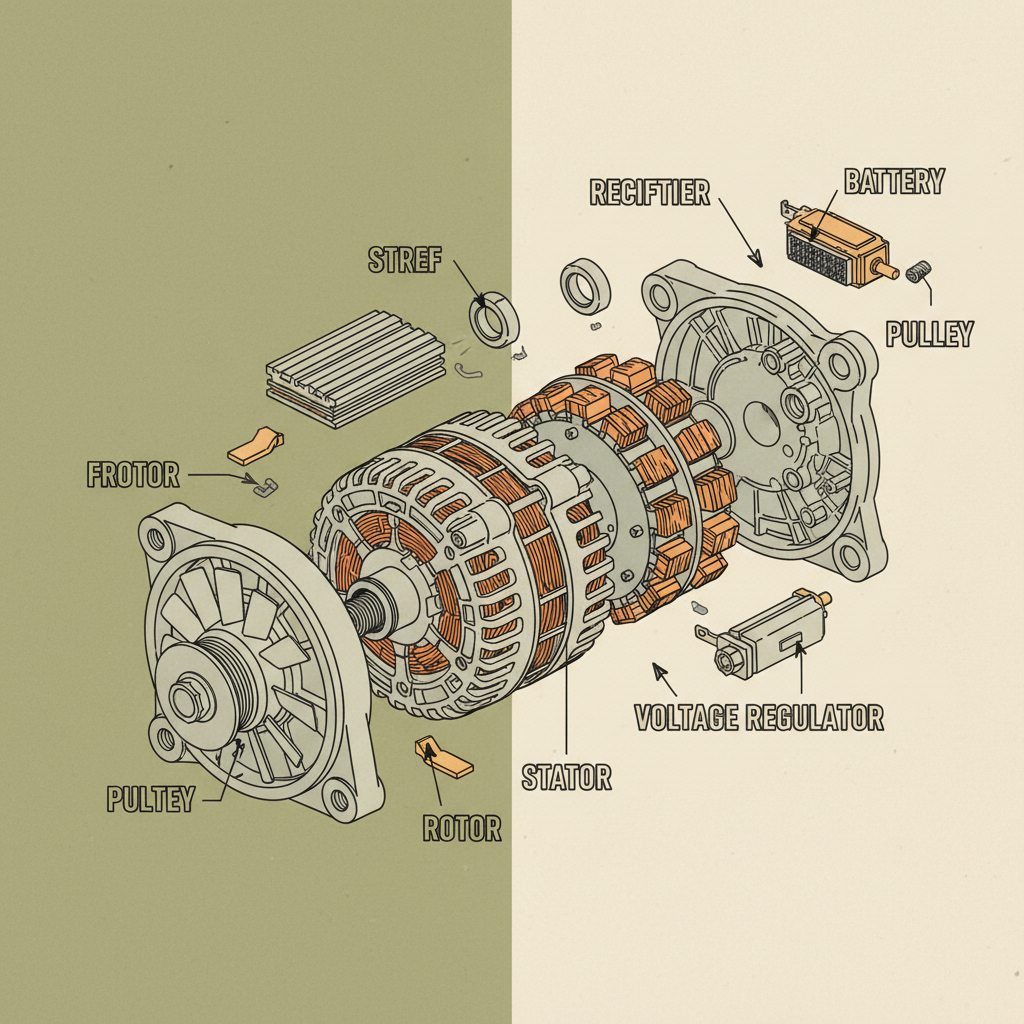
The durability of an alternator 220v depends heavily on the quality of its rotor and stator. The rotor must be balanced to perfection to prevent vibration at high RPMs, while the stator windings must use high-temperature resins to prevent short-circuiting. These materials ensure that the alternator can sustain high-voltage loads over thousands of operational hours without degradation.
Scalability is achieved through the use of modular voltage regulators. A high-performance alternator 220v system utilizes an Automatic Voltage Regulator (AVR) that monitors the output in real-time. This component is critical because it prevents voltage spikes that could fry sensitive electronics, ensuring that the output remains a steady 220V regardless of engine speed fluctuations.
Cost efficiency is realized not in the initial purchase, but in the reduction of auxiliary equipment. By integrating the alternator 220v directly into the engine belt system, operators eliminate the need for separate portable generators. This reduces total vehicle weight, lowers fuel consumption, and simplifies the maintenance schedule for the entire fleet.
Global Applications and Practical Use Cases
The practical application of an alternator 220v spans across multiple heavy industries. In the construction sector, heavy machinery from brands like Daewoo and Komatsu often requires high-voltage power for hydraulic control systems and onboard diagnostics. By utilizing 220V power, these machines can run high-capacity pumps and sensors that provide precision movements, which are essential for complex urban infrastructure projects.
In remote industrial zones, such as oil rigs or logging camps, the alternator 220v acts as a primary power source for temporary workstations. For example, a heavy truck equipped with a high-output alternator can serve as a mobile power station for engineers to run laptops, specialized testing equipment, and satellite uplinks, ensuring that data is transmitted from the field to the head office without delay.
Efficiency Performance of Alternator 220v Variants
Long-Term Value and Operational Advantages
The long-term value of investing in a premium alternator 220v extends beyond simple power delivery. From a financial perspective, the reduction in downtime is the most significant gain. When a vehicle can power its own diagnostic tools and auxiliary heaters without external cables, the "time-to-repair" is slashed, leading to higher fleet utilization rates and increased profitability.
Emotionally and logically, the reliability of high-voltage power translates to safety and trust. In hazardous environments, knowing that emergency lighting and communication arrays are powered by a robust alternator 220v gives operators peace of mind. This reliability fosters a culture of innovation, where companies feel confident deploying more advanced, power-hungry technology in the field, knowing the energy backbone is secure.
Future Trends in 220V Power Generation
The future of the alternator 220v is being shaped by the green energy transition. We are seeing the integration of hybrid systems where the alternator works in tandem with lithium-iron-phosphate (LiFePO4) battery banks. This creates a "buffer" system that allows the engine to run at its most efficient RPM while the alternator maintains a steady charge, reducing carbon emissions and fuel waste.
Digital transformation is also playing a pivotal role. Next-generation alternators are incorporating IoT sensors that transmit health data—such as winding temperature and brush wear—directly to a fleet manager's dashboard. This shift from reactive to predictive maintenance means that an alternator 220v can be replaced before it fails, eliminating unplanned outages in critical project timelines.
Furthermore, the development of Gallium Nitride (GaN) components in the rectification stage is allowing for smaller, lighter, and more efficient power conversion. As these materials become standard, the alternator 220v will offer even higher power densities, enabling smaller engines to provide the same high-voltage output previously reserved for massive industrial generators.
Overcoming Challenges in Alternator 220v Implementation
One of the primary challenges in implementing an alternator 220v is electromagnetic interference (EMI). High-voltage generation can create "noise" that interferes with sensitive radio and GPS equipment. Expert engineers solve this by using shielded cabling and advanced filtering capacitors, ensuring that the power output is "clean" and does not disrupt the vehicle's communication systems.
Another common limitation is the mechanical load on the engine. Drawing significant power from a 220V system can cause a noticeable drop in engine RPM, especially in smaller diesel engines. The solution lies in the use of smart-load controllers that stagger the activation of high-power devices, preventing sudden surges that could stall the engine or cause belt slippage.
Finally, heat management remains a critical hurdle. Generating high voltage in a confined engine bay can lead to overheating. Innovative approaches now include liquid-cooling jackets for the alternator housing, which integrate with the engine's coolant system. This ensures that the alternator 220v can operate at peak capacity even in tropical climates or during prolonged heavy-load cycles.
Comparative Analysis of Alternator 220v Performance Metrics
| Alternator Model Type |
Voltage Stability (%) |
Thermal Efficiency |
Service Life (Hours) |
| Standard Industrial 220v |
94% |
Moderate |
8,000 |
| Heavy-Duty Mining 220v |
98% |
High |
15,000 |
| Construction Series 220v |
96% |
High |
12,000 |
| Mobile Emergency 220v |
97% |
Moderate |
10,000 |
| Hybrid-Integrated 220v |
99% |
Very High |
20,000 |
| Compact Fleet 220v |
92% |
Low |
6,000 |
FAQS
Not directly. A standard 12V alternator is physically and electrically incapable of generating 220V. To achieve this, you must replace the alternator with a specialized alternator 220v unit or install a high-efficiency DC-to-AC power inverter. For industrial reliability, a dedicated 220V alternator is recommended as it is engineered for the thermal and mechanical stresses of high-voltage output.
Maintenance in dusty areas focuses on air filtration and brush inspection. Ensure that the alternator's cooling vents are kept clear of debris to prevent overheating. We recommend a monthly check of the carbon brushes and using an air compressor to gently blow out dust from the housing. Using a sealed, heavy-duty alternator 220v with an IP-rated housing can further reduce maintenance needs.
Yes, there is a slight increase in fuel consumption because generating higher voltage requires more mechanical energy from the engine. However, this is usually offset by the efficiency gained from not having to run a separate portable generator. Modern alternator 220v units are designed with high-efficiency windings to minimize this "parasitic load" on the engine.
Yes, provided the system includes a high-quality Automatic Voltage Regulator (AVR). The AVR ensures that the alternator 220v maintains a stable output without voltage spikes. For extremely sensitive equipment, we recommend using a surge protector between the alternator outlet and your device to ensure absolute safety.
Common warning signs include flickering lights, a high-pitched whining sound from the alternator bearing, or a noticeable drop in the voltage readings on your dashboard. If you notice the engine struggling more than usual when 220V loads are active, it may indicate a failing diode or worn brushes within the alternator 220v.
Most heavy-duty diesel engines, including Cummins, Perkins, Volvo, and Caterpillar, can be fitted with an alternator 220v. The key is ensuring the pulley ratio and belt tension are correctly calibrated to the alternator's specific requirements. Our experts specialize in matching the alternator to the specific RPM profile of your engine brand.
Conclusion
The integration of an alternator 220v into heavy machinery represents a critical leap in operational autonomy and efficiency. By converting mechanical energy into high-voltage power, industries can eliminate the need for external grids and portable generators, thereby reducing downtime and increasing safety in the most challenging environments on earth. From the core components that ensure stability to the IoT-driven maintenance of the future, these systems are the silent engines of industrial progress.
As we move toward a more electrified and digital future, the role of high-performance power generation will only grow. Investing in quality, durable 220V charging solutions today ensures that your fleet remains competitive, sustainable, and resilient against the unpredictable nature of field operations. To explore our full range of high-voltage power solutions for Volvo, Cummins, and other leading brands, visit our website: www.jltalternator.com